
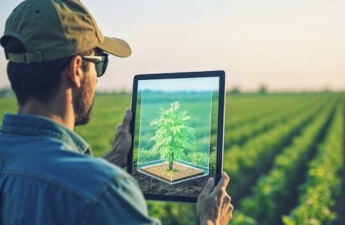
ITC Limited launched ITCMAARS (ITC Metamarket for Advanced Agriculture and Rural Services) in 2022 as a hybrid digital and physical (“phygital”) farming platform to modernize primary sector operations. By 2026, the ecosystem expanded to support nearly 2.5 million farmers and over 2,000 Farmer Producer Organisations (FPOs) across 11 Indian states. The platform integrates structural agronomy with advanced software architecture, including image analytics, predictive nudge engines, and generative artificial intelligence. The application of these digital tools has led to a 10-15 percent reduction in chemical fertilizer application, a 15-20 percent improvement in crop yields, and an average increase of 25 percent in net farm incomes.
Core Technological Frameworks of ITCMAARS
Crop Doctor Feature
The Crop Doctor module functions as an automated diagnostic tool within the super-app framework. It relies on advanced computer vision and artificial intelligence-based image analytics to assist with field-level biosecurity.
- Diagnostic Scope: Capable of identifying localized pest infestations, viral vectors, and nutrient deficiencies across 70 distinct crop varieties.
- Mechanism: Farmers upload real-time images of symptomatic plant tissues or leaf surfaces directly through the mobile interface.
- Output Generation: The system processes the image to deliver localized, customized crop protection advice in regional languages, spanning chemical, biological, and mechanical remedial actions.
Krishi Mitra Assistant
Developed in collaboration with Microsoft, Krishi Mitra serves as a generative artificial intelligence-driven conversational agent tailored for rural users.
- Linguistic Accessibility: Supports voice-and-text interactions across eight major Indian regional languages to overcome literacy and accessibility barriers.
- Operational Scale: Has resolved approximately 200,000 unique queries within two years of rollout.
- Data Synthesis: Aggregates multi-source inputs to deliver real-time information regarding market prices (Mandi Bhav), weather forecasts, and eligibility criteria for state-led subsidies.
Architectural Components for Precision Agriculture
Predictive Navigation Tools
Beyond reactive pest diagnostics, the platform uses remote sensing, Internet of Things (IoT) analytics, and agroclimatic modeling to offer proactive planning systems.
Crop Calendar Nudge Engine
An artificial intelligence-driven simulation system that tracks real-time meteorological shifts and historical climate profiles for 53 distinct crops. The engine sends periodic notifications to guide farmers through optimal sowing windows, irrigation schedules, and harvesting timelines.
Customised Nutrition Calculator
An algorithmic tool that processes individual soil test reports against specific crop targets. It generates precise macronutrient requirements for individual plots to prevent localized over-fertilization, lowering input costs and reducing environmental runoff.
Structural Matrix: Conventional vs. AI-Driven Agriculture
The integration of agentic and generative tools changes basic agricultural management metrics across Indian fields.
| Operational Vector | Conventional Agriculture Framework | AI-Enabled Phygital Agriculture |
| Pest and Disease Management | Reactive application of broad-spectrum pesticides after visible crop damage occurs. | Real-time computer vision detection at the early onset stage with targeted biological or chemical advice. |
| Nutrient Management | Standardized, uncalibrated broadcast application of urea and complexes. | Micro-plot soil data analysis using digital calculators for site-specific nutrient delivery. |
| Socio-Linguistic Access | Information restricted to extension workers, physical printed manuals, or English-centric portals. | Multilingual voice-based generative AI assistants handling regional dialects. |
| Market Linkage Integration | Middlemen-dependent discovery with asymmetric price awareness at local mandis. | Transparent, app-based price tracking coupled with direct digital input-output marketplaces. |
Industrial Expansion and Future Horizons
Scaling to Rural Communities
ITC plans to scale the platform’s architecture to connect with 10 million farmers across India. This deployment strategy focuses heavily on integrating organic farming value chains and marginal agricultural communities into organized networks.
Transition to Agentic Artificial Intelligence
The next phase of innovation involves moving past prompt-dependent query assistants toward autonomous agentic workflows. Future upgrades will focus on deploying specialized agents capable of executing multi-step operations independently, such as coordinating supply chains between FPOs and processing hubs, automatically triggering logistics requests during localized demand spikes, and managing end-to-end certification pipelines for organic growers.
IASPOINT Booster Facts for UPSC
- Farming as a Service (FaaS): A business model providing suite-based digital agricultural solutions, equipment sharing, and precision data insights on a pay-per-use or subscription framework rather than requiring large capital asset ownership.
- Phygital Ecosystem: An operational model that blends a digital tech stack (such as cloud databases and machine learning apps) with a physical delivery network (such as field extension teams, FPO aggregation centers, and physical input delivery hubs).
- e-Choupal: ITC’s legacy internet-based rural initiative launched in 2000 that laid the structural groundwork for modern Indian agri-tech platforms by establishing village-level internet kiosks for direct crop procurement.
- Bharat VISTAAR: A proposed government digital agriculture platform designed to provide multilingual, hyper-local agricultural advisories across India, aligning with private agri-stack ecosystems.
- Biosecurity for Food Security: A strategic framework emphasized by the Food and Agriculture Organization (FAO) focused on protecting plant health from transboundary pests and climate-induced pathogen risks using early-detection technology.