
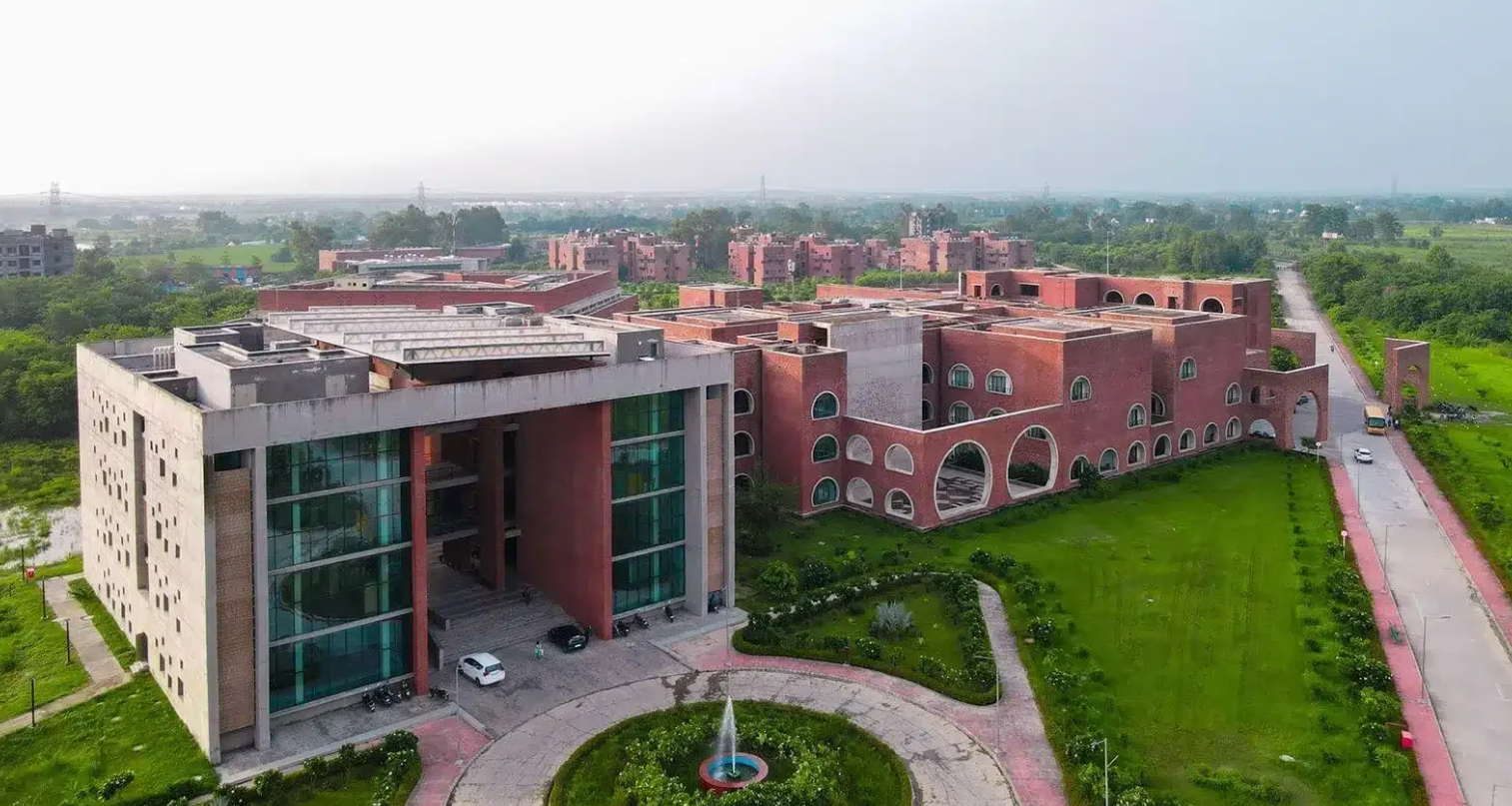
A Digital Twin is a dynamic, virtual replica of a physical entity, system, or process that spans its entire lifecycle. Unlike static 3D models, digital twins are updated in real-time using data from sensors (IoT) and other sources. By simulating the behavior of the physical counterpart, digital twins allow stakeholders to predict performance, identify potential failures, and optimize operations in a risk-free virtual environment.
Core Architecture and Components
The functionality of a digital twin relies on the seamless integration of several advanced technologies:
- Physical Entity: The actual object or system, such as a wind turbine, an entire smart city, or a human organ.
- Data Sensors (IoT): Embedded sensors collect real-time data on performance parameters, environmental conditions, and mechanical health.
- Connectivity: High-speed networks (5G/LPWAN) transmit collected data to a central cloud or edge computing platform.
- Analytics Layer: Artificial Intelligence (AI) and Machine Learning (ML) algorithms process the data to create simulations and predictive models.
- Virtual Interface: A dashboard or immersive environment (XR) that allows users to interact with the twin and visualize insights.
Types of Digital Twins
- Component Twins: Focus on a single critical part (e.g., a specific gear or sensor in an engine).
- Asset Twins: Replicate entire machines or functional units, allowing for monitoring of their collective performance.
- System/Unit Twins: Represent an entire production line, plant, or building, capturing the interaction between multiple assets.
- Process Twins: Simulate entire workflows, such as supply chain operations, traffic flow in a city, or manufacturing sequences.
Applications in Governance and Society
Digital twins are revolutionizing urban and administrative planning:
- Smart Cities: Urban planners create digital replicas of cities to simulate traffic patterns, emergency response times, and the impact of weather events (like flooding) before implementing changes.
- Infrastructure Monitoring: Used to monitor the structural health of bridges, dams, and highways in real-time, enabling predictive maintenance and preventing catastrophic failures.
- Healthcare (Digital Patient Twins): Creating virtual replicas of a patient’s organs or physiological systems to test the efficacy of drugs, plan complex surgeries, or monitor chronic disease progression.
- Disaster Management: Real-time simulations of disaster scenarios (e.g., earthquakes or fire) help in developing robust evacuation plans and optimizing resource allocation.
Role in Economy and Industry (Industry 4.0)
Digital twins are foundational to high-efficiency industrial practices:
- Predictive Maintenance: Instead of scheduled maintenance, sensors detect anomalies in a physical asset, and the digital twin predicts the exact time of failure, reducing downtime.
- Manufacturing Optimization: Factory floors are simulated to identify bottlenecks, energy inefficiencies, and safety hazards, leading to a leaner production process.
- Supply Chain Management: Simulations allow companies to model various disruptions, such as logistics delays or raw material shortages, to build resilient supply chains.
- Product Development: Engineers use digital twins to test “what-if” scenarios for new products, significantly reducing the cost and time associated with physical prototyping.
Comparative Overview: Traditional Simulation vs. Digital Twin
| Feature | Traditional Simulation | Digital Twin |
| Data Source | Manual/Historical | Real-time sensor data |
| Interactivity | Static/Fixed | Dynamic/Real-time |
| Scope | Limited to specific tasks | Lifecycle-wide monitoring |
| Purpose | Testing specific hypotheses | Continuous optimization and prediction |
Challenges to Implementation
- Data Complexity: Managing and integrating massive, heterogeneous datasets (Big Data) from diverse sources is computationally intensive.
- Interoperability: Lack of standardized data formats across different manufacturers makes it difficult to integrate diverse systems into a single twin.
- Security and Privacy: Being highly connected, digital twins are vulnerable to cyberattacks. A breach could expose industrial secrets or compromise critical infrastructure.
- High Initial Costs: The deployment of sensor networks, cloud storage, and high-performance computing required for accurate twinning remains expensive for MSMEs.
- Technical Skill Gap: Building and maintaining digital twins requires expertise in AI, data science, and domain-specific engineering.
Strategic Significance for India
- National Digital Twin Programme: NITI Aayog and various central ministries are exploring the integration of digital twins for infrastructure projects (e.g., Gati Shakti master plan) to ensure coordinated development.
- Environmental Sustainability: By optimizing energy usage and material consumption in industrial processes, digital twins directly support India’s Net-Zero goals.
- Make in India: The adoption of digital twins in the manufacturing sector is essential to improve quality standards and compete in the global market.
- Urban Planning: The “DataSmart Cities” initiative aims to leverage digital twins to make evidence-based decisions for sustainable urban growth.
Notable Trivia
- Origin of the Term: The concept is often attributed to NASA’s Apollo missions, where they maintained ground-based simulators (twins) of the spacecraft to mirror the conditions in space for troubleshooting.
- Digital Twin of the Ocean: Several international initiatives are currently building a digital twin of the global ocean to monitor climate change impacts, sea-level rise, and marine biodiversity in real-time.
- 1:1 Mapping: A “perfect” digital twin maintains a continuous, two-way data flow where changes in the physical asset are immediately reflected in the virtual model, and vice versa.