
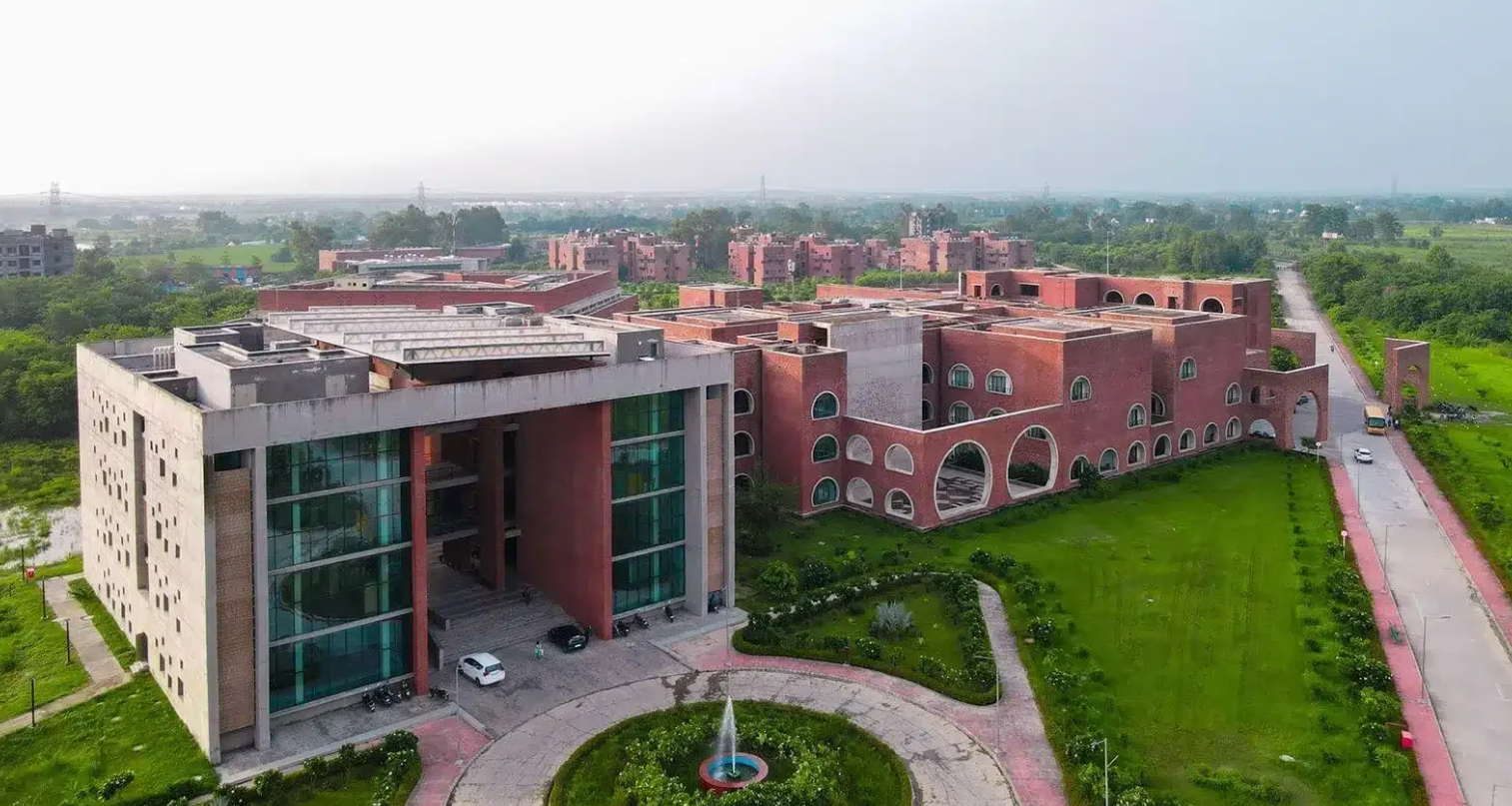
A green data centre is a facility designed, constructed, and operated to maximize energy efficiency and minimize environmental impact. Traditional data centres are intensive consumers of electricity, largely driven by the power required for constant server operation and the thermal management systems (cooling) necessary to prevent hardware failure. Green data centres aim to reduce this carbon footprint through sustainable architectural designs, renewable energy integration, and advanced cooling technologies.
Key Metrics for Measuring Efficiency
The efficacy of a data centre is measured primarily through energy and environmental efficiency metrics: Power Usage Effectiveness (PUE) PUE is the industry standard ratio representing how much energy is used by the computing equipment versus the total energy used by the entire facility. A PUE of 1.0 is considered the ideal efficiency. The formula is: Total Facility Energy / IT Equipment Energy. Water Usage Effectiveness (WUE) WUE measures the amount of water used for cooling and other operational purposes relative to the energy consumed by the IT equipment. The goal is to minimize water consumption, particularly in water-stressed regions. Carbon Usage Effectiveness (CUE) CUE measures the total carbon emissions produced by the data centre operations. It helps organizations track progress toward net-zero targets.
Core Strategies for Green Data Centres
Renewable Energy Integration Data centres are increasingly co-located with or powered by direct Power Purchase Agreements (PPAs) with wind, solar, and hydroelectric plants. This shift reduces the reliance on fossil-fuel-based grid electricity. Advanced Cooling Technologies Traditional air-based cooling is being replaced by more efficient methods: Liquid Cooling: Using liquids (which have higher thermal conductivity than air) to remove heat directly from server components. Free Cooling (Economization): Utilizing outside ambient air to cool the facility when external temperatures are low, significantly reducing the need for mechanical air conditioning. Hot/Cold Aisle Containment: Physical barriers that prevent hot exhaust air from mixing with cold intake air, improving the efficiency of the cooling system. Energy-Efficient Hardware Modern facilities use high-density servers that perform more computations per watt of power. Transitioning from traditional Hard Disk Drives (HDD) to Solid State Drives (SSD) also reduces energy consumption, as SSDs have no moving parts. Virtualization and Consolidation By using virtualization, a single physical server can host multiple virtual machines. This reduces the total number of physical servers required, lowering the power draw for both processing and cooling.
Benefits of Green Data Centres
Environmental Sustainability Green data centres significantly decrease greenhouse gas emissions and reduce the strain on local water resources. They are crucial for meeting national and global climate commitments, such as the Paris Agreement targets. Operational Cost Reduction Lower energy consumption translates directly into reduced utility bills. While the initial capital expenditure for green technology can be higher, the long-term operational expenditure (OPEX) is substantially lower. Regulatory Compliance and CSR Governments are increasingly implementing strict energy-efficiency mandates. Green data centres help organizations comply with evolving environmental regulations and strengthen their Corporate Social Responsibility (CSR) profiles.
Challenges in Implementation
High Capital Expenditure Retrofitting existing “brown” data centres to green standards requires significant upfront investment in infrastructure, sensors, and sustainable power systems. Geographical Limitations Access to consistent renewable energy sources and the suitability of the climate for “free cooling” techniques are geographically dependent. Grid Stability Integrating intermittent renewable energy sources (like solar and wind) into a facility that requires 24/7 uptime necessitates expensive battery storage or microgrid solutions to ensure constant power.
Green Data Centres in the Indian Context
India’s data centre sector is expanding rapidly. The government’s ‘Infrastructure Status’ for data centres encourages the adoption of sustainable practices. Key initiatives and trends include: The Ministry of Electronics and Information Technology (MeitY) has been emphasizing the need for energy-efficient data centres under the Digital India initiative. Leading hyperscale operators in India are setting ambitious targets to reach 100% renewable energy usage by 2030. The emergence of ‘Data Centre Parks’ in states like Maharashtra, Telangana, and Tamil Nadu is facilitating the development of integrated, green-certified infrastructure.
Comparison of Data Centre Cooling Approaches
| Cooling Method | Energy Efficiency | Complexity | Best For |
| Traditional CRAC/CRAH | Low | Low | Legacy facilities |
| Hot/Cold Aisle Containment | Medium | Low | General enterprise |
| Free Cooling (Air-side) | High | Medium | Cooler climates |
| Direct-to-Chip Liquid Cooling | Very High | High | High-density HPC/AI workloads |
Quick Facts for Prelims
The term “Brown Data Centre” refers to legacy facilities that lack energy-efficient designs and rely heavily on non-renewable energy sources. “Data Centre Sustainability” is a key pillar of the ESG (Environmental, Social, and Governance) investment criteria. The reduction of E-waste through the lifecycle management of servers and batteries is an integral component of the green data centre philosophy.
Last Modified: June 17, 2026