
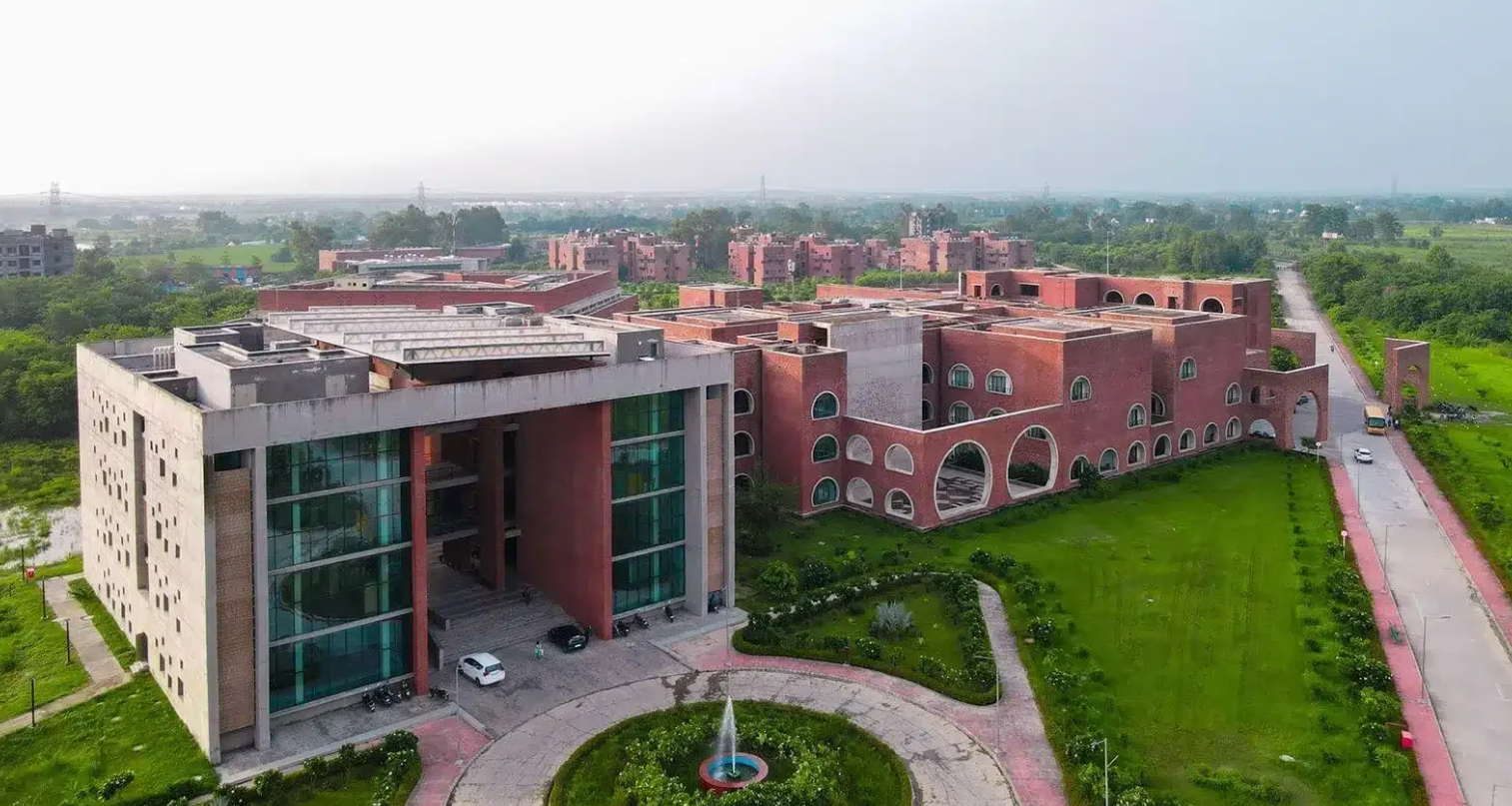
A smart city leverages Information and Communication Technology (ICT) and Internet of Things (IoT) sensors to enhance operational efficiency, share information with the public, and improve the quality of government services and citizen welfare. The core objective is to optimize city functions and drive economic growth while improving the quality of life for citizens using smart technologies and data analysis.
Core Pillars of Smart Cities
The framework of a smart city typically rests on four major foundations:
- Physical Infrastructure: Traditional urban systems integrated with digital layers, such as smart grids, intelligent transport systems, and automated waste management.
- Digital Infrastructure: High-speed connectivity via 5G, fiber optics, and robust cloud/edge computing platforms to process real-time data.
- Human Capital: Development of smart governance and social infrastructure that encourages public participation through digital platforms.
- Data Infrastructure: Integration of big data analytics and artificial intelligence to derive actionable insights from urban sensors.
Key Technological Components
Urban intelligence is achieved through the convergence of several emerging technologies:
- Internet of Things (IoT): Sensors placed on streetlights, water pipes, and public transport vehicles to monitor performance and usage in real-time.
- Artificial Intelligence (AI) and Machine Learning (ML): Used for predictive traffic management, crime pattern analysis, and demand forecasting for utilities.
- Geospatial Technology (GIS): Essential for urban planning, land use management, and disaster risk reduction through mapping and spatial analysis.
- Blockchain: Utilized for secure land records management, transparent public procurement, and secure digital identity verification.
- Big Data Analytics: Processing vast volumes of urban data to make informed decisions regarding city planning and resource allocation.
Applications in Governance and Society
Smart city technologies transform how urban services are delivered:
- Intelligent Transport Systems (ITS): Implementation of adaptive traffic light control, real-time bus tracking, and smart parking solutions to reduce congestion and carbon emissions.
- Smart Energy Management: Adoption of Advanced Metering Infrastructure (AMI) and smart grids that allow for dynamic pricing and efficient load balancing.
- Integrated Command and Control Centers (ICCC): These function as the “brain” of a city, aggregating data from various departments to provide a centralized dashboard for monitoring and incident response.
- E-Governance Services: Mobile-first platforms that allow citizens to pay taxes, report grievances, and access public records without physical intervention.
- Environmental Monitoring: Deployment of sensors to measure air quality index (AQI), noise levels, and water purity, providing automated alerts to municipal authorities.
Comparative Overview of Smart City Technologies
| Technology | Primary Application | Expected Outcome |
| IoT Sensors | Resource monitoring | Reduced waste and leakage |
| AI Analytics | Traffic management | Minimized congestion and travel time |
| Cloud Computing | Centralized data storage | Improved inter-departmental collaboration |
| GIS Mapping | Infrastructure planning | Optimized land use and emergency response |
| 5G Networks | High-speed communication | Real-time connectivity for autonomous systems |
Challenges in Implementation
- Cybersecurity and Privacy: Increased connectivity broadens the attack surface for cyber threats, necessitating robust data protection laws.
- Digital Divide: Disparities in digital literacy and device access can lead to inequitable distribution of smart city benefits.
- Interoperability: Diverse vendors often use proprietary systems, making it difficult for different city departments to exchange data seamlessly.
- Financial Sustainability: High initial capital expenditure and long-term maintenance costs pose significant budgetary challenges for municipal bodies.
- Legacy Infrastructure: Retrofitting modern digital solutions into centuries-old urban layouts is technically complex and expensive.
Policy Framework in India
The Government of India launched the Smart Cities Mission in 2015 as a centrally sponsored scheme under the Ministry of Housing and Urban Affairs.
- Mission Approach: Adopts an area-based development strategy (retrofitting, redevelopment, or greenfield development) combined with a pan-city initiative.
- Special Purpose Vehicle (SPV): Each city is required to form a dedicated SPV to plan, implement, and monitor smart city projects.
- DataSmart Cities Strategy: Aims to create a culture of data-driven governance by enabling cities to harness data for evidence-based decision-making.
- India Urban Data Exchange (IUDX): An open-source platform designed to facilitate the secure exchange of data between various urban stakeholders, including government and private entities.
Notable Facts and Trends
- Edge Computing: Moving processing power to the “edge” (closer to the sensor) is critical in smart cities to reduce latency, which is essential for real-time safety systems like emergency response and autonomous transit.
- Digital Twins: Cities are increasingly creating “digital twins”—virtual replicas of physical infrastructure—to simulate the impact of urban planning decisions before they are implemented on the ground.
- Circular Economy Integration: Smart technologies are being used to track resource lifecycles, facilitating recycling and waste-to-energy conversion, aligning with Sustainable Development Goal 11 (Sustainable Cities and Communities).