
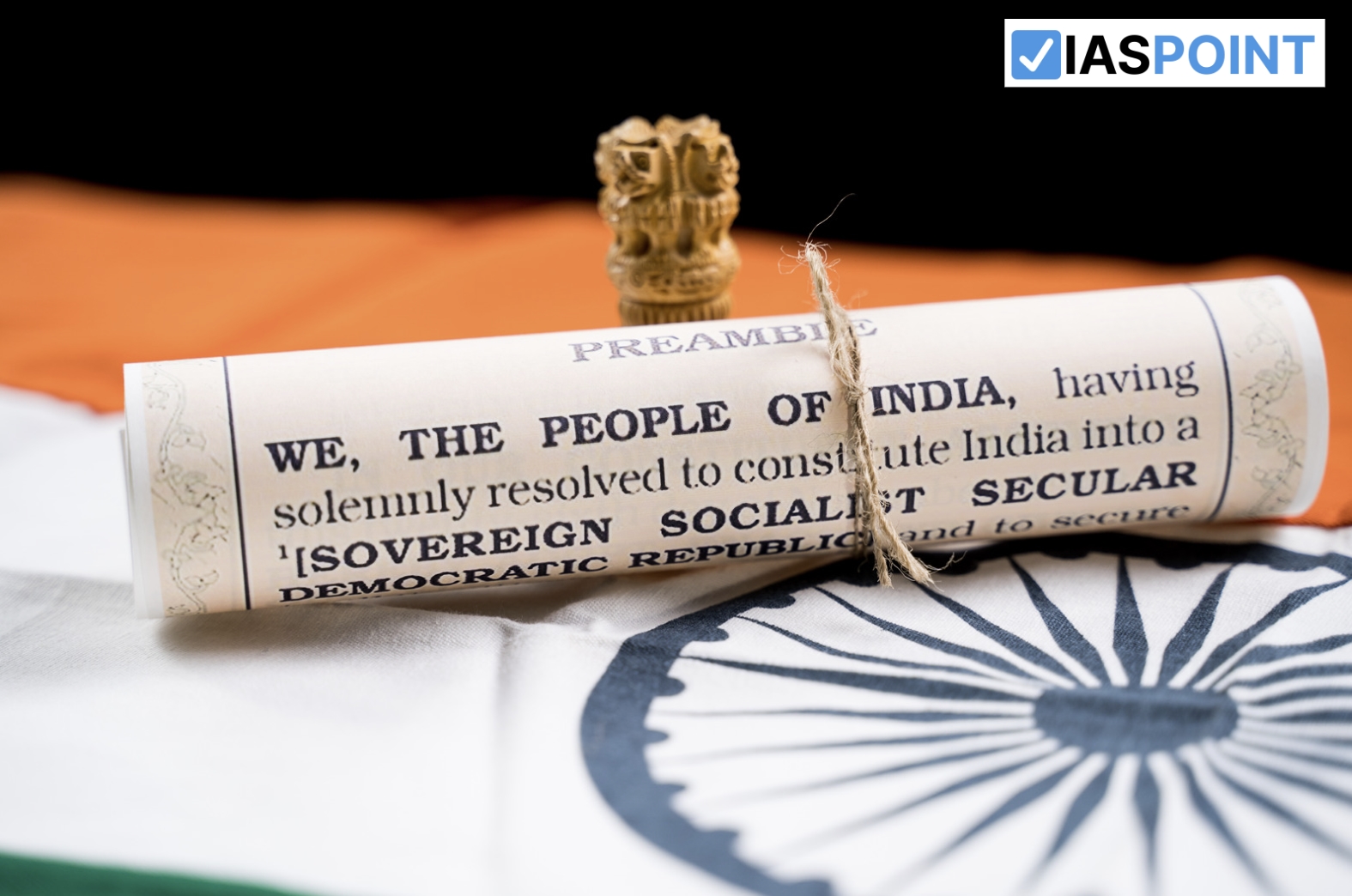

Election laws in India regulate the electoral process. They ensure free and fair elections. Key laws include the Representation of the People Act, 1950, the Representation of the People Act, 1951, and the Delimitation Act, 2002. These laws govern various aspects of elections, from seat allocation to electoral conduct.
Representation of the People Act, 1950
The Representation of the People Act, 1950, was enacted to allocate seats in the Parliament and State Legislatures. It is based on Articles 81 and 170 of the Constitution. Key provisions include:
- Allocation of seats in the Lok Sabha and State Assemblies.
- Delimitation of constituencies.
- Appointment of election officers.
- Preparation of electoral rolls.
- Jurisdiction limitations of civil courts.
Representation of the People Act, 1951
The Representation of the People Act, 1951, outlines the conduct of elections. It includes provisions for:
- Qualifications and disqualifications for membership in Parliament and State Legislatures.
- Administrative machinery for conducting elections.
- Registration of political parties.
- Conducting elections and managing electoral disputes.
- Corrupt practices and election offences.
Delimitation Act, 2002
The Delimitation Act, 2002, was established to redraw constituency boundaries. It is based on the 2001 Census. Key features include:
- Re-adjustment of constituencies based on population changes.
- Reservation of seats for Scheduled Castes and Scheduled Tribes.
- Establishment of a Delimitation Commission.
Other Relevant Acts
Several other acts influence election processes, including:
- Parliament (Prevention of Disqualification) Act, 1959: Defines offices of profit exempt from disqualification.
- Scheduled Castes and Scheduled Tribes Orders (Amendment) Act, 1976: Adjusts representation for SCs and STs.
- Government of Union Territories Act, 1963: Governs elections in union territories.
- Presidential and Vice-Presidential Elections Act, 1952: Regulates elections for these offices.
Electoral Process
The electoral process in India involves several steps:
- Delimitation of constituencies.
- Preparation of electoral rolls.
- Announcement of election schedules.
- Filing of nominations.
- Campaigning by candidates.
- Polling and counting of votes.
Election Machinery
The Election Commission of India (ECI) oversees elections. It consists of:
- Chief Election Commissioner: Heads the ECI.
- Election Commissioners: Assist the chief commissioner.
- Chief Electoral Officers (CEOs): Manage elections in states.
- District Election Officers (DEOs): Supervise elections at the district level.
Voting Eligibility
Voting eligibility is defined by Article 326 of the Constitution. Key points include:
- Voting age is 18 years.
- Citizens must register to vote.
- Voter ID is required for voting.
Disqualification from Voting
Certain individuals may be disqualified from voting. Reasons include:
- Not a citizen of India.
- Declared unsound mind by a competent court.
- Involvement in corrupt practices.
Election Campaign Regulations
Election campaigns are regulated by the Model Code of Conduct (MCC). Key rules include:
- Prohibition of new schemes during elections.
- Restrictions on government advertisements.
- Ministers must separate official visits from campaign activities.
Types of Election Methods
India employs various voting systems:
- First Past the Post (FPTP): Voter selects one candidate; highest votes win.
- Proportional Representation (PR): Seats allocated based on vote share.
- Alternative Vote System: Voters rank candidates; preferences are redistributed.
Corrupt Practices in Elections
The Representation of the People Act, 1951, defines corrupt practices. Examples include:
- Bribery.
- Undue influence.
- Booth capturing.
Election Offences
Election offences can lead to criminal liability. Examples include:
- False affidavits.
- Disorderly conduct at polling stations.
- Interference with election processes.
Dispute Resolution
Election disputes are resolved through election petitions. Key points include:
- Petitions must be filed within 45 days of the election.
- Disputes are adjudicated by High Courts.
Anti-Defection Law
The Anti-Defection Law aims to prevent political instability. Key provisions include:
- Disqualification for defecting from a political party.
- Exceptions for mergers with two-thirds support.
Electoral Reforms
Several committees have proposed electoral reforms, including:
- The Goswami Committee (1990).
- The Vohra Committee (1993).
- The Indrajit Gupta Committee (1998).
Recent Electoral Changes
Recent changes in electoral laws include:
- Implementation of Electronic Voting Machines (EVMs).
- Introduction of NOTA (None of the Above) option.
- Restrictions on corporate donations to parties.
Election Commission of India (ECI)
The ECI is responsible for conducting free and fair elections. Key functions include:
- Supervision of elections.
- Preparation of electoral rolls.
- Recognition of political parties.


