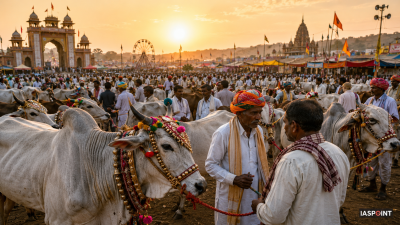
Cattle fairs, historically known as Pashu Melas, are an integral part of India’s intangible cultural heritage, bridging the gap between agrarian economy and religious tradition. These fairs typically...
Tribal festivals, or Adivasi Mahotsavs, represent the primordial layer of Indian culture, where spirituality is inextricably linked with ecology, animism, and ancestral worship. These festivals are governed by...
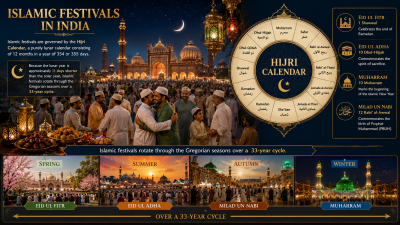
Islamic festivals in India are governed by the Hijri Calendar, a purely lunar calendar consisting of 12 months in a year of 354 or 355 days. Because the...
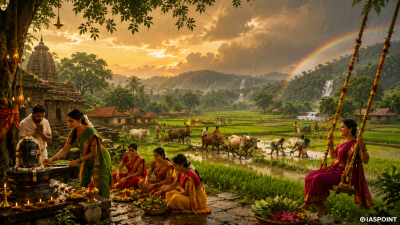
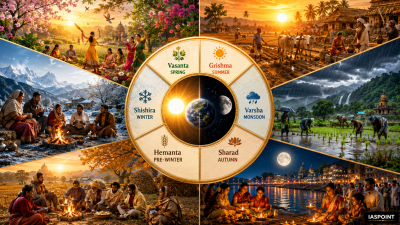
In the Indian Luni-Solar rhythm, the Monsoon or Varsha Ritu spans the Hindu months of Shravana and Bhadrapada (typically July to September). This period is crucial for India’s...
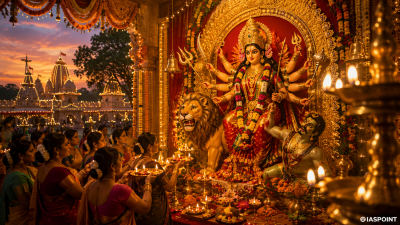
Navaratri, meaning "Nine Nights," is a major Hindu festival celebrated four times a year, though the most significant is the Sharada Navaratri. It is governed by the Luni-Solar...
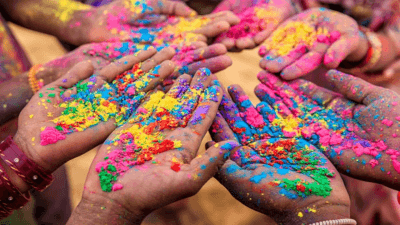
Holi, popularly known as the "Festival of Colors," is a major Hindu festival celebrated across the Indian subcontinent. In the Indian Luni-Solar calendar, it is observed on the...
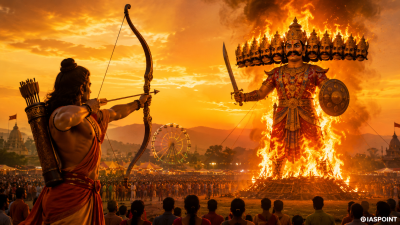
Dusshera, also known as Vijayadashami, is celebrated on the 10th day (Dashami) of the bright fortnight (Shukla Paksha) in the month of Ashvin. It marks the conclusion of...
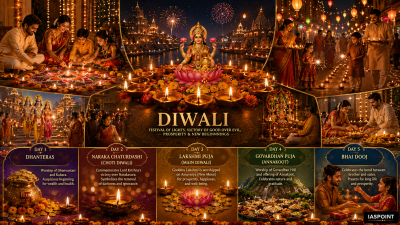
Diwali, or Deepavali (literally "row of lamps"), is the most widely celebrated festival in India. It is a quintessential example of the Indian Luni-Solar calendar’s precision, falling on...
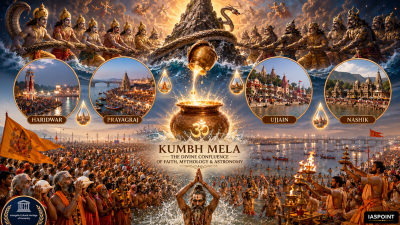
The Kumbh Mela is recognized by UNESCO as an Intangible Cultural Heritage of Humanity, representing the largest peaceful gathering of pilgrims on Earth. The festival's origins are rooted...
In Indian culture, the solar year is divided into six seasons known as Shada-Ritu, based on the Ratnakara and other ancient astronomical texts. Unlike the four-season model of...