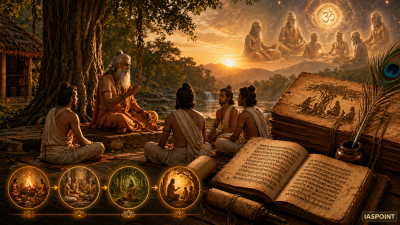
Mimamsa, also known as Purva Mimamsa (Prior Inquiry), is one of the six orthodox (Astika) schools of Indian philosophy. It focuses on the interpretation of the Vedas, specifically...
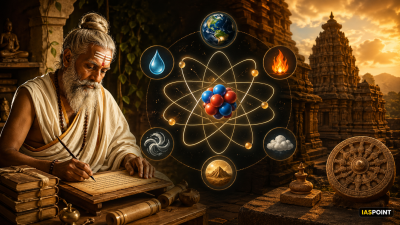
The Vaisheshika school is one of the six orthodox (Astika) systems of Indian philosophy. It is best known for its metaphysical realism and its pioneering atomic theory. The...
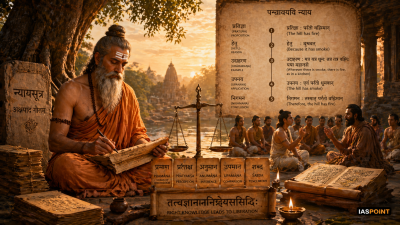
The Nyaya school is one of the six orthodox (Astika) systems of Indian philosophy, renowned for its focus on logic, methodology, and epistemology. Traditionally attributed to Sage Gautama...
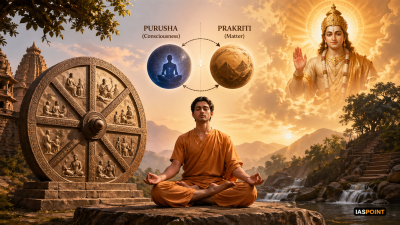
The Yoga school is one of the six orthodox (Astika) systems of Indian philosophy. While it is closely allied with the Samkhya school—accepting its dualistic metaphysics—Yoga focuses on...
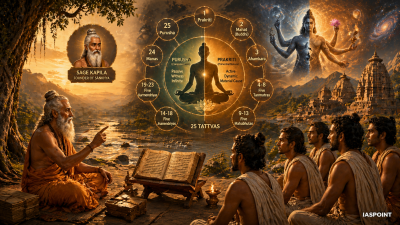
Samkhya is recognized as the oldest of the six orthodox (Astika) schools of Indian philosophy. Traditionally attributed to Sage Kapila, who authored the Samkhya Sutra, the school is...
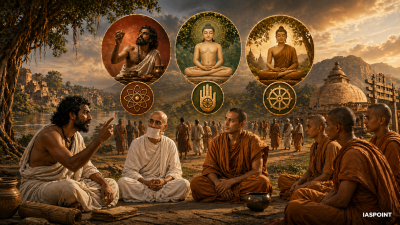
In the landscape of Indian philosophy, schools are classified as Nastika (Heterodox) if they reject the absolute authority of the Vedas. Unlike the Orthodox (Astika) schools, these systems...
In Indian philosophy, schools are classified as Astika (Orthodox) if they accept the authority of the Vedas. These schools represent a systematic attempt to explain the nature of...
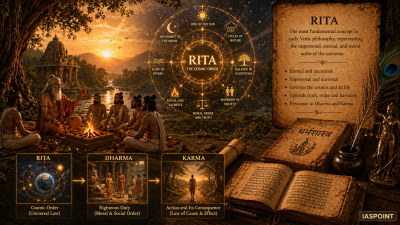
Rita is the most fundamental concept in early Vedic philosophy, representing the impersonal, eternal, and moral order of the universe. It is the precursor to the later concepts...
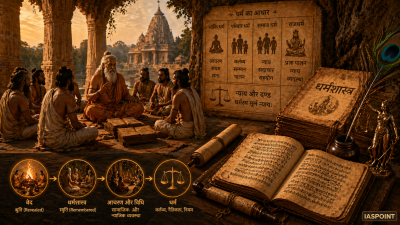
The Dharmashastras are a vast body of Sanskrit theological and legal texts that provide a comprehensive framework for Dharma (righteousness, duty, and law). They represent the codification of...
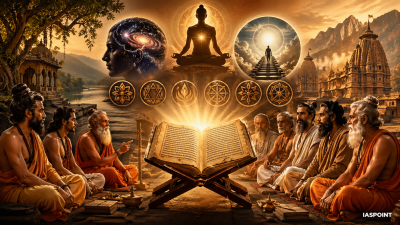
The Upanishads represent the Jnana-kanda (knowledge section) of the Vedas and are collectively known as Vedanta (the end of the Vedas). Historically, they mark a transition from the...