
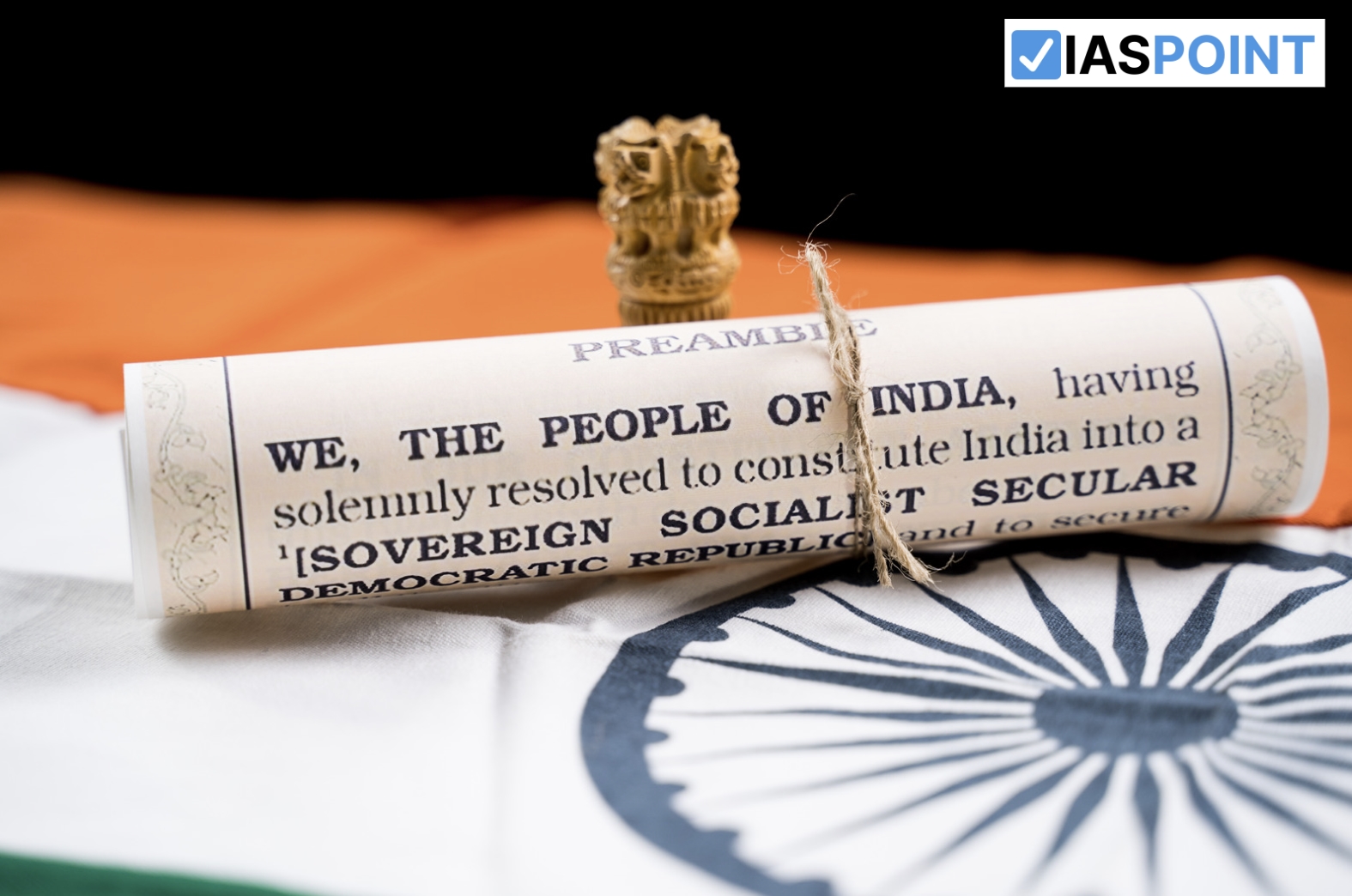

The Parliament of India is the supreme legislative body of the country. It operates under a bicameral system, comprising two houses – the Lok Sabha (House of the People) and the Rajya Sabha (Council of States). The President of India is an integral part of the Parliament. Together, they hold the authority to make laws and govern the nation.
Structure of Parliament
The Parliament consists of three key components:
- Lok Sabha: Comprises up to 550 members, including 530 directly elected from states and 20 from Union territories. There are no nominated members in Lok Sabha.
- Rajya Sabha: Has a maximum of 250 members, with 238 elected by state legislatures and 12 nominated by the President.
- President: Plays important role in summoning and proroguing sessions, as well as giving assent to bills.
Legislative Powers
Parliament has the authority to legislate on various subjects outlined in the Constitution:
- Union List: Covers subjects exclusively under central authority.
- State List: Deals with subjects under state jurisdiction.
- Concurrent List: Subjects where both Parliament and state legislatures can legislate; central law prevails in case of conflict.
Parliament can legislate on state subjects under specific conditions, such as during a national emergency or if requested by multiple states.
Executive Powers
The Parliament exercises control over the executive branch, ensuring accountability:
- Ministers are collectively responsible to the Lok Sabha.
- Parliament can question the executive through various mechanisms like Question Hour and Zero Hour.
- Committees monitor government actions and ministerial assurances.
Financial Powers
Parliament holds ultimate authority over financial matters:
- No money can be spent without parliamentary approval.
- The Union Budget must be presented and passed by Parliament.
- Financial committees oversee government expenditure and ensure accountability.
Judicial Powers
Parliament has specific judicial powers, including:
- Impeachment of the President and other high officials.
- Disciplinary actions against its members for breaches of privilege.
Electoral Powers
Parliament plays role in the electoral process:
- Participates in the election of the President and Vice-President.
- Elects the Speaker and Deputy Speaker in Lok Sabha.
- Elects the Deputy Chairman in Rajya Sabha.
Constituent Powers
Parliament has the exclusive authority to amend the Constitution:
- Amendments can be proposed in either house.
- Types of amendments include simple majority, special majority, and special majority with state consent.
Control over the Executive
The Parliament ensures the executive remains accountable:
- Can pass a no-confidence motion to remove the Cabinet.
- Rejects budget proposals or other bills brought by the executive.
- Utilises motions like censure and cut motions to express disapproval.
Legislative Functions
Parliament legislates on various matters:
- Enacts laws for subjects in the Union and Concurrent Lists.
- Can legislate on state subjects under specific conditions, such as emergencies.
- Can amend existing laws as required.
Duration and Sessions
The Lok Sabha has a term of five years but can be dissolved earlier. The Rajya Sabha is a continuous body, with one-third of its members retiring every two years.
Qualifications for Membership
To be eligible for Lok Sabha:
- Must be a citizen of India.
- At least 25 years old.
- Registered as a voter.
For Rajya Sabha:
- Must be a citizen of India.
- At least 30 years old.
- Registered as a voter.
Disqualifications for Membership
Members may be disqualified for:
- Holding an office of profit under the government.
- Being of unsound mind or undischarged insolvent.
- Conviction for certain criminal offences.
Presiding Officers
Each house has designated presiding officers:
- Lok Sabha: The Speaker, elected by its members.
- Rajya Sabha: The Vice President serves as the ex-officio Chairman.
Both presiding officers can be removed through a majority vote in their respective houses.
Parliamentary Committees
Parliament employs various committees to facilitate its functions:
- Public Accounts Committee: Examines government expenditure.
- Estimates Committee: Reviews budget estimates and expenditures.
- Committee on Ministerial Assurances: Ensures ministers fulfil promises made to Parliament.
Role of the President
The President of India, while not a member of Parliament, plays important role:
- Summons and prorogues sessions of Parliament.
- Addresses both houses at the commencement of sessions.
- Gives assent to bills passed by Parliament.
Parliamentary Procedures
Parliament follows specific procedures for its operations:
- Bills can be introduced in either house.
- Must pass through various readings and stages before becoming law.
- Requires presidential assent to be enacted.
Functions of Parliament in Society
Parliament serves as a platform for discussing national and international issues:
- Facilitates debates on pressing matters.
- Enables representation of diverse viewpoints.
- Acts as a safeguard against government overreach.
Importance of Bicameralism
The bicameral structure allows for thorough scrutiny of legislation:
- Ensures representation of both the populace and the states.
- Encourages deliberation and consensus-building.
The Parliament of India is very important in shaping the nation’s laws and policies. Its structure and functions enable it to maintain a balance of power, ensuring accountability and representation in governance.


