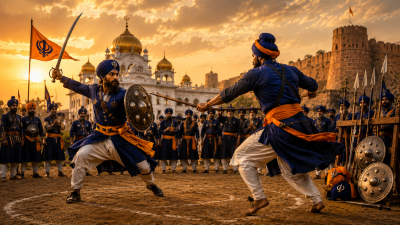
The martial heritage of the Punjab region is characterized by a transition from the ancient, lethal science of Shastar Vidya to the popularized, instructional sport known as Gatka....
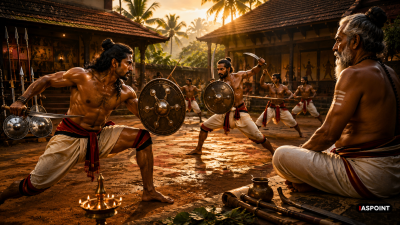
Silambam is an ancient weapon-based martial art from Tamil Nadu, considered one of the oldest in the world. The term "Silambam" refers to the sound produced during the...
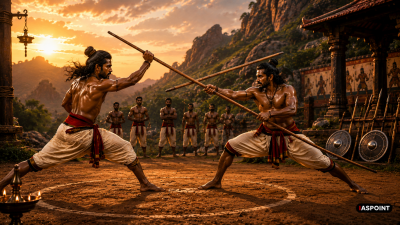
Kalaripayattu is widely acknowledged as the oldest surviving martial art in the world, with its roots tracing back over 3,000 years to the state of Kerala. The term...
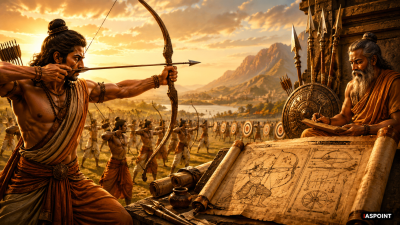
Dhanurveda is considered the Upaveda (applied knowledge) of the Yajur Veda, though some traditions associate it with the Atharva Veda. It is the earliest comprehensive treatise on the...
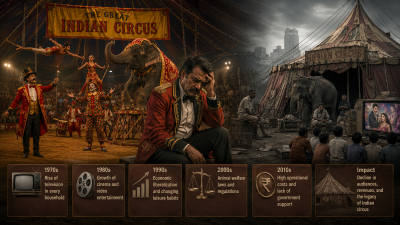
The Indian circus, once a premier form of mass entertainment and a symbol of national pride, began to witness a steady decline toward the late 20th century. This...
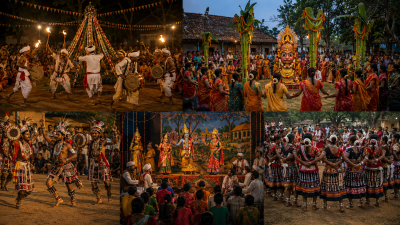
Community-based performances in India represent the intersection of social cohesion, religious devotion, and artistic expression. Unlike individualized art forms, these are characterized by collective participation, where the line...
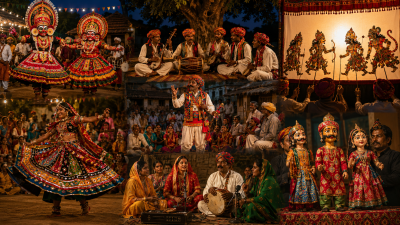
Traditional folk entertainment serves as a vital repository of India’s intangible cultural heritage. Unlike classical forms, folk entertainment is rooted in rural landscapes, characterized by spontaneous regional dialects,...
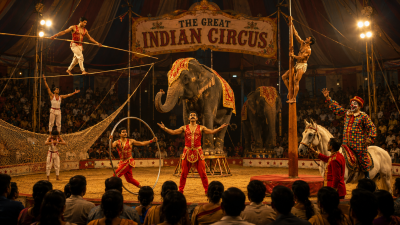
The modern Indian circus owes its inception to Vishnupant Chatre, often hailed as the "Father of Indian Circus." While traditional performing arts like Mallakhamba (pole gymnastics) and Nut...
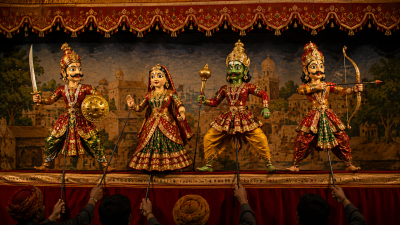
Rod puppetry is a traditional performance art characterized by the use of large puppets supported and manipulated by rods from below. Unlike string puppets (controlled from above) or...
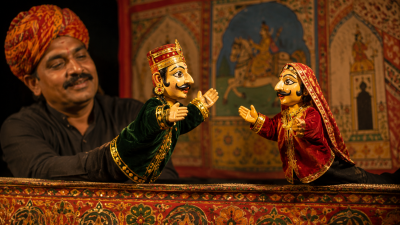
Glove puppetry, known technically as hand or sleeve puppetry, represents the most intimate and direct form of traditional Indian theater. Unlike string or rod puppets, glove puppets lack...