
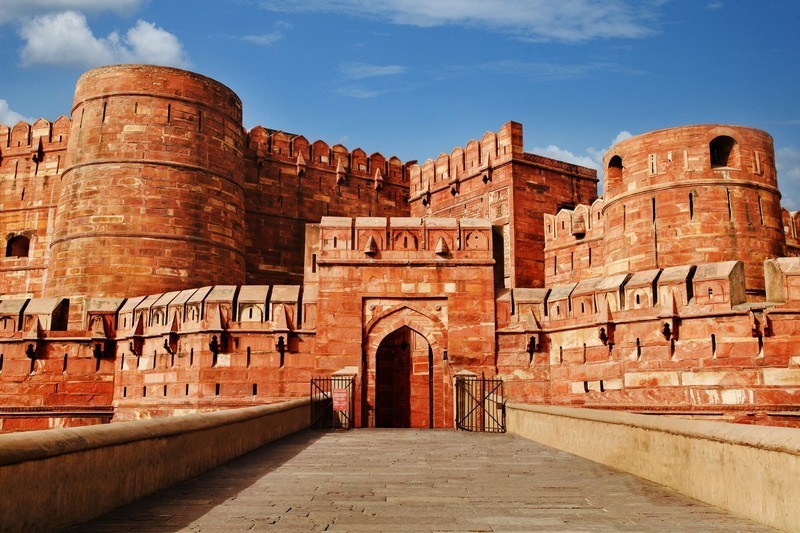
The early medieval period represents a distinct phase of cultural synthesis in India, characterized by the transition from classical imperial traditions to regionalized cultural identities. This era witnessed the integration of diverse local customs into the Puranic framework, the expansion of the Sanskrit Cosmopolis, and the birth of regional literary and architectural expressions.
Integration of Local and Puranic Traditions
A primary feature of the cultural landscape was the assimilation of tribal and indigenous cults into the Brahmanical religious order. This process, often facilitated by land grants to religious institutions, created a pan-Indian religious identity with deep regional roots.
- The Puranas served as the primary instruments for religious integration, standardizing local myths and deities under the broader umbrella of Vaishnavism, Shaivism, and Shaktism.
- The concept of Tirthas (pilgrimage centers) mapped the subcontinent into a sacred geography, connecting geographically isolated communities to the mainstream religious narrative.
- Local deities were frequently interpreted as incarnations (avatars) or manifestations of major gods, such as the assimilation of various folk goddesses into the cult of Durga or Kali.
- The ritual calendars of temples synchronized agricultural cycles with religious festivals, reinforcing the temple’s role as the pivot of socio-cultural life.
The Sanskrit Cosmopolis and Regional Literatures
While Sanskrit remained the language of high culture and administrative record-keeping, this period saw the simultaneous rise of regional vernaculars (bhashas). This created a dual-layered linguistic environment.
- Sanskrit continued to be used for Prasastis (royal panegyrics) and philosophical discourse, serving as the language of elite legitimacy across India and Southeast Asia.
- Regional languages like Tamil, Kannada, Telugu, and Apabhramsha began to flourish as literary vehicles. This shift was driven by the need for regional rulers to solidify local support and the demand for religious literature accessible to the masses.
- The emergence of the Bhakti movement provided the strongest impetus for vernacular growth, as poet-saints utilized local dialects to convey complex theological ideas.
Architectural and Artistic Regionalism
Early medieval India witnessed the crystallization of distinct regional architectural styles. These structures were not merely places of worship but served as political statements and markers of regional pride.
- Nagara Style: Developed in Northern India, characterized by the curvilinear Shikhara. Notable examples include the temples of Khajuraho (Chandellas) and the Sun Temple at Modhera (Solankis).
- Dravida Style: Prevalent in Southern India, featuring the pyramid-shaped Vimana. The Brihadisvara Temple of Thanjavur (Cholas) stands as the pinnacle of this style.
- Vesara Style: A hybrid architectural tradition dominant in the Deccan, combining elements of both Nagara and Dravida styles, prominently seen in Hoysala temple architecture.
- Tantric Influence on Art: The construction of circular 64-Yogini temples (e.g., Hirapur, Odisha) highlights the integration of esoteric Tantric practices into the mainstream religious architecture.
Socio-Cultural Role of the Temple
The temple evolved into an all-encompassing institution, functioning as a nexus for economic, social, and cultural activities.
- Temples acted as archives and record offices, preserving land grant inscriptions (Shasanas) and legal decrees on their stone walls.
- They served as major centers for the performing arts, maintaining troupes of musicians, dancers (Devadasis), and actors, which helped preserve and evolve classical dance and music forms.
- Mathas (monasteries) attached to temples functioned as centers of higher learning, promoting Vedic studies, logic, astronomy, and mathematics.
- Large-scale festivals organized by temple authorities provided essential social spaces for the intermingling of different social classes and the exchange of goods and ideas.
Intellectual Networks and Scholarly Exchange
The period was marked by significant intellectual activity, supported by the patronage of regional courts and wealthy merchant guilds.
- Scholarly mobility was high, with philosophers and poets traveling between major centers like Kashi, Kanauj, Kanchipuram, and Nalanda.
- Philosophical developments in this period included the refinement of Advaita (non-dualism) by Adi Shankaracharya and the development of the Trika school of Kashmir Shaivism.
- The spread of Tantric traditions significantly influenced the production of scientific and philosophical texts, particularly in the fields of alchemy (Rasayana) and medicinal practices.
Comparative Overview of Cultural Evolution
| Aspect | Classical Tradition | Early Medieval Transition |
|---|---|---|
| Language | Primarily Sanskrit | Sanskrit + Emerging Regional Vernaculars |
| Patronage | Central Imperial Courts | Regional Dynasties and Temple Institutions |
| Religious Focus | Vedic/Sacrificial Rituals | Puranic Bhakti and Temple-based Worship |
| Geography | Imperial Centers | Distributed Temple-Cities |
| Artistic Expression | Pan-Indian Styles | Distinctive Regional Architectural Styles |
Key Factors Driving Cultural Change
- Political Fragmentation: The absence of a pan-Indian empire encouraged regional rulers to emphasize local identity and regional linguistic/artistic traditions.
- Feudalism/Land Grants: The transfer of land and administrative rights to Brahmins and temples led to the diffusion of urban high culture into rural hinterlands.
- Bhakti Movement: The movement bridged the gap between elite philosophical traditions and the popular religious aspirations of the common people.
- Merchant Guilds: The active financial support of merchant associations (like the Nagarams or Manigramam) ensured the sustainability of cultural and religious infrastructure in urban and peri-urban centers.