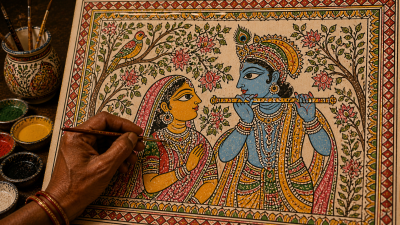
Madhubani painting, also known as Mithila art, originates from the Mithila region of Bihar and the neighboring Terai region of Nepal. Traditionally practiced by women, this art form...
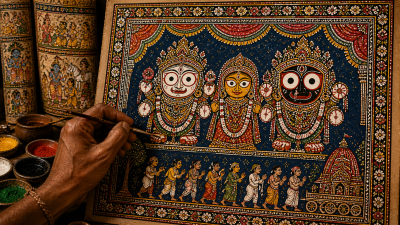
Pattachitra, derived from the Sanskrit words Patta (canvas/cloth) and Chitra (picture), is one of the oldest and most popular art forms of India, primarily concentrated in Odisha and...
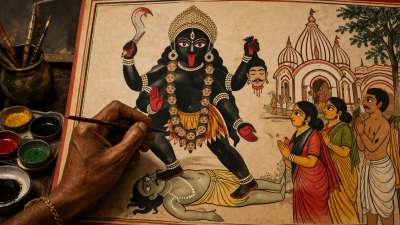
Kalighat painting originated in the 19th century in the vicinity of the Kalighat Temple in Calcutta (now Kolkata). It represents a critical transition in Indian art history from...
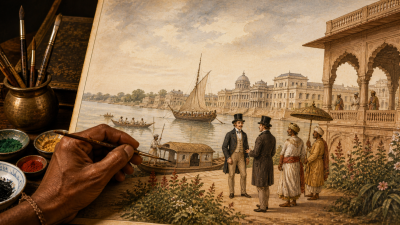
Company School of Painting, also known as Patna Qalam or Kampani Qalam, is a hybrid Indo-European style of art that emerged in India during the 18th and 19th...
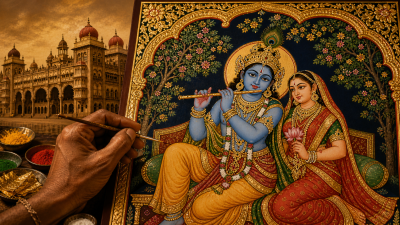
The Mysore School of Painting is a major South Indian classical art form that originated in the kingdom of Mysore, Karnataka. While it shares a common ancestry with...
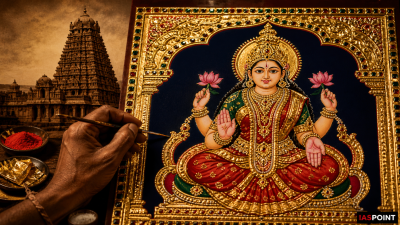
Tanjore (Thanjavur) painting is a classical South Indian art form that originated in the town of Thanjavur in Tamil Nadu. While its roots can be traced back to...
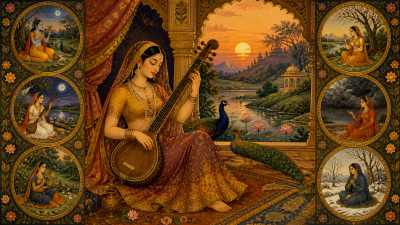
Ragamala (literally "Garland of Ragas") paintings represent a unique fusion of Indian classical music, poetry, and painting. This genre flourished between the 16th and 19th centuries across various...
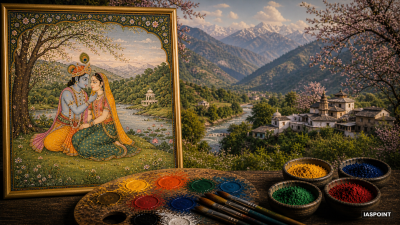
The Kangra School is the most celebrated and refined offshoot of the Pahari tradition, flourishing in the late 18th century. It represents the pinnacle of Rajput painting, succeeding...
The Pahari School of Painting refers to the artistic traditions that flourished in the Himalayan foothills (Punjab Hills) between the 17th and 19th centuries. Spanning the regions of...
The Hadoti School, comprising the princely states of Bundi and Kota, represents a vibrant branch of Rajasthani painting. While both schools share a common origin and an obsession...