
Historical Context of the Carnatic Wars
The Carnatic Wars (1746–1763) were a series of military conflicts in the coastal Carnatic region of South India that established British geopolitical dominance over European and native rivals. What began as a proxy conflict reflecting the European War of the Austrian Succession and the Seven Years’ War transformed into a definitive struggle for commercial and territorial hegemony between the English East India Company (EIC) and the French East India Company (Compagnie des Indes). The theater of war primarily involved the subah (province) of the Carnatic, under the nominal jurisdiction of the Nizam of Hyderabad.
Comparative Summary of the Carnatic Wars
| Conflict | Timeline | Immediate Cause | Key Battles | Treaty & Outcome |
| First Carnatic War | 1746–1748 | Extension of the War of the Austrian Succession; capture of French ships by English Navy. | Battle of St. Thome (1746): French forces defeated the Nawab of Carnatic, proving European military superiority. | Treaty of Aix-la-Chapelle (1748): Madras was returned to the English in exchange for Louisbourg in North America. |
| Second Carnatic War | 1749–1754 | Internal feuds over succession in Hyderabad (Nazir Jung vs. Muzaffar Jung) and Carnatic (Anwaruddin vs. Chanda Sahib). | Battle of Ambur (1749); Siege of Arcot (1751): Robert Clive’s brilliant defense turned the tide against the French. | Treaty of Pondicherry (1754): Dupleix was recalled to France; both companies agreed not to interfere in native politics. |
| Third Carnatic War | 1758–1763 | Extension of the Seven Years’ War in Europe; French capture of Fort St. David. | Battle of Wandiwash (1760): Sir Eyre Coote decisively defeated the French under Comte de Lally. | Treaty of Paris (1763): French factories were restored but barred from fortification or maintaining armies in India. |
Determinants of British Success
Naval Superiority and Maritime Logistics
The Royal Navy acted as the lifeline of the English East India Company. Unlike the French, who suffered from erratic maritime communication, the British maintained uninterrupted supply lines from Europe and their Indian bases. During the Third Carnatic War, the British fleet under Admiral Watson ensured that French settlements could be isolated and blockaded, preventing Comte de Lally from receiving reinforcements or provisions from France or the French islands in the Indian Ocean, such as Mauritius.
Financial Autonomy and Commercial Solvency
The financial health of the English East India Company was robust, driven by its expansive private and corporate trade. The EIC operated as an independent commercial enterprise with minimal state interference, allowing for rapid operational decisions. In contrast, the French East India Company was heavily controlled by the French Crown, relying on state subsidies and frequently facing bankruptcy due to the financial strains on the French treasury in Europe.
Territorial and Financial Base in Bengal
The Battle of Plassey (1757) occurred concurrently with the early phase of the Third Carnatic War. The conquest of Bengal provided the British with vast agricultural revenues, access to the rich trading delta, and an inexhaustible supply of funds and manpower. This wealth was systematically funneled into the southern theater under the direction of Robert Clive, ensuring that the British forces in the Carnatic were never starved of resources, whereas the French lacked a comparable resource-rich territorial base in India.
Operational Freedom and Leadership Cohesion
The British administrative setup in India allowed for seamless coordination between political and military wings. Leaders like Robert Clive, Sir Eyre Coote, and Major Stringer Lawrence exhibited exceptional tactical flexibility, strategic foresight, and mutual cooperation. Conversely, the French leadership was fractured by internal discord. The visionary strategies of Joseph François Dupleix were undermined by a lack of support from the home government, and his successor, Comte de Lally, suffered from severe friction with local French officials and naval commanders like Admiral d’Aché.
Military Innovation and Disciplined Sepoy Levies
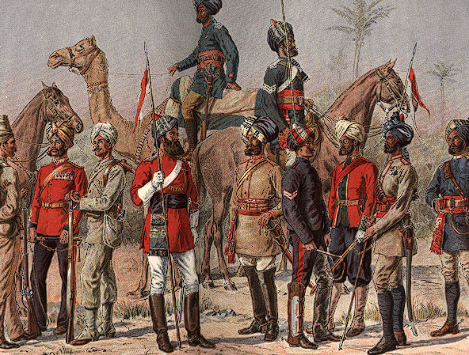
The British perfected the system of recruiting, training, and regularly paying native infantrymen (sepoys). These troops were drilled in European infantry tactics, line formations, and the rapid deployment of flintlock muskets and field artillery. While Dupleix pioneered the use of disciplined native troops, the British scaled this model effectively, ensuring superior discipline through a reliable, formalized salary system funded by their steady commercial profits.
Key Historical Personalities and Tactical Roles
Robert Clive
Clive demonstrated tactical genius during the Second Carnatic War. His diversionary attack and subsequent 53-day defense during the Siege of Arcot (1751) shattered the prestige of the French-backed Chanda Sahib and relieved the pressure on the British ally, Muhammad Ali, at Trichinopoly.
Joseph François Dupleix
As the Governor-General of French India, Dupleix initiated the strategy of intervening in the internal successions of Indian rulers to acquire territorial concessions. Despite his brilliant diplomatic maneuvering, his strategies failed due to the financial exhaustion of the French company and his ultimate recall by the French crown in 1754.
Sir Eyre Coote
A British military commander whose decisive victory at the Battle of Wandiwash in 1760 crushed French ambitions in India. Coote’s tactical deployment of combined infantry and artillery units permanently restricted French presence to unfortified commercial enclaves.
Core Strategic Consequences of British Victory
Elimination of European Competition
The Treaty of Paris (1763) reduced the French East India Company to a purely commercial entity. By stripping them of the right to fortify settlements like Pondicherry, Chandernagore, and Mahe, or to maintain military garrisons, the British ensured that no other European power could challenge their expansionist design within the subcontinent.
Subjugation of Native Powers
The Carnatic Wars exposed the military vulnerabilities of traditional Indian armies when facing disciplined, European-trained infantry. The defeat of Nawab Anwaruddin’s massive army by a small French force at the Battle of St. Thome (1746) set a precedent. The British adopted this lesson, using their newly secure position in the Carnatic to reduce both the Nizam of Hyderabad and the Nawabs of Carnatic to dependent allies, establishing the blueprint for the Subsidiary Alliance system.
Institutionalization of Imperial Ambition
With the French neutralized and the southern coastline secure, the English East India Company transitioned from a mercantile body into an aggressive territorial empire. The resources and strategic positions gained during these wars provided the necessary launching pad for subsequent conflicts against regional powers like Mysore and the Marathas.
Historical Trivia for UPSC Prelims
The First Sepoy Recruitment
Major Stringer Lawrence, often referred to as the “Father of the Indian Army,” was the first to systematically organize and train native sepoy battalions in the Madras Presidency in 1748.
The “Nabobs” Phenomenon
The immense wealth accumulated by EIC officials during the Carnatic and Bengal campaigns led to the rise of the “Nabobs”—corrupt company servants who returned to England with vast fortunes, buying parliamentary seats and influencing British domestic politics.
The Exchange of Global Territories
The Carnatic Wars demonstrated how Indian political alignments were deeply tethered to global geopolitics. Territories in India were routinely bartered for fortresses in North America or commercial rights in the West Indies during European peace treaty negotiations.
Last Modified: June 8, 2026