
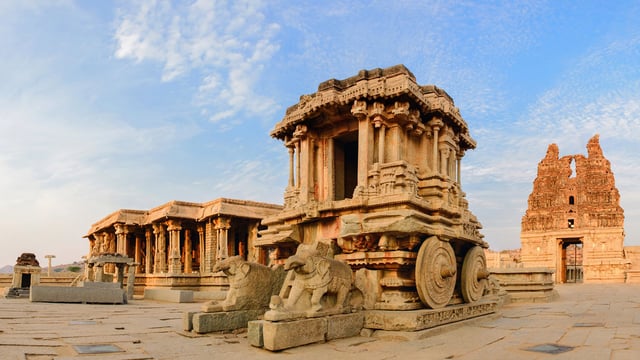
Ancient Indian History for UPSC Prelims
Short notes and practice-focused material on ancient Indian history for UPSC Prelims.
1. Sources, Chronology and Prehistoric India
Meaning of prehistory, protohistory and history
·
Periodization of Ancient Indian History
·
Stone Age, Bronze Age and Iron Age framework
·
Archaeology as a source of ancient history
·
Excavation and stratigraphy
·
Carbon dating and scientific dating methods
·
Archaeobotany and archaeozoology
·
Epigraphy as a historical source
·
Numismatics as a historical source
·
Literary sources of ancient India
·
Vedic literature as a source
·
Buddhist literature as a source
·
Jain literature as a source
·
Sangam literature as a source
·
Foreign accounts of ancient India
·
Inscriptions and copper-plate grants
·
Coins, seals and terracotta objects
·
Pottery cultures and archaeological chronology
·
Prehistoric environment of India
·
Pleistocene and Holocene background
·
Lower Palaeolithic Age
·
Acheulian hand-axe tradition
·
Soan Valley culture
·
Narmada valley prehistoric remains
·
Attirampakkam site
·
Hunsgi-Baichbal valley sites
·
Isampur quarry-cum-workshop
·
Didwana prehistoric site
·
Belan valley sequence
·
Bhimbetka rock shelters
·
Middle Palaeolithic tools
·
Upper Palaeolithic tools
·
Blade and burin industry
·
Kurnool caves
·
Patne site
·
Mesolithic Age
·
Microliths
·
Langhnaj site
·
Bagor site
·
Adamgarh rock shelters
·
Sarai Nahar Rai
·
Mahadaha
·
Chopani Mando
·
Rock art and cave paintings
·
Hunting-gathering economy
·
Early domestication evidence
·
Burial practices in Mesolithic India
·
Fire, shelters and tool-making
·
Regional variations in prehistoric cultures
·
Site-culture mapping for UPSC Prelims
2. Neolithic, Chalcolithic, Megalithic and Early Iron Age Cultures
Neolithic Revolution in India
·
Beginning of agriculture
·
Domestication of animals
·
Mehrgarh culture
·
Kili Gul Muhammad
·
Burzahom site
·
Gufkral site
·
Pit dwellings in Kashmir Neolithic
·
Bone tools in Neolithic Kashmir
·
Belan valley Neolithic culture
·
Koldihwa site
·
Mahagara site
·
Chirand site
·
Neolithic cultures of Bihar
·
Neolithic cultures of North-East India
·
Daojali Hading
·
Sarutaru site
·
South Indian Neolithic culture
·
Ash mounds of South India
·
Utnur site
·
Piklihal site
·
Hallur site
·
Brahmagiri site
·
Sanganakallu-Kupgal complex
·
Tekkalakota site
·
Neolithic stone axes
·
Ground and polished tools
·
Handmade pottery in Neolithic cultures
·
Settled village life
·
Chalcolithic culture: meaning and features
·
Copper and stone tool combination
·
Ahar-Banas culture
·
Kayatha culture
·
Malwa culture
·
Savalda culture
·
Jorwe culture
·
Daimabad site
·
Inamgaon site
·
Nevasa site
·
Navdatoli site
·
Eran site
·
Ochre Coloured Pottery culture
·
Copper Hoard culture
·
Black-and-Red Ware culture
·
Painted Grey Ware background
·
Megalithic culture
·
South Indian megalithic burials
·
Dolmens, cairns, cists and urn burials
·
Iron technology and agricultural expansion
·
Transition from village cultures to early states
3. Indus Valley Civilization / Harappan Civilization
Discovery of Harappan Civilization
·
Harappa and Mohenjo-daro excavations
·
Early, Mature and Late Harappan phases
·
Geographical extent of Harappan Civilization
·
Harappa site
·
Mohenjo-daro site
·
Dholavira site
·
Rakhigarhi site
·
Lothal site
·
Kalibangan site
·
Banawali site
·
Chanhudaro site
·
Sutkagendor site
·
Kot Diji site
·
Amri site
·
Ganweriwala site
·
Bhirrana site
·
Manda and Alamgirpur as boundary sites
·
Town planning in Harappan cities
·
Citadel and lower town
·
Grid pattern of streets
·
Drainage system
·
Great Bath of Mohenjo-daro
·
Granary debate
·
Dockyard at Lothal
·
Water management at Dholavira
·
Fortification of cities
·
Burnt brick architecture
·
Harappan agriculture
·
Major crops of Harappans
·
Domesticated animals
·
Craft specialization
·
Bead-making industry
·
Shell, ivory and faience crafts
·
Metallurgy in Harappan Civilization
·
Seals and sealings
·
Harappan script
·
Weights and measures
·
Internal trade network
·
Mesopotamian trade links
·
Meluhha references
·
Harappan social organization
·
Mother goddess debate
·
Pashupati seal debate
·
Fire altars at Kalibangan
·
Burial practices
·
Absence of clear temple-palace pattern
·
Theories of Harappan political organization
·
Decline of Harappan Civilization
·
Harappan legacy and UPSC site-feature mapping
4. Vedic Age and Later Vedic Age
Vedic culture and its sources
·
Rigveda
·
Samaveda
·
Yajurveda
·
Atharvaveda
·
Brahmanas
·
Aranyakas
·
Upanishads
·
Vedangas
·
Early Vedic geography
·
Sapta Sindhu region
·
Rigvedic rivers
·
Bharatas, Purus and other tribes
·
Battle of Ten Kings
·
Jana, Vish and Grama
·
Rajan in Early Vedic polity
·
Sabha
·
Samiti
·
Vidatha
·
Early Vedic pastoral economy
·
Cattle wealth and gavishti
·
Agriculture in Early Vedic period
·
Early social divisions
·
Position of women in Early Vedic society
·
Early Vedic religion
·
Indra, Agni, Varuna and Soma
·
Rituals and sacrifices
·
Later Vedic expansion into Ganga valley
·
Painted Grey Ware and Vedic context
·
Iron technology in Later Vedic period
·
Agricultural expansion and plough use
·
Emergence of janapadas
·
Growth of monarchy
·
Ratnins and royal officers
·
Bali, Bhaga and Shulka
·
Decline of Sabha and Samiti
·
Consolidation of Varna system
·
Gotra system
·
Ashrama system
·
Patriarchal family structure
·
Position of women in Later Vedic period
·
Rajasuya sacrifice
·
Ashvamedha sacrifice
·
Vajapeya sacrifice
·
Brahmanical ritual dominance
·
Upanishadic philosophy
·
Atman, Brahman, Karma and Moksha
·
Education and gurukula tradition
·
Vedic Age as background to state formation
5. Mahajanapadas, Magadha and Second Urbanization
Sixteen Mahajanapadas
·
Anga
·
Magadha
·
Kashi
·
Kosala
·
Vajji or Vrijji
·
Malla
·
Chedi
·
Vatsa
·
Kuru
·
Panchala
·
Matsya
·
Surasena
·
Assaka
·
Avanti
·
Gandhara
·
Kamboja
·
Monarchical states
·
Gana-sanghas or republican states
·
Vajji confederacy
·
Second Urbanization
·
Northern Black Polished Ware
·
Punch-marked coins
·
Rise of cities
·
Gahapati and Setthi
·
Shrenis or guilds
·
Trade routes of ancient India
·
Uttarapatha
·
Dakshinapatha
·
Factors behind rise of Magadha
·
Iron resources and Magadha
·
Elephants and military strength
·
Fertile middle Ganga plain
·
Bimbisara
·
Ajatashatru
·
Udayin and Pataliputra
·
Haryanka dynasty
·
Shishunaga dynasty
·
Nanda dynasty
·
Mahapadma Nanda
·
Persian contact with north-west India
·
Achaemenid influence
·
Kharoshthi script background
·
Alexander’s invasion
·
Battle of Hydaspes
·
Porus
·
Greek accounts of India
·
Rise of standing armies
·
Taxation and administrative expansion
·
Background to Buddhism, Jainism and Mauryan Empire
6. Religious and Philosophical Movements
Shramana tradition
·
Causes for rise of new religious movements
·
Critique of Vedic ritualism
·
Jainism: basic introduction
·
Rishabhanatha
·
Parshvanatha
·
Mahavira
·
Life of Mahavira
·
Triratna of Jainism
·
Five vows of Jainism
·
Ahimsa in Jainism
·
Anekantavada
·
Syadvada
·
Jiva and Ajiva
·
Karma and liberation in Jainism
·
Digambara sect
·
Shvetambara sect
·
Jain Councils
·
Jain Agamas
·
Spread of Jainism
·
Jainism and merchant communities
·
Buddhist tradition
·
Life of Gautama Buddha
·
Four Noble Truths
·
Eightfold Path
·
Middle Path
·
Dependent origination
·
Anatta or Anatman doctrine
·
Karma, rebirth and Nirvana
·
Buddhist Sangha
·
Vinaya rules
·
First Buddhist Council
·
Second Buddhist Council
·
Third Buddhist Council
·
Fourth Buddhist Council
·
Theravada or Hinayana tradition
·
Mahayana Buddhism
·
Vajrayana background
·
Bodhisattva ideal
·
Tripitaka
·
Jatakas
·
Milindapanho
·
Buddhist sacred sites
·
Stupa and relic worship
·
Merchant patronage of Buddhism
·
Ajivika sect
·
Makkhali Gosala
·
Charvaka or Lokayata tradition
·
Early Vaishnavism and Shaivism
·
Impact of religious movements on society and art
7. Mauryan Empire
Sources for Mauryan history
·
Arthashastra
·
Megasthenes’ Indica
·
Ashokan inscriptions
·
Puranic references
·
Buddhist and Jain traditions on Mauryas
·
Chandragupta Maurya
·
Chanakya or Kautilya
·
Overthrow of Nandas
·
Chandragupta and Seleucus Nicator
·
Megasthenes at Mauryan court
·
Bindusara
·
Ashoka
·
Kalinga War
·
Ashoka’s Dhamma
·
Major Rock Edicts
·
Minor Rock Edicts
·
Pillar Edicts
·
Major Pillar Edicts
·
Ashokan edict locations
·
Languages and scripts of Ashokan inscriptions
·
Brahmi script
·
Kharoshthi script
·
Greek and Aramaic inscriptions
·
Dhamma Mahamatras
·
Mauryan central administration
·
Mantriparishad
·
Amatyas and bureaucracy
·
Provincial administration
·
Pataliputra as imperial capital
·
Arthashastra and Saptanga theory
·
Mandala theory
·
Espionage system
·
Mauryan military organization
·
Revenue administration
·
Land revenue
·
Trade, tolls and taxation
·
State control over mines and forests
·
Agriculture and irrigation
·
Urban administration
·
Judicial administration
·
Mauryan social conditions
·
Mauryan economy
·
Mauryan art
·
Polished stone pillars
·
Sarnath Lion Capital
·
Barabar caves
·
Ashoka and Buddhism
·
Decline of Mauryan Empire
·
Mauryan legacy in Indian polity and culture
8. Post-Mauryan India, Foreign Contacts, Satavahanas and Trade
Post-Mauryan political fragmentation
·
Shunga dynasty
·
Pushyamitra Shunga
·
Kanva dynasty
·
Indo-Greeks
·
Demetrius
·
Menander or Milinda
·
Indo-Greek coinage
·
Shakas or Scythians
·
Western Kshatrapas
·
Rudradaman I
·
Junagadh inscription
·
Parthians
·
Gondophares
·
Kushanas
·
Kujula Kadphises
·
Vima Kadphises
·
Kanishka
·
Kanishka’s empire
·
Kushana capitals: Purushapura and Mathura
·
Kushana administration
·
Kushana coinage
·
Kanishka and Buddhism
·
Gandhara art
·
Mathura art
·
Central Asian contacts
·
Silk Route trade
·
Roman trade with India
·
Periplus of the Erythraean Sea
·
Pliny’s reference to Indian trade
·
Satavahana dynasty
·
Simuka
·
Gautamiputra Satakarni
·
Vashishthiputra Pulumavi
·
Satavahana administration
·
Aharas and administrative divisions
·
Satavahana coinage
·
Prakrit inscriptions
·
Nasik cave inscriptions
·
Karle cave inscriptions
·
Chaityas and viharas in Deccan
·
Amaravati stupa
·
Nagarjunakonda
·
Ikshvakus of Andhra
·
Deccan trade routes
·
Guilds and donations
·
Craft production in post-Mauryan period
·
Indo-Roman ports and trade goods
·
Social assimilation of foreign groups
·
Cultural significance of post-Mauryan period
9. Early South India and Sangam Age
Megalithic background of South India
·
Iron Age in South India
·
Tamilakam geography
·
Sources for Sangam Age
·
Sangam literature
·
Ettuthokai
·
Pattuppattu
·
Tolkappiyam
·
Pathinenkilkanakku texts
·
Three Crowned Kings
·
Early Cholas
·
Karikala Chola
·
Uraiyur
·
Puhar or Kaveripattinam
·
Early Cheras
·
Senguttuvan Chera
·
Muziris port
·
Early Pandyas
·
Madurai
·
Nedunjeliyan
·
Sangam polity
·
Role of chiefs and Velir
·
Hero stones
·
Tinai ecological classification
·
Kurinji landscape
·
Mullai landscape
·
Marutham landscape
·
Neythal landscape
·
Palai landscape
·
Sangam economy
·
Agriculture in Sangam Age
·
Irrigation and tanks
·
Cattle rearing and pastoralism
·
Salt production and fishing
·
Maritime trade
·
Yavanas in South India
·
Roman coins in South India
·
Arikamedu
·
Alagankulam
·
Korkai port
·
Tondi port
·
Social structure in Sangam texts
·
Position of women in Sangam society
·
Sangam religious practices
·
Murugan worship
·
Hero worship
·
Jainism and Buddhism in South India
·
Tamil-Brahmi inscriptions
·
Kalabhra interregnum
·
Sangam site-dynasty-literature mapping
10. Gupta Age and Classical India
Sources for Gupta history
·
Allahabad Pillar inscription
·
Gupta genealogy
·
Sri Gupta and Ghatotkacha
·
Chandragupta I
·
Samudragupta
·
Samudragupta’s conquests
·
Prashasti tradition
·
Harisena
·
Chandragupta II Vikramaditya
·
Defeat of Shakas
·
Kumaragupta I
·
Skandagupta
·
Huna invasions
·
Decline of Gupta Empire
·
Gupta administration
·
Bhukti and Vishaya
·
Uparika and Vishayapati
·
Land grants
·
Feudal tendencies debate
·
Taxation under Guptas
·
Agrarian expansion
·
Guilds under Guptas
·
Gupta coinage
·
Gold dinars
·
Trade and urban centres
·
Society under Guptas
·
Varna-jati structure
·
Position of women
·
References to untouchability
·
Vaishnavism under Guptas
·
Shaivism under Guptas
·
Shakti worship
·
Puranic Hinduism
·
Temple worship
·
Buddhism and Jainism
·
Sanskritization
·
Sanskrit literature
·
Kalidasa
·
Vishakhadatta
·
Shudraka
·
Aryabhata
·
Varahamihira
·
Decimal system and mathematics
·
Ayurveda and medical traditions
·
Gupta art
·
Sarnath school of art
·
Mathura school during Gupta period
·
Ajanta paintings
·
Gupta Age: Golden Age debate and UPSC cautions
11. Post-Gupta, Harsha and Early Medieval Regional Kingdoms
Later Guptas
·
Maukharis
·
Pushyabhuti dynasty
·
Harshavardhana
·
Harshacharita
·
Banabhatta
·
Xuanzang’s account
·
Harsha’s administration
·
Kanauj as political centre
·
Harsha’s religious policy
·
Nalanda under Harsha
·
Shashanka of Gauda
·
Maitrakas of Valabhi
·
Vakatakas
·
Pravarasena and Vakataka polity
·
Vakatakas and Ajanta
·
Pallavas
·
Simhavishnu
·
Mahendravarman I
·
Narasimhavarman I
·
Kanchipuram
·
Mamallapuram
·
Chalukyas of Badami
·
Pulakeshin II
·
Aihole inscription
·
Pallava-Chalukya conflict
·
Rashtrakutas
·
Dantidurga
·
Krishna I
·
Amoghavarsha
·
Kailasa temple at Ellora
·
Eastern Chalukyas of Vengi
·
Western Chalukyas in late 10th century
·
Palas of Bengal
·
Gopala
·
Dharmapala
·
Devapala
·
Vikramashila and Odantapuri
·
Gurjara-Pratiharas
·
Nagabhata I
·
Mihira Bhoja
·
Tripartite struggle for Kannauj
·
Rajput political formation
·
Chahamanas or Chauhans
·
Paramaras
·
Chandellas
·
Kashmir under Karkotas
·
Lalitaditya Muktapida
·
Arab conquest of Sindh
·
Early Cholas up to Rajaraja I
12. Society, Economy, Art, Architecture, Literature and Science up to 1000 AD
Varna system in ancient India
·
Jati formation
·
Purusharthas
·
Dharmashastra tradition
·
Manusmriti
·
Yajnavalkya Smriti
·
Marriage forms
·
Stridhana
·
Position of women in ancient India
·
Untouchability and social exclusion
·
Slavery and labour relations
·
Social mobility and Sanskritization
·
Brahmadeya grants
·
Agrahara settlements
·
Temple economy
·
Peasantization and tribal integration
·
Guilds and craft organizations
·
Inland trade routes
·
Maritime trade routes
·
Ancient ports of India
·
Coinage and monetization
·
Urbanization phases
·
Stupa architecture
·
Chaitya halls
·
Viharas
·
Rock-cut architecture
·
Temple architecture basics
·
Nagara style
·
Dravida style
·
Vesara style
·
Gupta temples
·
Pallava architecture
·
Chalukya architecture
·
Rashtrakuta architecture
·
Early Odisha/Kalinga architecture
·
Early Khajuraho temples
·
Gandhara school of art
·
Mathura school of art
·
Amaravati school of art
·
Bagh paintings
·
Ellora caves
·
Hindu, Buddhist and Jain iconography
·
Sanskrit, Prakrit, Pali and Tamil literature
·
Panini, Patanjali and grammar tradition
·
Mathematics and astronomy
·
Ayurveda, surgery and metallurgy
·
Ancient universities and centres of learning: Taxila, Nalanda, Valabhi, Vikramashila