
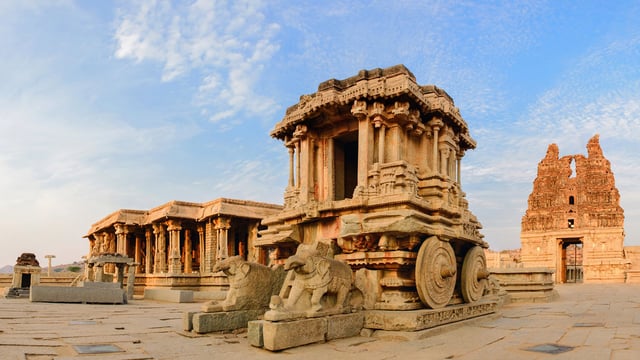
The Gupta Age (4th to 6th Century CE) represents the peak of classical Indian art, characterized by a transition from the raw, robust structural forms of the Kushana period to a refined, sophisticated, and idealized aesthetic. Gupta art was backed by imperial patronage and a booming economy driven by merchant guilds (shrenis). This environment allowed for the synthesis of indigenous artistic traditions with a standardized iconography. The period established classical canons of proportion, mudras, and drapery that influenced South Asian and Southeast Asian art for centuries.
Intellectual and Religious Pluralism
Gupta art was not monolithic; it flourished under a policy of religious tolerance practiced by the Gupta monarchs. Although the emperors were predominantly Paramabhagavatas (devout Vaishnavites), they patronized Buddhist and Jain artistic centers. This pluralism led to simultaneous advancements in Brahmanical, Buddhist, and Jain art, making the era a benchmark for secular artistic development.
Structural Temple Architecture and Evolution
Transition from Rock-Cut to Structural Forms
The Gupta period initiated the transition from rock-cut cave architecture to permanent, free-standing structural stone temples. This shift marked the beginning of classical North Indian temple architecture, laying down the structural archetypes that evolved into the formal Nagara style.
The Five Stages of Gupta Temple Evolution
Historians classify the development of Gupta temples into five distinct chronological stages based on structural complexity:
- Stage 1 (Flat-roofed, Square Temples): Characterized by a square sanctum (garbhagriha) with a flat roof and a shallow pillared portico (mandapa). The structures are built on low platforms. Example: Temple No. 17 at Sanchi.
- Stage 2 (High Platform and Pradakshina Patha): Maintained the flat roof but introduced a higher platform (jagati) and an enclosed covered ambulatory path (pradakshina patha) around the sanctum, creating a sandhara plan. Example: Parvati Temple at Nachna Kuthara.
- Stage 3 (Introduction of the Shikhara): The defining innovation where a curvilinear or pyramidal tower (shikhara) was built over the flat roof of the square sanctum. The low platform was replaced by a high, stratified plinth. Example: Dashavatara Temple at Deogarh.
- Stage 4 (Rectangular Layouts with Barrel Vaults): Featured rectangular temples with barrel-vaulted roofs, displaying an architectural plan similar to Buddhist chaitya halls. Example: Kapoteswara Temple at Chezerla.
- Stage 5 (Circular Temples with Outbuildings): Characterized by circular temple layouts with projecting rectangular components on the cardinal faces. Example: Maniyar Math at Rajgir.
Key Architectural Elements of a Gupta Temple
- Garbhagriha (Sanctum Sanctorum): A plain, unadorned square room designed to house the principal deity, symbolizing the spiritual core of the temple.
- Mandapa (Portico): A pillared entrance hall preceding the sanctum, used for congregational purposes.
- Ornate Doorways: The doorways of the garbhagriha were the most decorated parts of the temple. They featured carvings of foliage, mithuna (amorous couples), and specific figures of the river goddesses Ganga (standing on her mount, the Makara or crocodile) and Yamuna (standing on her mount, the Kurma or tortoise) flanking the entrance to symbolically purify the devotee.
Sculptural Art and Schools of Thought
Characteristics of Gupta Sculpture
Gupta sculpture moved away from the physical realism and heavy drapery of the Gandhara school and the sensory robustness of the Mathura school. Instead, it focused on spiritual expressions, characterized by downcast eyes (nasikagra drishti), serene countenances, transparent or wet-look drapery (sanghati) that lacked deep folds, and highly ornate, elaborately carved halos (prabhamandala).
Major Regional Sculptural Centers
- Sarnath School of Art: Characterized by plain, transparent drapery without any folds, clinging closely to the body. The sculptures use cream-colored Chunar sandstone and emphasize geometric balance and an inner spiritual calm.
- Mathura School of Art: Retained the use of spotted red sandstone. It modified its earlier Kushana robust style by introducing delicate execution, curly hair patterns, and thin, diaphanous robes with fine, schematic folds.
- Pataliputra School of Art: Known for metal-casting and terracotta works, combining the stylistic elements of both the Mathura and Sarnath traditions.
Iconic Sculptural Masterpieces
- The Sultanganj Buddha: A colossal, 7.5-foot-high copper statue cast via the cire perdue (lost-wax) method, discovered in Bhagalpur, Bihar. It represents the Sarnath style with completely smooth, transparent robes and an expression of absolute peace.
- Sarnath Seated Buddha (Dharmachakra Pravartana): A sandstone sculpture depicting the Buddha delivering his first sermon. He is shown seated in padmasana, holding his hands in the dharmachakra mudra, with a large, intricately carved circular halo behind his head.
- Varaha Avatar at Udayagiri Caves: A monumental rock-cut relief panel in Cave 5 at Udayagiri, Madhya Pradesh. It depicts Vishnu in his boar incarnation rescuing the earth goddess, Bhudevi. This sculpture serves as a political metaphor for the military protection and stability provided by the Gupta rulers.
Rock-Cut Cave Architecture and Mural Paintings
The Ajanta Caves (Vakataka-Gupta Synchronism)
Located in Aurangabad district, Maharashtra, Ajanta consists of 29 rock-cut Buddhist caves (both Chaityas and Viharas). While the earliest caves date to the Satavahana period, the majority of the sophisticated structural excavations and mural paintings were completed during the 5th century CE under the patronage of the Vakatakas, who were close allies and contemporaries of the Guptas.
- The Fresco Secco Technique: The paintings were executed using the fresco secco method, applying mineral pigments onto a dry plaster layer composed of clay, cow dung, and rice husks mixed with lime.
- Iconic Murals: Key paintings include the Bodhisattva Padmapani (holding a blue lotus, representing compassion) and the Bodhisattva Vajrapani (holding a thunderbolt, representing power) guarding the entrance to the sanctuary in Cave 1, as well as the narrative panels depicting the Jataka tales.
The Bagh Caves
Situated in Dhar district, Madhya Pradesh, the Bagh Caves consist of nine rock-cut Buddhist monasteries. The architectural plan mirrors the Ajanta viharas, but the rock medium is a softer clayey sandstone, which has caused significant degradation.
- Secular Themes: The paintings at Bagh are more secular and contemporary in nature compared to Ajanta. They depict courtly life, musical performances (hallisaka dance), processions of elephants, and ordinary civilian clothing styles of the Gupta era.
The Ellora Caves (Early Phase)
The earliest excavations at Ellora (Caves 1 to 12) began during the late Gupta and Kalachuri periods. These early Buddhist caves feature large, multi-storied vihara plans with massive pillars and large carved images of the Buddha flanked by various Bodhisattvas.
Comparative Matrix of Prominent Gupta Monuments
| Monument Name | Material Used | Architectural / Sculptural Style | Distinctive Feature for UPSC Prelims |
| Dashavatara Temple, Deogarh | Red Sandstone | Stage 3 Structural Temple; Early Nagara style | Features a 45-foot shikhara, panchayatana layout, and panels of Anantasayana Vishnu. |
| Bhitargaon Temple, Kanpur | Terracotta and Baked Bricks | Brick Structural Style | One of the oldest surviving brick temples with a tall pyramidal shikhara and arched vaults. |
| Udayagiri Caves, Vidisha | Rock-cut Sandstone Hill | Brahmanical and Jain Cave Art | Cave 5 contains the Varaha relief panel; contains inscriptions dating to the reign of Chandragupta II. |
| Sultanganj Buddha | Pure Copper (Lost-wax casting) | Sarnath School of Metal Sculpture | Weighs over one ton; displays an expression of karuna (compassion) with smooth drapery. |
| Nachna Kuthara Temple | Ashlar Masonry Stone | Stage 2 Flat-roofed Temple | Contains an inner sanctum surrounded by a dark, roofed ambulatory path (pradakshina patha). |
Terracotta Art and Minor Crafts
Terracotta Sculptures for the Masses
While stone and metal art enjoyed royal court patronage, terracotta art was popular among the common people and urban elite (nagarikas). Large-scale terracotta relief panels were used to decorate the exterior walls of brick temples like those at Bhitargaon, Ahichchhatra, and Sravasti. These plaques depicted scenes from the Ramayana, Mahabharata, Puranic myths, and everyday human activities like wrestling, dancing, and playing board games.
Numismatic Art and Iconography
The gold coinage of the Guptas, known as Dinars, represents a high point in ancient minting technology and numismatic design. The coins show advanced physiological rendering and dynamic poses of the emperors.
- Iconographic Types: The coins depict the kings in various roles, such as the Archer Type, Lion-Slayer Type, Chakravikrama Type (receiving divine symbols from Vishnu), and the Asvamedha Type (commemorating horse sacrifices).
- Cultural Markers: The Lyrist Type coins issued by Samudragupta depict the emperor seated on a couch playing the musical instrument veena, providing contemporary evidence of royal interest in the performing arts.
Key Historical Trivia and Prelims Pointers
The Panchayatana Style Layout
The Dashavatara Temple at Deogarh is one of the earliest examples of the Panchayatana temple layout in India. In this architectural arrangement, the main shrine containing the principal deity is built on a central elevated plinth, surrounded by four smaller subsidiary shrines at the four corners of the platform, creating a symbolic cosmic mandala.
The Iron Pillar of Mehrauli
Located in the Qutb Minar complex in Delhi, this 23-foot-high monolithic iron pillar carries a Sanskrit inscription in the Brahmi script attributing its manufacture to King “Chandra” (identified as Chandragupta II Vikramaditya). It stands as a testament to the advanced metallurgy of the Gupta period, having resisted corrosion and rust for over 1,600 years due to the application of a high-phosphorus protective film during forge-welding.
The Evolution of the Prabhamandala
The halo (prabhamandala) behind the head of divine figures underwent a significant evolution during this period. In the preceding Kushana era, halos were plain with simple scalloped edges. Gupta artists transformed the halo into a complex piece of art, filling its surface with concentric bands of floral scrolls, foliage patterns, geese (hamsa motifs), and geometric pearl borders.
Last Modified: June 15, 2026