
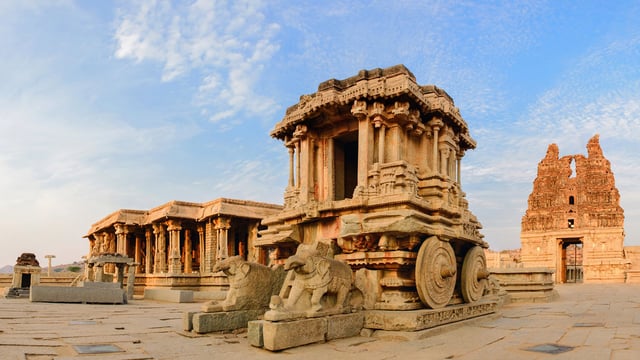
The Shramana tradition emerged in the Indo-Gangetic plain around the 6th century BCE, coinciding with the era of Second Urbanization. This period witnessed significant socio-economic transformations, the rise of powerful Mahajanapadas, and the growth of trade and urban centers. The dominant Vedic religion, characterized by complex rituals, expensive sacrifices (Yajnas), and the rigid Chaturvarnya (four-tier caste) system, faced growing discontent. Kshatriyas, wealthy Vaishyas (gahapatis), and marginalized sections sought alternative socio-religious frameworks, leading to the rise of Heterodox sects or the Shramana movement.
Core Philosophy and Features
The term ‘Shramana’ is derived from the Sanskrit root Shram, meaning to exert oneself or perform austerity. Unlike the orthodox (Astika) Vedic traditions, Shramana traditions are classified as Heterodox (Nastika) because they reject the infallible authority of the Vedas.
Key Theological Tenets
- Rejection of Vedic Authority: Shramanas denied the divine origin and infallibility of the Vedas, viewing them as human compositions rather than cosmic revelations.
- Denial of Creator God: Most Shramana schools, particularly Buddhism and Jainism, either rejected the concept of a creator deity or deemed it irrelevant to human liberation.
- Austerity and Renunciation: True knowledge and liberation were pursued through asceticism, self-mortification, or disciplined meditation, wandering away from household life (Pravrajya).
- Universalism and Social Equality: The tradition rejected the birth-based caste system, opening the doors of spiritual liberation and monastic life to all sections of society, including women and Shudras.
Paradigm Shift in Cosmological Concepts
The Shramana tradition radically redefined existing spiritual concepts, which later influenced mainstream Indian philosophy.
| Concept | Vedic Interpretation | Shramana Interpretation |
| Karma | Ritualistic actions and accurate performance of sacrifices. | Intentional moral actions (ethical cause and effect). |
| Samsara | Continuation of lineage through ancestral rites (Pitri-yana). | The endless cycle of rebirth, suffering, and transmigration of the soul/consciousness. |
| Moksha / Nirvana | Attainment of heaven (Svarga) through rituals and rituals. | Absolute liberation from the cycle of Samsara through knowledge and self-control. |
Major Schools of Shramana Tradition
The Shramana movement was highly pluralistic, comprising several major and minor philosophical schools. The Brahmajala Sutta of the Digha Nikaya mentions 62 such heterodox sects, while Jain texts mention over 300.
Buddhism (Bauddha Dharma)
Founded by Siddhartha Gautama (Buddha), a Kshatriya prince of the Shakya clan. It advocated the “Middle Path” (Madhyama Pratipada), avoiding the extremes of severe asceticism and sensual indulgence.
- Core Doctrines: Four Noble Truths (Arya Satyas) and the Eightfold Path (Ashtangika Marga).
- Key Philosophies: Pratityasamutpada (Dependent Origination), Anatta (Non-self), and Anicca (Impermanence).
Jainism (Jaina Dharma)
While traceably ancient through 24 Tirthankaras, it gained prominent historical momentum under Vardhamana Mahavira, the 24th Tirthankara. It emphasized extreme asceticism and rigorous self-mortification.
- Core Doctrines: Triratna (Right Faith, Right Knowledge, Right Conduct) and Pancha Mahavratas (Five Great Vows).
- Key Philosophies: Anekantavada (Theory of Plurality of Viewpoints), Syadvada (Relativity of Knowledge), and Ahimsa (Non-injury taken to its logical extreme).
Ajivika Philosophy
Founded by Makkhali Gosala, a contemporary of Buddha and Mahavira. It was a highly influential fatalistic sect during the Mauryan period, patronized by Emperor Bindusara and Ashoka (who gifted the Barabar Caves to them).
- Core Doctrine: Niyati (Absolute Determinism or Fate). Human effort or karma has no power to alter the course of life; cosmic destiny determines everything.
Charvaka / Lokayata School
Founded by Ajita Kesakambali (or systematically attributed to Sage Brihaspati). It represents the materialist, atheist, and empiricist wing of the Shramana movement.
- Core Doctrine: Deha-vada or Materialism. It accepted perception (Pratyaksha) as the only valid source of knowledge (Pramana). It completely denied the existence of soul, afterlife, karma, and rebirth, urging individuals to maximize worldly happiness.
Other Notable Heterodox Contemporary Teachers
Purana Kassapa (Ariyavada / Amoralism)
He denied the moral consequence of actions. According to this school, performing virtuous acts like charity yields no merit, and committing sins or acts of violence accumulates no demerit.
Pakudha Kaccayana (Sattavada / Atomism)
He postulated that the universe is composed of seven uncreated, unalterable, and eternal elements: Earth, Water, Fire, Air, Pleasure, Pain, and the Soul. These elements do not interact to create new matter; even killing a person merely means a weapon passing through the spaces between these elements.
Sanjaya Belatthiputta (Ajnanavada / Agnocism)
He avoided taking definitive stances on metaphysical questions, such as the existence of an afterlife or karma. This systematic skepticism was designed to prevent intellectual attachment and maintain peace of mind.
Impact on Indian Society, Literature, and Architecture
The Shramana movement catalyzed deep institutional changes across the Indian subcontinent, breaking monopolies on education and spirituality.
Language and Literature
- Vernacular Mediums: Shramana teachers rejected Sanskrit (the language of Vedic elites) and preached in local dialects. Buddhism adopted Pali, while Jainism adopted Ardhamagadhi and Prakrit, democratizing access to knowledge.
- Canon Formation: Led to the creation of extensive canonical literatures like the Tripitakas (Sutta, Vinaya, Abhidhamma) in Buddhism and the Angas and Upangas in Jainism.
Art and Architecture
- Monastic Institutions: The development of structural and rock-cut architecture. Monasteries (Viharas) and prayer halls (Chaityas) were carved out of mountains, such as Ajanta, Ellora, Karle, and Bhaja caves.
- Stupa Architecture: The construction of hemispherical mounds over the relics of Buddha and other masters, leading to monumental art at Sanchi, Bharhut, and Amravati.
Socio-Political Transformation
- Royal Patronage: Kings like Bimbisara, Ajatashatru, Ashoka, Kanishka, and Harshavardhana embraced these traditions, using their principles to govern diverse empires and establishing welfare-oriented states.
- Economic Integration: The non-violent doctrine (Ahimsa) prohibited animal sacrifices, protecting the cattle wealth necessary for the expanding agrarian economy and boosting domestic and maritime trade led by Vaishya guilds.
Comparative Overview of Orthodox vs. Heterodox Traditions
The fundamental differences between the Brahmanical (Vedic) structure and the Shramana systems defined the religious dynamics of ancient India.
| Parametric Feature | Vedic / Brahmanical Tradition | Shramana Tradition |
| Source of Truth | Shruti (Vedas and Upanishads). | Personal experience, logic, and realization. |
| Social Order | Varna-Ashrama Dharma (Strict caste hierarchy). | Egalitarian Sanghas (Casteless spiritual assembly). |
| Path to Liberation | Karma-marga (rituals) and Jnana-marga (intellectual inquiry). | Sannyasa (Renunciation), Yoga, and Sila (Ethical Conduct). |
| Priesthood | Highly dependent on Brahmin priests for mediation. | Self-reliant; emphasis on individual spiritual effort. |
Historical Decline and Synthesis
By the late classical period, the distinct boundaries of the Shramana traditions began to blur. The decline was accelerated by internal corruption in wealth-heavy monasteries, the loss of royal patronage to the Gupta and Rajput rulers, and devastating foreign invasions that targeted large monastic universities like Nalanda and Vikramashila. Simultaneously, the Brahmanical religion underwent a massive internal reformation during the Puranic Renaissance. It integrated elements of the Shramana tradition—such as adopting non-violence (Ahimsa), ending large-scale animal sacrifices, elevating the Buddha to the status of the ninth avatar of Vishnu, and adopting the monastic organizational template (Advaita Vedanta’s Dashanami Sampradaya founded by Adi Shankara). This synthesis eventually absorbed major parts of the Shramana identity back into the broader fabric of Indian philosophy.
Last Modified: June 11, 2026