
In the study of Ancient Indian History, archaeology serves as the foundational source of data. While literary sources are often prone to interpolations, subjective biases, exaggeration, and copying errors, archaeological sources provide tangible, material evidence. Archaeology is the primary tool for reconstructing the long, unwritten chapters of human existence (Prehistory and Protohistory) and acts as an essential corroborative tool for the Historical period.
Major Components of Archaeological Sources
Archaeological sources are broadly classified into four major material categories, each providing unique insights into the socio-economic, political, and cultural aspects of ancient societies.
1. Epigraphy (Study of Inscriptions)
Epigraphy provides the most reliable and chronological data for rewriting ancient history. Inscriptions were carved on stone pillars, rocks, temple walls, copper plates, and clay seals.
- Political Data: Inscriptions record dynastic genealogies, territorial conquests, and administrative decrees. For example, the Junagarh Rock Inscription of Rudradaman (c. 150 CE) provides details about the construction and repair of the Sudarsana Lake, mentioning Chandragupta Maurya and Ashoka.
- Socio-Economic Data: Copper plate grants (Tamrapátras) recorded land donations made to Brahmins (Agraharas) or monasteries, revealing changes in land ownership and the rise of feudal structures during the Gupta and Post-Gupta eras.
- Religious Trends: Inscriptions track the spread of religious sects. The Besnagar Pillar Inscription of Heliodorus (2nd Century BCE) records the erection of a Garuda pillar in honor of Vasudeva (Vishnu) by a Greek ambassador, proving the adoption of Vaishnavism by foreigners.
2. Numismatics (Study of Coins)
Coins serve as important economic indicators and reflect the political stability, technological skills, and geographical reach of ancient states.
- Chronological Markers: Coins often carry names, titles, and regnal years of kings. The reconstruction of the history of the Indo-Greeks (who ruled northwestern India) relies almost entirely on their detailed bilingual and bi-scriptural coinage.
- Economic Prosperity and Trade: The purity and volume of metal used in coins indicate economic health. The abundance of gold coins issued by the Kushanas and Guptas highlights booming international and domestic trade. Conversely, the debasement of gold and silver coins in the late Gupta period points toward economic decline.
- Cultural and Religious Depictions: Images minted on coins illustrate contemporary religious beliefs and royal interests. For example, the Samudragupta Lyrist-type coins depict the emperor playing the Veena, proving his personal musical talents, while his Ashvamedha-type coins validate his imperial sacrifices.
3. Excavated Material Remains (Artifacts and Monuments)
This category includes town planning, residential buildings, tools, pottery, sculptures, and weapons recovered through archaeological digs.
- Technological Evolution: The transition from stone tools (Paleolithic/Mesolithic) to advanced metallurgy (Bronze/Iron Ages) tracks human cognitive and economic development.
- Socio-Economic Stratification: Excavations of settlement layouts reveal social hierarchies. In the Indus Valley Civilization, towns were divided into a fortified Citadel (likely for the ruling elite) and a Lower Town (inhabited by commoners, artisans, and merchants).
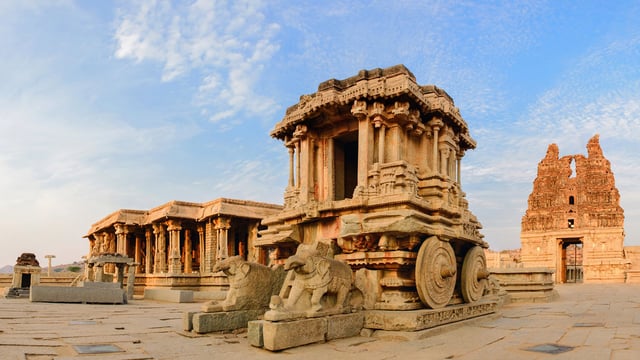
- Art and Architecture: Monuments display structural engineering skills and aesthetic values. The evolution of Indian architecture is mapped from the rock-cut caves of Barabar (Mauryan) to the standalone structural temples of the Guptas (e.g., Deogarh temple) and the rock-cut monolithic marvels of the Pallavas and Chalukyas.
4. Pottery (The ABC of Archaeology)
Pottery is considered the index of technological advancement and the distinct cultural identity of a period. Because pottery shards are durable and change styles quickly over time, they act as reliable diagnostic markers for archaeological layers.
- Ochre Coloured Pottery (OCP): Typically associated with early late-Bronze Age and early Chalcolithic cultures in the Doab region.
- Painted Grey Ware (PGW): Fine, grey pottery decorated with geometric designs, acting as the technological marker for the Later Vedic Period (c. 1000–600 BCE).
- Northern Black Polished Ware (NBPW): A highly glossy, luxury earthenware with a mirror-like finish, marking the peak of the Second Urbanization and the Mauryan administrative era.
Scientific Methodologies in Archaeology
Modern archaeology relies heavily on scientific techniques to determine exact timelines and paleo-environmental contexts.
- Stratigraphy: Based on the geological law of superposition, which states that lower layers of earth are older than those above them. It helps establish relative chronology.
- Radiocarbon Dating (C-14): Measures the decay of the radioactive carbon isotope (14C) in organic materials like charcoal, wood, and bone to provide an absolute date.
- Dendrochronology: Dates wooden samples by matching the growth rings of trees.
- Paleobotanical and Geo-archaeological Studies: The study of ancient pollen grains and plant seeds (Phytoliths) helps reconstruct past climate patterns, forest cover, and agricultural choices. For instance, rice husks found in the pottery at Lothal and Rangpur provided early evidence of Harappan rice cultivation.
Comparative Synthesis: Literary vs. Archaeological Sources
| Feature | Literary Sources | Archaeological Sources |
| Nature of Evidence | Intangible thoughts, narratives, and oral transmissions committed to writing. | Tangible, material remains, structural ruins, and physical artifacts. |
| Objectivity | Highly subjective; prone to courtly exaggerations, religious biases, and political patronage. | Highly objective; physical artifacts cannot intentionally lie or distort facts. |
| Chronological Precision | Often lacks exact dates; texts underwent centuries of modifications (e.g., Epics). | Inscriptions and coins provide precise regnal years; C-14 provides absolute scientific dates. |
| Scope of Reconstruction | Confined mostly to the literate elite, urban centers, and major court circles. | Broad scope; covers all strata of society, including rural life, tech evolution, and pre-literate eras. |
Key Archaeological Epigraphs and Coins for Prelims
Inscriptions to Remember
- Sohgaura Copper Plate (Gorakhpur, UP): The earliest known Mauryan copper plate inscription. Written in Brahmi script, it mentions famine relief measures and state-controlled storehouses (Koshthagara).
- Aihole Inscription of Pulakeshin II: Composed by his court poet Ravikirti in Sanskrit (using the Kannada-Telugu script). It details the military victory of the Western Chalukyan King Pulakeshin II over Harshavardhana of Kannauj on the banks of the Narmada River.
- Hathigumpha Inscription of Kharavela: A natural cavern inscription in Udayagiri hills (Odisha) written in Prakrit. It serves as the primary source for the achievements of the Kalinga King Kharavela, including the first epigraphic mention of the term Bharatavarsha.
Numismatic Milestones
- Punch-Marked Coins (PMR): Made mostly of silver and occasionally copper, these are India’s earliest coins (c. 6th Century BCE). They lack inscriptions and bear only stamped symbols like hills, trees, fish, and animals.
- Indo-Greek Coins: Introduced the practice of minting ruler portraits, names, and exact titles on coins, converting coinage from a purely economic tool into a rich political source.
- Kushana Gold Coins: Issued on the Roman weight standard. Emperor Vima Kadphises was the first to introduce extensive gold coinage in India, heavily featuring Shaivite motifs like Shiva holding a trident alongside the Nandi bull.