
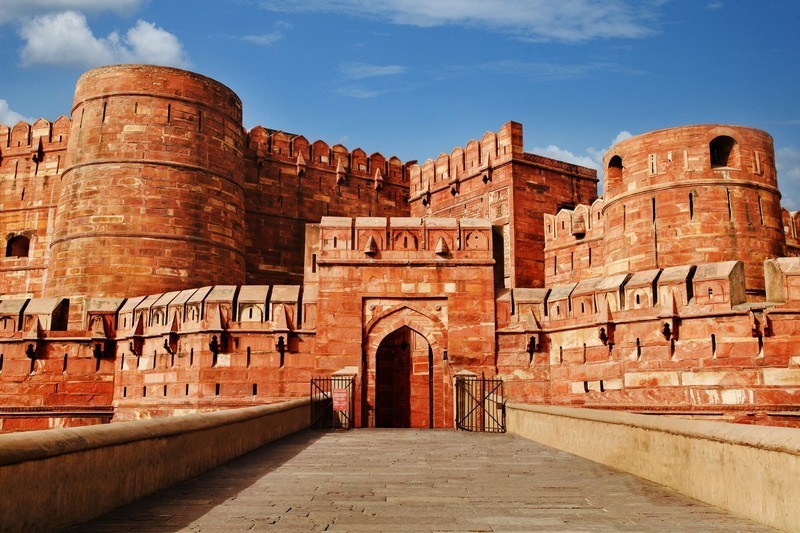
Kannauj, situated in the fertile Gangetic plains of present-day Uttar Pradesh, served as the ultimate symbol of imperial legitimacy in early medieval India. Following the decline of the Vardhana dynasty, specifically after the death of Harshavardhana in 647 CE, the city’s strategic location and historical prestige made it the most coveted prize for rising regional powers.
The Tripartite Struggle: An Overview
The Tripartite Struggle was a century-long conflict (8th to 10th century CE) involving three major imperial powers of the Indian subcontinent:
- The Palas (Eastern India): Based in Bengal and Bihar.
- The Gurjara-Pratiharas (Western/North India): Based in Gujarat and Rajasthan.
- The Rashtrakutas (Deccan India): Based in the Deccan region.
The conflict was primarily driven by the belief that control over Kannauj provided the moral and political authority to rule Northern India, a tradition established during the reign of Harsha.
Key Dynastic Participants
| Dynasty | Region | Notable Rulers |
| Palas | Bengal & Bihar | Gopala, Dharmapala, Devapala |
| Gurjara-Pratiharas | Gujarat & Rajasthan | Vatsaraja, Nagabhata II, Mihira Bhoja |
| Rashtrakutas | Deccan | Dhruva, Govinda III, Amoghavarsha |
Factors Driving the Conflict
- Symbolic Prestige: Kannauj was the seat of power for the legendary Harshavardhana. Occupying it was seen as a “divine” right to be acknowledged as the Chakravartin (Universal Ruler).
- Strategic Geography: The city occupied a central position in the Gangetic Doab, providing access to rich agricultural resources, control over trade routes connecting the North to the Deccan, and logistical advantages for military campaigns.
- Regional Hegemony: Each power sought to prevent the others from dominating the northern plains, leading to a stalemate that shifted power balances frequently.
Chronology of Power Shifts
The struggle witnessed a complex “merry-go-round” of power where no single dynasty could maintain absolute control for long:
- Initial Phase: Vatsaraja (Pratihara) and Dharmapala (Pala) clashed early. Dhruva (Rashtrakuta) descended from the south, defeated both, but retreated to the Deccan, leaving the northern powers in a state of flux.
- Pala Dominance: Dharmapala briefly installed his own nominee, Chakrayudha, on the throne of Kannauj, making it a vassal state.
- Pratihara Ascendancy: Nagabhata II (Pratihara) later defeated Dharmapala, drove out Chakrayudha, and solidified Pratihara control over Kannauj for a significant period.
- Rashtrakuta Intervention: Rashtrakuta rulers, particularly Govinda III, played the role of “kingmakers” or spoilers, periodically invading the North to humble the Pratiharas and Palas whenever they grew too powerful.
Consequences of the Struggle
- Mutual Weakening: The prolonged warfare drained the financial and military resources of all three empires. This exhaustion left them vulnerable to later foreign incursions.
- Political Fragmentation: The inability of any single power to unite North India permanently facilitated the rise of smaller, independent regional kingdoms (such as the Paramaras, Chauhans, and Chandellas).
- Shifting Economic Centers: While Kannauj remained a focal point, the constant instability led to the growth of other regional urban centers and markets, as noted in the Siyadoni inscriptions, which highlight the commercial importance of towns outside the direct theater of war.
- End of the Struggle: By the 10th century, the Pratiharas declined significantly, and the Rashtrakutas were eventually replaced by the Chalukyas of Kalyani. The rise of these newer regional powers effectively ended the Tripartite Struggle.
UPSC Trivia for Prelims
- Matsya Nyaya: Historical texts describe the period of anarchy in Bengal before the rise of the Pala dynasty as Matsya Nyaya (Law of the Fishes), where “might is right.” The election of Gopala by local chieftains to end this anarchy is a unique event in early medieval history.
- Title Adoption: Rulers involved in this conflict, such as Dharmapala, frequently adopted grandiloquent imperial titles like Parameshwara, Paramabhattaraka, and Maharajadhiraja to legitimize their claims over Kannauj.
- Geographic Buffer: The Vindhya and Satpura mountain ranges acted as significant geographical barriers, which the Rashtrakutas had to cross repeatedly to engage in the politics of the Gangetic plain, making their northern campaigns logistically challenging.