
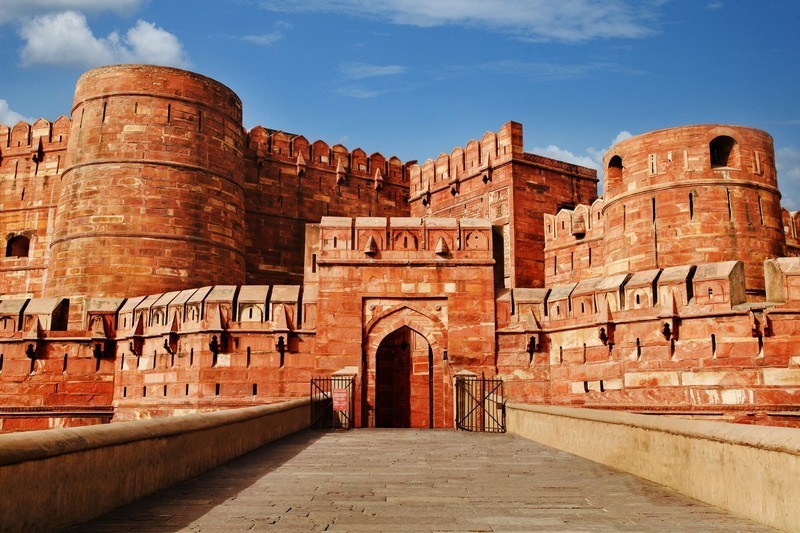
The period between 600 CE and 1200 CE witnessed a profound transformation in the Kshatriya identity. Traditionally defined by the Vedic four-fold varna system as the warrior and ruling estate, the status of the Kshatriya underwent a process of democratization and fragmentation, largely driven by the need for political legitimacy among rising local chieftains and landed elites.
Socio-Political Dynamics of Kshatriya Status
The concept of the Kshatriya moved from a rigid, birth-based varna category to a functional and aspirational political identity. This shift was essential for state formation in a period of decentralized power.
- Political Legitimacy and Rituals: As local tribal chieftains and military adventurers consolidated power, they sought legitimacy from the Brahminical order. The performance of Vedic rituals, such as the Hiranyagarbha (the golden womb ceremony), became the primary mechanism to confer the status of ‘Kshatriya’ upon these non-traditional rulers.
- Genealogical Fabrication: Professional genealogists and court poets were employed to construct elaborate, mythological pedigrees for emerging dynasties. Rulers were routinely linked to the solar (Suryavansha) or lunar (Chandravansha) lineages, and occasionally to the fire-born (Agnikula) myth, to establish a connection with the epic heroes of the past.
- The Rajput Transition: The term ‘Rajaputra’ (son of a king) evolved into ‘Rajput.’ This served as an umbrella identity that allowed diverse ethnic and tribal groups—including the Hunas, Gurjaras, and indigenous forest-dwelling clans—to be incorporated into the high-status ruling hierarchy.
Economic Foundations of the Warrior Class
Kshatriya identity in this period was inextricably linked to the control of land and the management of agrarian economies.
- Land Grants and Feudalism: The expansion of land grants (brahmadeya and agrahara) facilitated the clearing of forests and the settlement of new territories. Warrior chiefs who provided protection to these settlements effectively became the landed nobility, reinforcing their status through the control of revenue.
- Sub-infeudation: The hierarchy of power—from the Maharajadhiraja (great king) down to the local Samanta (feudal lord)—mirrored the structure of the warrior class. Wealth was distributed through these layers, and the ability to hold land directly dictated one’s placement within the military-administrative hierarchy.
- Temple Patronage: Kshatriya rulers functioned as the primary patrons of the temple economy. By donating land and wealth to temples, rulers not only ensured religious merit but also tied their political authority to the institutional stability of the temple, which acted as a bank and social center.
Cultural Dimensions and Societal Integration
The cultural role of the Kshatriya was to act as a bridge between the traditional Brahminical orthodoxy and the diverse, regional cultures of the people they ruled.
- Puranic Hinduism: Rulers often adopted and patronized Puranic Hinduism, which provided a more accessible religious framework than the earlier, more restrictive Vedic practices. This allowed for the integration of local folk deities into the state-sponsored religious hierarchy.
- Martial Culture: The culture of the period emphasized physical prowess, chivalry, and the performance of martial duties. This ethos fostered a distinct aesthetic and behavioral code that distinguished the Kshatriya from the merchant and agrarian classes.
- Sanskritization: The imitation of high-status rituals by upwardly mobile groups fueled the spread of Sanskrit as the language of administration and culture. This linguistic and ritual standardization helped homogenize the elite across geographically distinct regions.
Key Aspects of Kshatriya Proliferation
| Aspect | Description |
|---|---|
| Source of Status | Power-based (temporal) rather than exclusively birth-based. |
| Legitimation | Brahmins provided genealogical validation via Puranic texts. |
| Ethnic Inclusivity | Absorption of tribal chiefs and foreign migrant clans. |
| Administrative Link | Warriors functioned as administrators and tax collectors. |
Trivia and Historical Observations
- The Agnikula Myth: Late medieval traditions, such as those found in the Prithviraj Raso, propagated the Agnikula (fire-born) origin for four Rajput clans (Paramara, Pratihara, Chalukya, and Chauhan), positioning them as defenders of the social order.
- Fluidity: The definition of Kshatriya was highly elastic. Dynasties like the Palas and Senas in Bengal or the Rashtrakutas in the Deccan navigated their identities differently based on their specific regional power bases and Brahminical support.
- Kayastha Distinction: While the Kshatriya identity was military-focused, the rise of the Kayasthas as a distinct professional class of scribes and bureaucrats provided a necessary administrative counterpart to the martial power of the Kshatriyas.
- Regional Variation: The process of Kshatriya identity formation was more pronounced in the semi-arid regions of Western India and the Gangetic plains, where land control was the primary determinant of social power.