
The formation of Rajput states during the early medieval period (c. 700–1200 CE) represents a critical socio-political transition in North India. This process involved the emergence of local warrior clans who claimed legitimacy through genealogical connections to the ancient Kshatriya lineage of the Sun, Moon, or Fire. The rise of these states was characterized by the decentralization of power, the integration of tribal groups into the caste hierarchy, and the development of a unique feudal political structure.
Factors Driving State Formation
The decline of centralized empires like the Gurjara-Pratiharas left a political vacuum, which was filled by smaller regional lineages. Several key processes facilitated this shift:
- Land Grants and Agrarian Expansion: The practice of Agrahara (land grants to Brahmins) and Devadana (grants to temples) helped clear forests and expand cultivation into tribal hinterlands. This integrated new regions into the agrarian economy.
- Legitimization through Genealogies: Clan leaders sought the help of Brahmins to construct prestigious genealogies. By claiming Kshatriya status, these chieftains gained the social sanction necessary to rule diverse populations.
- Feudal Hierarchy: The state was organized around a pyramid of power. A paramount ruler governed with the support of subordinate chiefs, who held land in exchange for military service and tribute.
- Tribal Integration: Many Rajput clans originated from indigenous tribal groups. Once these groups achieved economic stability, they adopted Vedic rituals and were assimilated into the Kshatriya varna.
Key Rajput Dynasties and Regions
The Rajput period witnessed the emergence of several prominent dynasties, each controlling specific strategic regions of Northern and Western India:
| Dynasty | Primary Region | Key Centers |
| Chauhans (Chahamanas) | Rajasthan | Ajmer, Sambhar |
| Paramaras | Malwa | Dhar, Ujjain |
| Chandellas | Bundelkhand | Khajuraho, Mahoba |
| Solankis (Chaulukyas) | Gujarat | Anhilwara |
| Gahadavalas | Gangetic Valley | Kannauj, Varanasi |
| Tomaras | Haryana/Delhi | Delhi (Dhillika) |
Structural Characteristics of Rajput Polities
Rajput states functioned as decentralized monarchies where the king’s authority was tempered by the power of his landed nobility.
- The Clan-Based Structure: Rajput states were often organized on a clan basis. The land was divided among the ruler’s kinsmen, who exercised autonomous control over their respective districts, creating a sense of shared ownership in the kingdom.
- Military Mobilization: The military was not a monolithic standing force but a collection of levies provided by subordinate chiefs. This system ensured loyalty through personal bonds between the lord and his vassals.
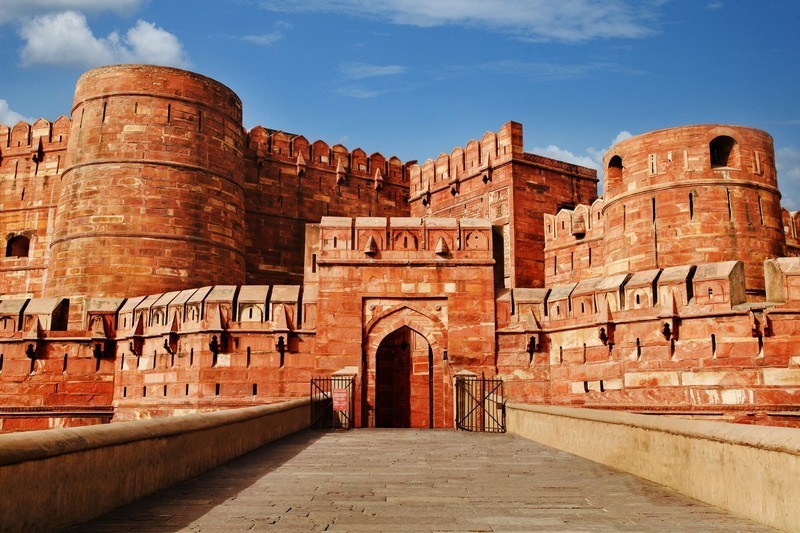
- The Role of Forts: Fortified centers like Chittorgarh, Gwalior, and Ranthambore acted as both administrative headquarters and symbols of royal authority. These forts controlled trade routes and provided refuge during invasions.
- The Panchayat System: At the village level, local administrative matters were managed by village councils or panchayats, which maintained continuity even when higher political regimes changed.
Religious and Cultural Integration
Rajput state formation was deeply intertwined with the patronage of religious institutions, which served as a tool for political consolidation.
- Temple Patronage: Rajput kings invested heavily in temple architecture. The Chandellas are famous for the temples of Khajuraho, while the Solankis patronized the Sun Temple at Modhera. These structures served as centers for economic activity and social cohesion.
- Sanskrit and Regional Literature: Royal courts patronized poets and scholars, fostering a literary culture that preserved heroic tales (Charana literature). This helped in defining a “Rajput identity” based on codes of honor, chivalry, and sacrifice.
- Bhakti and Tantric Influences: Many Rajput rulers patronized both mainstream Vedic traditions and local Bhakti/Tantric cults, allowing the state to appeal to a broad spectrum of the population.
Impact on North Indian Society
The formation of Rajput states fundamentally altered the social and economic landscape of the period:
- Urban Growth: Many administrative centers evolved into significant commercial hubs. The growth of market towns, known as Mandapikas, facilitated the circulation of goods and tax revenue.
- Military Tradition: The period institutionalized a professional warrior ethos. The focus on individual combat, martial training, and loyalty to the clan became the defining feature of Rajput culture.
- Vulnerability to Invasion: The decentralized nature of Rajput polity, while excellent for localized defense, made it difficult to form a unified, cohesive front against large-scale foreign invasions, as evidenced by the conflicts with the Ghaznavids and Ghorids.
Trivia and Key Concepts
- Agnikula Myth: The legend found in the Prithviraj Raso suggests that four Rajput clans (Chauhan, Solanki, Paramara, and Pratihara) were born from a sacrificial fire (Agni-kunda) at Mount Abu, symbolizing their divine creation to protect the Vedic order.
- Charanas and Bhats: These hereditary bards played a crucial role in maintaining the genealogical records of Rajput clans and popularizing their martial exploits.
- Sati and Jauhar: While often associated with the Rajput period, the practices of Sati and the collective ritual suicide of Jauhar became increasingly prevalent in certain Rajput states during times of extreme military crisis.
- Strategic Shift: The Gahadavalas of Kannauj were the last major power to hold the Gangetic heartland before the establishment of the Delhi Sultanate.