
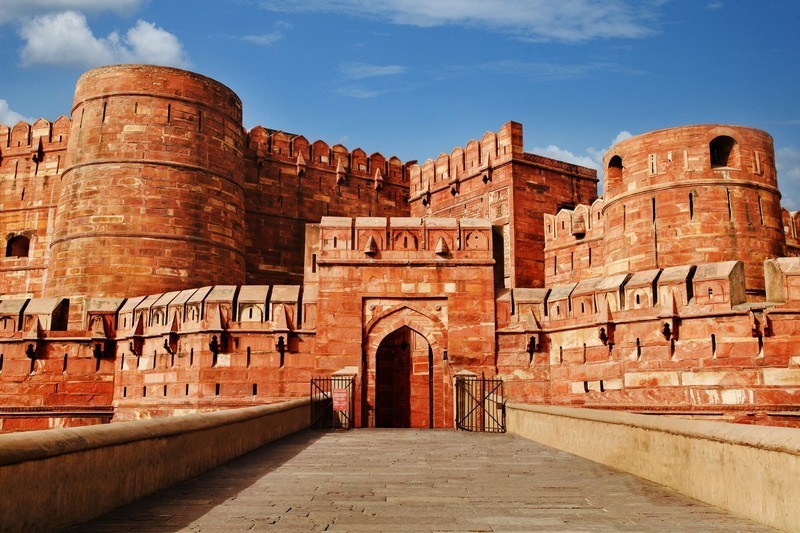
The Chahamanas, also known as the Chauhans, were a prominent Rajput dynasty that ruled parts of modern-day Rajasthan, Haryana, and Delhi. The term ‘Shakambhari’ refers to their ancestral seat, located at Sambhar, near the salt lake in Rajasthan. Originally feudatories of the Gurjara-Pratiharas, they rose to prominence as independent sovereigns after the decline of Pratihara power in the 10th century.
Key Rulers and Imperial Expansion
The dynasty evolved from a regional power to the dominant force in North India under several influential leaders: Simharaja (c. 944–971 CE): He was the first ruler to adopt the title Maharajadhiraja, signaling the dynasty’s break from Pratihara suzerainty. Vigraharaja II (c. 971–998 CE): He expanded the kingdom and consolidated power in the Ajmer and Sambhar regions. Vigraharaja IV (Visaladeva) (c. 1150–1164 CE): The most powerful Chahamana ruler before Prithviraj III. He captured Delhi from the Tomaras, expanded the empire to the Punjab and Gangetic plains, and was a renowned patron of literature. Prithviraj III (Prithviraj Chauhan) (c. 1177–1192 CE): The last great independent Hindu ruler of Delhi. His reign is defined by his military conflicts with the Chandellas of Bundelkhand and his eventual confrontation with Muhammad Ghori.
Administrative and Military Structure
The Chahamanas maintained a sophisticated administration built upon a decentralized feudal hierarchy. Military Organization: The army relied heavily on a professional cavalry and an extensive network of fortified strongholds. Forts like Ajmer (Ajayameru) and Ranthambore functioned as both administrative capitals and primary defensive nodes. Land Revenue: The state derived its wealth from agrarian taxation and control over trade routes passing through Rajasthan. The salt production at Sambhar Lake provided a distinct economic advantage for the kingdom. Feudal Bonds: The administration utilized the Samanta system, where subordinate chieftains provided military contingents and tribute in exchange for land grants. This fostered local loyalty but often created internal competition for power.
Literary and Cultural Patronage
The Chahamana court was a major center for Sanskrit scholarship and architectural innovation. Literary Achievements: Vigraharaja IV was a gifted poet who authored the Sanskrit drama Harakeli Nataka. The court poet Somadeva wrote Lalitavigraharaja, an epic poem chronicling the king’s achievements. Jayanaka: The author of Prithviraja Vijaya, which serves as a crucial historical source for the dynasty’s genealogy and the early life of Prithviraj III. Chand Bardai: The legendary author of Prithviraj Raso, an epic poem that, despite its poetic exaggerations, provides insight into the martial codes and heroic ethos of the Rajput period. Architectural Legacy: The Chahamanas patronized the construction of temples and mosques. The Adhai Din Ka Jhonpra in Ajmer, originally a college of learning, exemplifies the architectural transition and stylistic synthesis of the era.
Conflicts and the Decline of the Dynasty
The downfall of the Chahamanas was precipitated by the shifting geopolitics of North India in the late 12th century. Conflict with Chandellas: Prithviraj III fought the Chandellas of Jejakabhukti, which resulted in the weakening of both dynasties, leaving them vulnerable to external threats. First Battle of Tarain (1191 CE): Prithviraj III defeated Muhammad Ghori, halting his initial push into the Indian heartland. Second Battle of Tarain (1192 CE): Muhammad Ghori returned with a reorganized army and defeated Prithviraj III. The outcome of this battle is historically significant as it marked the decline of Chahamana power and the beginning of the establishment of Islamic rule in Northern India.
Summary Table: Chahamana Dynasty Features
Feature Details Ancestral Capital Shakambhari (Sambhar) Later Capital Ajayameru (Ajmer) Most Powerful Ruler Vigraharaja IV and Prithviraj III Primary Military Strength Cavalry and Fortification Key Literary Work Harakeli Nataka, Prithviraja Vijaya Significant Historical Event Second Battle of Tarain (1192 CE)
UPSC Relevant Trivia
The Agnikula Myth: The Chahamanas are one of the four Rajput clans traditionally associated with the Agnikula (Fire-born) lineage, asserting their divine origin from a sacrificial fire at Mount Abu. The Tomara Connection: The capture of Delhi (Dhillika) by the Chahamanas under Vigraharaja IV was a strategic move to control the trade routes connecting the Doab with the western desert regions. Historical Sources: Epigraphic evidence, such as the Bijolia rock inscription, is essential for constructing the genealogy of the Chahamana rulers and understanding their territorial extent. Political Fragmentation: The inability of the Chahamanas, Gahadavalas, and Chandellas to form a united political front against the Ghorid invasion is a central theme in the study of early medieval Indian state collapse.
Last Modified: June 17, 2026