
Prithviraj III, popularly known as Prithviraj Chauhan, was the last independent Hindu ruler of Delhi and the most celebrated monarch of the Chahamana (Chauhan) dynasty. He ascended the throne of Ajmer at the age of 11 in 1177 CE, following the death of his father, Someshvara. His short but impactful reign (1177–1192 CE) represents the final era of independent Rajput political dominance in Northern India before the establishment of the Delhi Sultanate.
Territorial Expansion and Administration
Prithviraj Chauhan inherited a kingdom centered in Ajmer and significantly expanded its frontiers through aggressive military campaigns. He successfully defeated the Bhadanakas, a tribe occupying the region between Bharatpur and Haryana, early in his reign. He engaged in a prolonged conflict with the Chandellas of Jejakabhukti (Bundelkhand) in 1182 CE. The Chandella rulers, Paramardi-deva, were defeated, leading to the capture of Mahoba. Two famous commanders of the Chandella army, Alha and Udal, are immortalized in folk lore for their bravery during this struggle. He maintained a strained relationship with the Gahadavalas of Kannauj, led by Jayachandra. The legendary abduction of Jayachandra’s daughter, Samyogita, by Prithviraj is a prominent narrative in the Prithviraj Raso, though its historical authenticity remains a subject of scholarly debate.
Military Structure and Strategic Defense
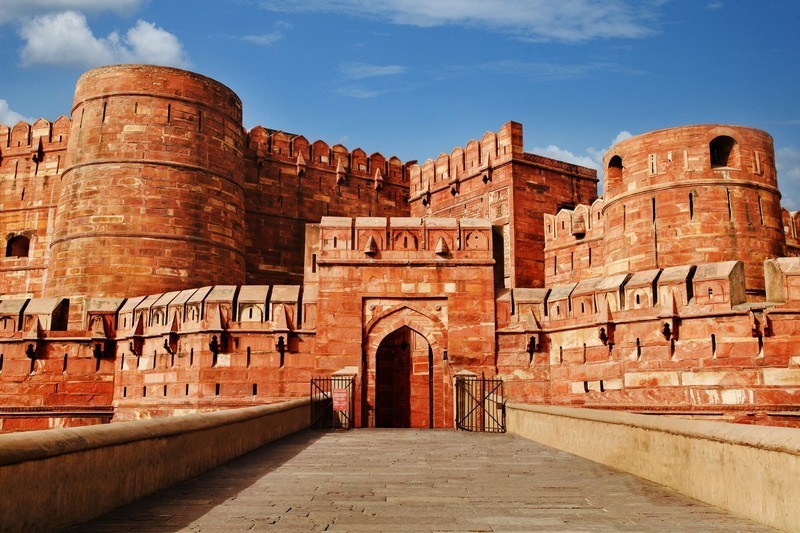
The Chahamana military under Prithviraj relied on a decentralized feudal structure known as the Samanta system. The army was primarily composed of a highly mobile cavalry force, which allowed Prithviraj to move rapidly across his vast territories. Strategic fortresses served as the backbone of his defense. Ajmer (Ajayameru) and Ranthambore were the primary strongholds that facilitated administrative control and provided security against external incursions. Despite having a powerful military, the dynasty suffered from internal fragmentation. The system of granting land to nobles made the central authority dependent on the military contributions of semi-autonomous vassals, which often hindered the formation of a unified, standing national army.
The Ghorid Invasions and the Battles of Tarain
The defining events of Prithviraj’s reign were his confrontations with the Ghurid Sultan, Mu’izz ad-Din Muhammad Ghori, who sought to expand his empire into the Gangetic plains. First Battle of Tarain (1191 CE): Prithviraj Chauhan displayed tactical superiority, leading a coalition of Rajput rulers to decisively defeat Ghori’s forces near Thanesar. Muhammad Ghori was wounded and forced to retreat to Ghazni. Second Battle of Tarain (1192 CE): Ghori returned with a reorganized and better-prepared army. Prithviraj was defeated in this encounter, primarily due to Ghori’s superior battlefield maneuvers, the use of archers on horseback, and the fatigue of the Rajput army. Prithviraj was captured and subsequently executed.
Literary and Cultural Patronage
Prithviraj Chauhan was a significant patron of the arts, and his court served as a hub for Sanskrit and vernacular literature. Prithviraj Raso: Written by his court poet Chand Bardai, this epic poem is the primary source of the legend surrounding Prithviraj. While it contains significant historical inaccuracies, it is a seminal work in Braj Bhasha literature and reflects the martial ideals of the period. Prithviraja Vijaya: Authored by Jayanaka, a Kashmiri poet, this text is considered more historically reliable than the Raso. It provides detailed genealogical information and insight into the religious and social life of the Chahamana court. Architecture: The Chahamanas were known for their temple building activities. The Adhai Din Ka Jhonpra in Ajmer, which was later converted into a mosque, showcases the sophisticated stone carving and architectural precision of the era.
Socio-Political Implications of His Defeat
The defeat of Prithviraj Chauhan in 1192 CE had profound consequences for North Indian history. The fall of the Chahamana dynasty led to the rapid collapse of other major Rajput powers, including the Gahadavalas of Kannauj, who were defeated by Ghori in the Battle of Chandawar (1194 CE). It cleared the path for the founding of the Delhi Sultanate in 1206 CE, permanently shifting the political center of gravity in North India from Rajput clan-based monarchies to the Islamic sultanate model. The inability of the major Rajput states—the Chahamanas, Gahadavalas, and Chandellas—to form a lasting military alliance against the Ghorid threat is cited by historians as a primary cause for the rapid establishment of foreign rule in the region.
Key Facts for Quick Revision
Table: Vital Statistics of Prithviraj III Detail Description Dynasty Chahamana (Chauhan) Reign Period 1177–1192 CE Capital Ajmer (Ajayameru) Primary Rival Muhammad Ghori Famous Victory First Battle of Tarain (1191 CE) Major Defeat Second Battle of Tarain (1192 CE) Court Poets Chand Bardai, Jayanaka
Last Modified: June 17, 2026