
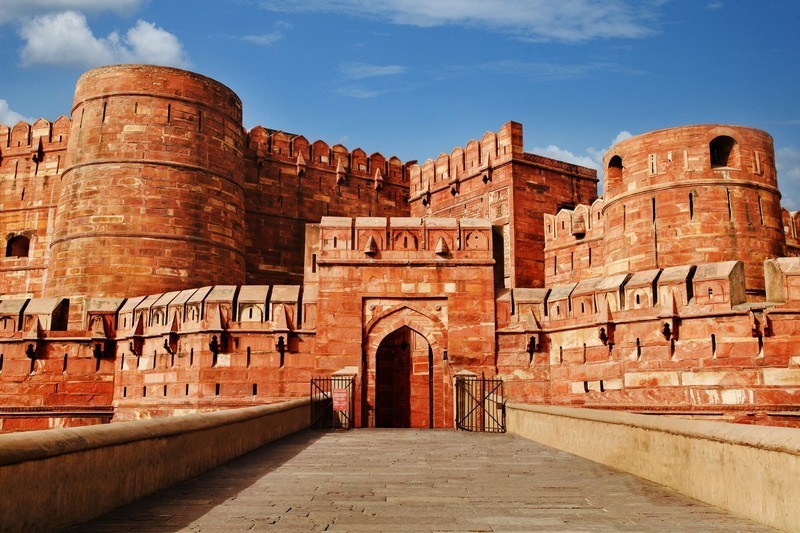
The Gahadavala dynasty emerged as the dominant power in the Gangetic plains during the late 11th century, following the decline of the Kalachuris of Tripuri and the weakening of the Pratihara remnants. The founder of the dynasty was Chandradeva, who established his authority in Kannauj around 1090 CE. Kannauj, a symbol of imperial prestige since the time of Harshavardhana, became the political and cultural capital of the Gahadavalas.
Key Rulers and Imperial Consolidation
The Gahadavalas rapidly expanded their influence, controlling a vast territory that encompassed much of modern-day Uttar Pradesh and parts of Bihar.
- Chandradeva (c. 1090–1100 CE): The founder who secured control over Kannauj, Varanasi, and Ayodhya. He consolidated the core regions of the empire.
- Govindachandra (c. 1114–1155 CE): Often considered the most powerful Gahadavala ruler, his long reign is well-documented in numerous copper plate inscriptions. He successfully repelled the Ghaznavid raids from the west and maintained stability in the Gangetic heartland.
- Jayachandra (c. 1170–1194 CE): The last major sovereign of the dynasty. He is a pivotal figure in the narratives of the late 12th-century political landscape, known for his vast wealth and conflict with the Chahamanas of Ajmer.
Administrative and Military Structure
The Gahadavala state maintained a centralized administrative system that allowed for the effective governance of a populous and economically vibrant region.
- Governance: The kingdom was divided into Bhuktis (provinces) and Vishayas (districts). Administration was overseen by high-ranking officials known as Mantrins.
- Revenue System: The empire was exceptionally wealthy, largely due to the fertile agricultural output of the Gangetic Doab and the control of trade routes passing through Varanasi and Kannauj. They introduced specific taxes, such as the Turushka-danda, likely levied to meet the military expenditure required to defend against the Ghaznavid invasions.
- Military Composition: The army comprised a professional cavalry and infantry. Their military strategy relied on securing major fortified nodes along the Ganges to protect trade and administrative centers.
Cultural and Religious Patronage
The Gahadavala period is notable for the flourishing of Sanskrit literature and the patronage of religious institutions.
- Literary Patronage: The court was a center for legal and religious scholarship. The Gahadavalas were great patrons of the Smriti literature. Lakshmi-dhara, the minister of peace and war under Govindachandra, authored the ‘Krityakalpataru’, a massive encyclopedic work on law and religious practice.
- Religious Policy: The Gahadavalas were devout Vaishnavites. They were instrumental in the development of Varanasi as a major religious center. They facilitated the construction and maintenance of numerous temples and provided land grants to Brahmins, which served as a tool for political legitimacy and social integration.
Conflicts and Geopolitical Challenges
The Gahadavalas were embroiled in the intense regional rivalries that defined the late 12th century, particularly the conflict with the Chahamanas of Ajmer.
- Rivalry with Chahamanas: The struggle for regional supremacy between the Gahadavalas and the Chahamanas (Chauhans) of Delhi and Ajmer weakened both states, reducing their collective capacity to resist external threats.
- Ghaznavid Defense: Govindachandra’s ability to defend the frontier against the ongoing raids from the Ghaznavid rulers of the Punjab is a highlight of Gahadavala military history.
- The Battle of Chandawar (1194 CE): Following the defeat of Prithviraj Chauhan, Muhammad Ghori turned his attention to Kannauj. Jayachandra was defeated and killed in the Battle of Chandawar, which led to the capture of Kannauj and the rapid decline of Gahadavala sovereignty.
Socio-Economic Significance
The Gahadavala state was the last major indigenous imperial power to hold the Gangetic heartland before the establishment of the Delhi Sultanate.
- Economic Strength: The wealth of the Gahadavalas was legendary. Contemporary sources emphasize the richness of their cities and the stability of their trade networks.
- Urbanization: Cities like Varanasi, Kannauj, and Ayodhya served as key administrative and commercial hubs. The Gahadavalas encouraged the growth of these cities through strategic urban planning and patronage.
Key Historical Facts for Prelims
| Feature | Details |
| Founder | Chandradeva |
| Capital | Kannauj (with Varanasi as a major secondary seat) |
| Notable Tax | Turushka-danda (levied for defense) |
| Famous Minister | Lakshmidhara (Author of Krityakalpataru) |
| Last Major Ruler | Jayachandra |
| Primary Rival | Chahamanas (Prithviraj Chauhan) |
| Major Defeat | Battle of Chandawar (1194 CE) |
UPSC Relevant Trivia
- Turushka-danda: Historians interpret this tax as a special levy imposed specifically to finance the defense of the kingdom against the persistent threats from the Turks in the Punjab region.
- Cultural Continuity: The intellectual output of the Gahadavala court, particularly in legal studies, influenced the development of Hindu law and religious administration for centuries after the dynasty’s collapse.
- Strategic Vulnerability: Despite their vast wealth and strong administration, the Gahadavalas—like the Chahamanas and Chandellas—failed to construct a unified defensive alliance against the Ghorid invasions, a key factor often analyzed in the context of the rapid establishment of Sultanate rule in North India.