
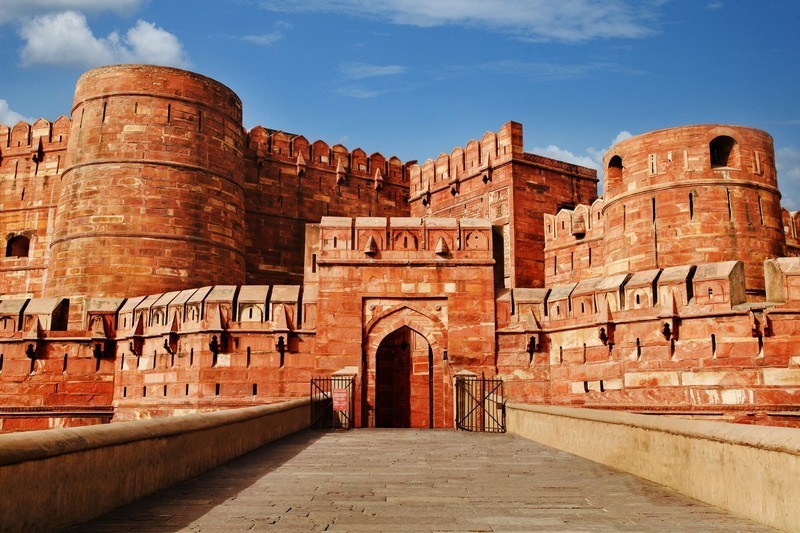
The period between the 8th and 12th centuries CE in North India was defined by the transition from the post-Gupta fragmented states to a series of powerful Rajput and regional dynasties. This era, often termed the Early Medieval period, was characterized by political decentralization, the rise of the feudal ‘Samanta’ system, and vibrant cultural and architectural developments. The political landscape was shaped by constant territorial rivalries among major clans, setting the stage for the subsequent Ghorid invasions.
The Rajput Dynasties and Their Political Impact
The term “Rajput” refers to the warrior clans that ascended to prominence after the decline of the Gurjara-Pratihara empire. These dynasties, often asserting divine origins through the Agnikula (fire-born) myth, formed the backbone of North Indian political resistance.
- Chahamanas (Chauhans) of Shakambhari: Centered in Ajmer, they became the dominant power under rulers like Vigraharaja IV and Prithviraj III. They controlled vital trade routes and successfully checked early Turkish incursions.
- Paramaras of Malwa: Based in Dhara, they reached their zenith under Raja Bhoja. They were patrons of science, literature, and temple architecture, with Malwa serving as a cultural and economic hub.
- Chandellas of Jejakabhukti: Ruling Bundelkhand, they are best remembered for the construction of the Khajuraho temple complex. They maintained a strong defensive perimeter against invaders using forts like Kalinjar.
- Gahadavalas of Kannauj: Dominating the Gangetic plains, they possessed immense wealth and bureaucratic sophistication. Their reign ended abruptly following the defeat of Jayachandra at the Battle of Chandawar (1194 CE).
- Solankis (Chalukyas) of Gujarat: They were masters of maritime trade, controlling ports like Cambay and Broach. Their reign saw the pinnacle of the Maru-Gurjara style of architecture and a strong patronage of Jainism.
- Tomaras of Delhi: Credited with establishing Delhi (Dhillika) as a political capital, they built the first defensive structures in the region before being supplanted by the Chahamanas.
Key Himalayan and Peripheral Polities
While the Gangetic and Malwa regions were characterized by Rajput hegemony, the peripheral states maintained unique administrative and cultural systems that influenced the subcontinent’s geopolitics.
- Karkota Dynasty (Kashmir): Under Lalitaditya Muktapida, Kashmir became a pan-North Indian power, with influence extending to Central Asia and the Gangetic plains. They pioneered early medieval stone temple architecture, notably the Martand Sun Temple.
- Utpala and Lohara Dynasties (Kashmir): These dynasties prioritized domestic stability over expansion. The reign of Avantivarman saw revolutionary irrigation projects on the Jhelum, while the Lohara dynasty provided the backdrop for Kalhana’s monumental history, the Rajatarangini.
- Kamarupa Kingdom (Assam): Operating as a distinct entity in the Brahmaputra valley, the Kamarupa kings maintained independence through a geography-defying military and a strong elephant corps. They remained a major center for Tantric practices and trans-Himalayan trade.
Comparative Overview of Dynastic Features
| Dynasty | Region | Notable Capital | Historical Significance |
| Chahamana | Rajasthan | Ajmer | Key resistance against early Turkish invasions. |
| Paramara | Malwa | Dhara | Golden age of science and philosophy under Raja Bhoja. |
| Chandella | Bundelkhand | Khajuraho | Pinnacle of Nagara temple architecture. |
| Gahadavala | Uttar Pradesh | Kannauj | Controlled the fertile Gangetic Doab trade routes. |
| Solanki | Gujarat | Patan | Dominance in maritime trade and Jain patronage. |
| Karkota | Kashmir | Srinagar | First pan-North Indian empire from the Himalayas. |
Administrative and Socio-Economic Structure
The administration of this era was defined by the feudal hierarchy and land-based economic dependencies.
- Feudal Hierarchy: The Samanta system involved kings granting land to nobles, who in turn provided military contingents and revenue. This system fostered strong local defense but weakened the central monarch’s ability to mobilize a unified national army.
- Economic Base: Agrarian taxation remained the primary revenue stream, supplemented by lucrative trade duties on routes linking the interior to the western and eastern seacoasts.
- Military Tactics: The military focus shifted toward highly mobile cavalry, particularly among Rajput states, and specialized mountain infantry in Himalayan regions. The elephant corps remained the tactical superiority of the eastern kingdoms like Kamarupa.
- Religious Pluralism: While Shaivism and Vaishnavism were dominant, the state frequently patronized Jainism and Buddhism, leading to a period of extensive temple building and philosophical output.
Reasons for the Collapse of North Indian States
The political fragmentation of North India proved fatal when confronted with the organized military machinery of the Ghorids.
- Lack of Unified Alliances: Persistent regional rivalries between the Chahamanas, Gahadavalas, and Chandellas prevented the formation of a cohesive defensive alliance against external threats.
- Decentralized Military: The dependence on feudal levies rather than a standing, centralized army hindered rapid and coordinated strategic response.
- Geographical Vulnerability: The open plains of the Punjab and the Gangetic Doab offered little natural defensive cover compared to the mountain-bound regions of Kashmir or the forest-heavy geography of Assam.
- Administrative Stagnation: By the late 12th century, many dynasties suffered from succession disputes and administrative overreach, leaving them vulnerable to the external pressures that culminated in the Battle of Tarain (1192 CE) and the Battle of Chandawar (1194 CE).