
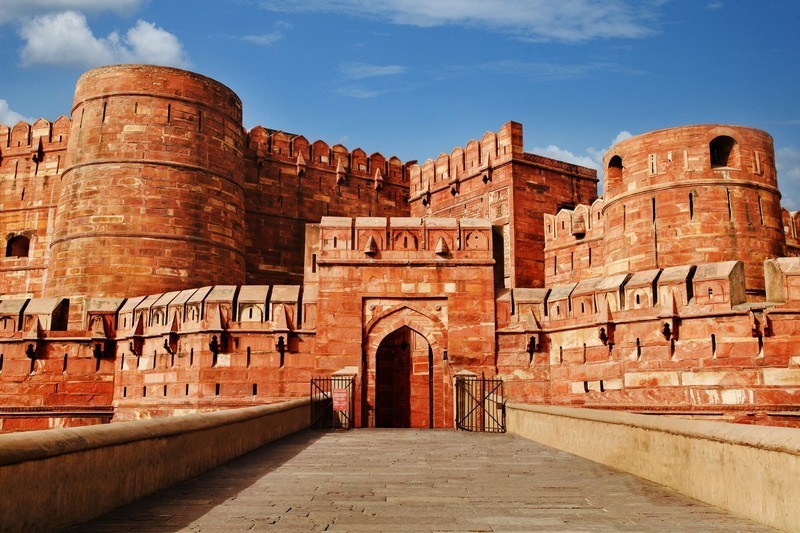
Vikramaditya II was a prominent ruler of the Badami Chalukya dynasty who played a decisive role in the geopolitical landscape of the early medieval Deccan. His reign is primarily defined by the intense, cyclical warfare with the Pallavas of Kanchipuram and his significant contributions to temple architecture at Pattadakal.
Military Campaigns and Pallava-Chalukya Conflict
The conflict between the Chalukyas and the Pallavas had persisted for generations. Vikramaditya II sought to decisively break this stalemate and assert Chalukyan hegemony over the southern peninsula.
- Invasion of Kanchipuram: Seeking to avenge past Chalukyan defeats, Vikramaditya II launched a successful campaign against the Pallava king Nandivarman II. He marched into Tondaimandalam and captured the capital, Kanchipuram.
- Restraint and Respect: Upon capturing Kanchipuram, Vikramaditya II reportedly refrained from destroying the city. Instead, he chose to preserve the structural temples and even donated gold to the Rajasimhesvara (Kailasanatha) temple, signifying his respect for the artistic and religious achievements of his rivals.
- Inscriptions at Kanchipuram: His victory is memorialized in a Kannada language inscription carved on the back of a stone panel in the Kailasanatha Temple at Kanchipuram, which serves as a rare primary source confirming his conquest.
- Triumph over Other Powers: Beyond the Pallavas, he successfully conducted expeditions against the Pandyas, the Cholas, and the Kerala kings, momentarily establishing Chalukyan supremacy across vast swathes of Southern India.
Administrative and Political Structure
Vikramaditya II maintained the traditional Chalukyan administrative framework, which relied on decentralized power balanced by strong royal oversight.
- Imperial Titles: He assumed traditional titles such as Rajadhiraja and Paramesvara, asserting his position as a paramount sovereign of the Deccan.
- Bureaucratic Continuity: The administration continued to be divided into Vishayas (districts), managed by local governors who remained accountable to the central court at Badami.
- Role of Queens: His queens, Lokamahadevi and Trailokyamahadevi, were highly influential in court politics and were instrumental in commissioning the great temples at Pattadakal, reflecting the significant socio-political status of royal women in the Chalukyan court.
Architectural Legacy: The Pattadakal School
The reign of Vikramaditya II marks the zenith of the Pattadakal school of architecture, which represents a sophisticated synthesis of Northern (Nagara) and Southern (Dravidian) architectural styles.
- Lokamahadevi Temple (Virupaksha Temple): Commissioned by Queen Lokamahadevi to commemorate the king’s victory over the Pallavas, this temple is a masterpiece of Dravidian architecture. Its design was directly inspired by the Kailasanatha Temple at Kanchipuram, which the king had admired during his military campaign.
- Trailokyesvara Temple: Commissioned by Queen Trailokyamahadevi, this temple mirrors the architectural grandeur of the Virupaksha temple and showcases the refined stone-masonry skills of the era.
- Architectural Synthesis: The buildings commissioned during his reign feature a unique blend of styles. While the temples at Pattadakal were built by artisans trained in the Pallava tradition, they also incorporated distinct Chalukyan stylistic elements, effectively standardizing the structural temple format that would influence later regional architectures.
Summary of Reign and Key Indicators
| Feature | Details |
| Reign Period | 733–744 CE |
| Dynastic Affiliation | Badami Chalukya |
| Primary Rival | Nandivarman II (Pallava) |
| Capital | Badami |
| Significant Victory | Capture of Kanchipuram |
| Key Architectural Work | Virupaksha Temple (Pattadakal) |
| Notable Inscription | Kannada inscription at Kailasanatha Temple, Kanchipuram |
Historical Significance and Trivia
- Cultural Exchange: The movement of architects from Kanchipuram to Pattadakal under Vikramaditya II’s patronage serves as a prime example of early medieval cultural diffusion, where military conquests facilitated the cross-pollination of artistic styles.
- Kannada Language Usage: The use of Kannada in the Kanchipuram inscription highlights the growing importance of regional languages in royal administrative and commemorative records during the 8th century.
- The End of the Chalukya-Pallava Rivalry: Although Vikramaditya II achieved significant military success, his campaigns placed a heavy burden on the state treasury. This exhaustion, coupled with the rising power of the Rashtrakutas under Dantidurga, eventually led to the collapse of the Badami Chalukya dynasty shortly after his successor’s reign.