
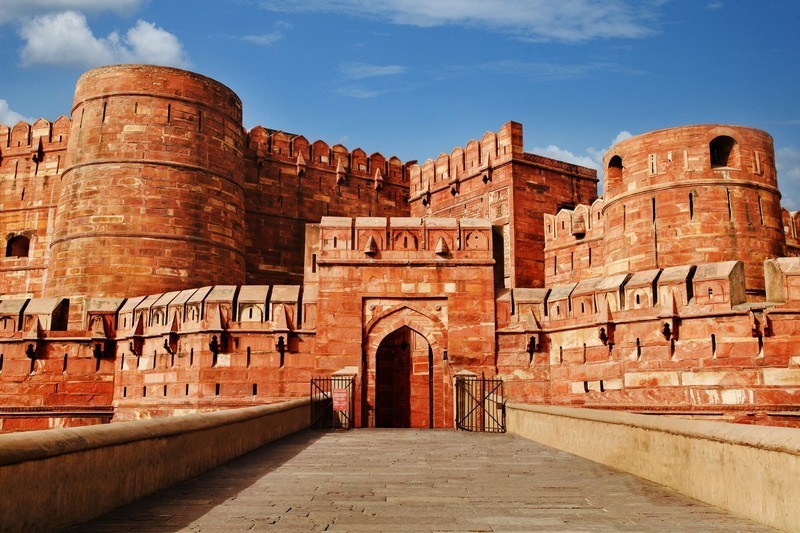
The Group of Monuments at Mamallapuram (Mahabalipuram), situated on the Coromandel Coast in Tamil Nadu, represents the apex of Pallava architectural innovation between the 7th and 8th centuries CE. A UNESCO World Heritage site, the complex illustrates the evolutionary transition from rock-cut cave temples to monolithic Rathas (chariots) and subsequently to structural stone temples. The site served as a bustling port city under the Pallavas, functioning as both a religious hub and a symbol of maritime imperial power.
Architectural Typology and Evolution
Pallava architecture at Mamallapuram is categorized into distinct phases that reflect the experimentation of royal artisans:
- Rock-Cut Cave Temples (Mandapas): These are excavated into natural rock cliffs, featuring pillared halls and sanctums adorned with narrative relief sculptures.
- Monolithic Rathas: These are free-standing structures carved from single, large granite boulders. They are termed “chariots” but functioned as monolithic shrines.
- Structural Temples: These represent the mature phase, where stone blocks were individually carved and assembled, moving away from the rock-cut method.
- Open-Air Rock Reliefs: Massive vertical rock faces carved with complex mythological scenes, showcasing high naturalism.
Significant Monuments and Iconographic Highlights
The site houses several structures that are foundational to understanding the development of the Dravidian temple style:
- The Shore Temple: Constructed during the reign of Narasimhavarman II (Rajasimha), this is one of the earliest structural stone temples in South India. It consists of three shrines—two dedicated to Shiva and one to Vishnu—and is positioned to overlook the Bay of Bengal.
- Pancha Pandava Rathas: A collection of five monolithic shrines. Despite the name, they are not dedicated to the Pandavas; they are varied designs representing different architectural prototypes, including the Dharmaraja Ratha, which is the most complete example of the early vimana style.
- Descent of the Ganges (Arjuna’s Penance): This is one of the world’s largest open-air rock reliefs. The masterpiece depicts the mythological descent of the river Ganges, featuring a vast array of celestial beings, ascetics, and remarkably naturalistic animal carvings, including a life-sized family of elephants.
- Varaha Cave Temple: This rock-cut shrine is dedicated to the Varaha (boar) avatar of Vishnu. It contains sophisticated relief work highlighting the mythological victory of order over chaos.
- Krishna Mandapa: This cave temple features a prominent bas-relief depicting Lord Krishna lifting the Govardhana hill, illustrating the integration of local folklore into state-patronized religious art.
Administrative and Strategic Significance
Beyond religious function, the monuments played a critical role in the political and economic life of the Pallava state:
- Maritime Gateway: Mamallapuram functioned as a primary emporium for trade with Southeast Asia and China. The prominent placement of the Shore Temple served as a navigational landmark for international sailors.
- Royal Ideology: The temples served as visible markers of the king’s piety and sovereignty, reinforcing the monarch’s role as the earthly defender of the Dharma.
- Artistic Patronage: The shift from simple cave temples to complex structural edifices mirrors the growing wealth and political stability of the Pallava state under rulers like Mamalla and Rajasimha.
Quick Reference: Mahabalipuram Fact Sheet
| Feature | Details |
| Chronology | 7th–8th Century CE |
| Primary Patronage | Narasimhavarman I (Mamalla) and Narasimhavarman II (Rajasimha) |
| UNESCO Inscription | 1984 |
| Material | Granite |
| Architectural Style | Dravidian (Transition from monolithic to structural) |
| Geographic Context | Coromandel Coast, Tamil Nadu |
Key Trivia for Prelims
- Nomenclature: The town was named ‘Mamallapuram’ after the title of the ruler Narasimhavarman I, whose honorific ‘Mamalla’ translates to “Great Wrestler.”
- Technological Innovation: The transition from the Mahendra style (simple pillars) to the Rajasimha style (ornate structural masonry) marks the birth of the standardized Dravidian temple tower (Vimana).
- Naturalism: The animal sculptures at the “Descent of the Ganges” relief are considered some of the finest examples of naturalistic carving in ancient Indian history, displaying a departure from stylized or symbolic representations.
- Dharmaraja Ratha: This remains the most significant of the monolithic structures as it provides the template for the evolution of the tiered tower that later became ubiquitous in South Indian temple architecture.