
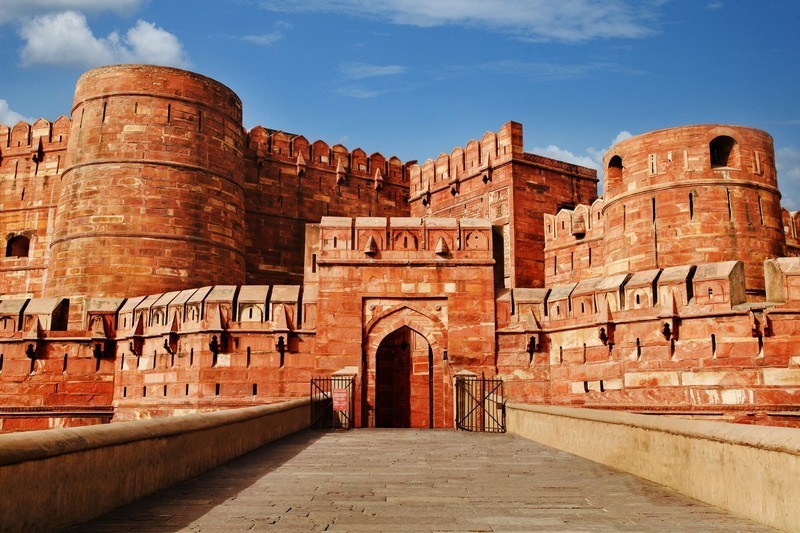
The Aihole complex, located in the Bagalkot district of Karnataka, is recognized as the “Cradle of Indian Rock Architecture.” Situated on the banks of the Malaprabha River, Aihole served as the first experimental center for the Early Western Chalukyas (6th–8th centuries CE) as they transitioned from rock-cut shrines to free-standing structural temples. The site contains over 125 temples, reflecting the evolution of both the Nagara (Northern) and Dravida (Southern) architectural styles.
Architectural Typology and Evolution
Aihole serves as an architectural laboratory where Chalukyan artisans tested various structural forms before finalizing the standardized styles seen later at Pattadakal and Badami.
- Early Experiments: The earliest structures at Aihole are characterized by flat-roofed, square mandapas with simple pillar designs.
- Stylistic Synthesis: The temples exhibit a unique blend of architectural elements, combining the shikhara (spire) of the North with the vimana (tiered tower) of the South.
- Material Usage: Construction primarily utilizes local red sandstone, which allowed for intricate carving and durable structural assembly.
Major Temples and Structural Significance
The temples at Aihole demonstrate distinct structural phases and religious affiliations.
- Lad Khan Temple: Originally thought to be the oldest, it features a heavy, flat-roofed hall modeled after wooden village assembly halls. Its design incorporates a prominent porch and a central square shrine.
- Durga Temple: This is the most iconic structure at Aihole, known for its unique apsidal (semi-circular) plan, which mimics the shape of Buddhist Chaitya halls. It features an elaborately carved colonnade and a shikhara that shows early Nagara influence.
- Huchimalligudi Temple: This structure is significant for being one of the first temples to feature an antarala (an intermediate chamber between the sanctum and the hall), which became a standard feature in later Dravidian temples.
- Ravana Phadi Cave: An early rock-cut temple that houses a masterpiece relief of Nataraja flanked by the Saptamatrikas (seven mother goddesses), showcasing early Chalukyan iconography.
- Meguti Jain Temple: Built in 634 CE, this is a rare dated monument at the site. It is a structural temple with an upper-level shrine, providing critical evidence for the chronology of Chalukyan architecture.
Iconography and Religious Syncretism
The temples at Aihole display a diverse religious landscape, reflecting the royal policy of pluralism under the Early Western Chalukyas.
- Shaivite and Vaishnavite themes predominate, but the presence of significant Jain bas-reliefs indicates state patronage for multiple sects.
- The transition of iconography from simple, singular deity panels to complex narrative reliefs is evident across the various cave and structural temples.
- The Nataraja sculptures at Aihole are noted for their early depiction of rhythmic movement, laying the foundation for the classic iconography perfected by the later Cholas.
Administrative and Educational Role
Aihole functioned as more than just a religious center; it was a hub for administrative and educational activities.
- The Ghatikas (educational institutions) at Aihole attracted scholars from across the Deccan, contributing to the development of Sanskrit and local Kannada literary traditions.
- The inscriptions found at the Meguti temple, composed by the court poet Ravikirti, provide the most comprehensive historical record of the Chalukya dynasty, detailing the military victories of Pulakeshin II.
- The site’s proximity to the Malaprabha River facilitated trade and the movement of architectural ideas between the northern and southern regions of the peninsula.
Quick Reference: Aihole Fact Sheet
| Feature | Details |
| Chronology | 6th–8th Century CE |
| Dynasty | Early Western Chalukyas |
| Location | Bagalkot District, Karnataka |
| Architectural Significance | “Cradle of Indian Temple Architecture” |
| Primary Material | Red Sandstone |
| Dated Monument | Meguti Jain Temple (634 CE) |
Key Trivia for Prelims
- Architectural Laboratory: Aihole is designated as an experimental ground where architects tested different styles, leading to the evolution of the Dravidian and Nagara temple forms.
- Dated Inscription: The Ravikirti inscription at the Meguti temple is a primary source that documents the conflict between Pulakeshin II and the Pallava ruler Mahendravarman I.
- Apsidal Innovation: The Durga Temple’s apsidal plan is a direct adaptation of Buddhist cave architecture, highlighting the continuity of structural ideas across different religious traditions in ancient India.
- Structural Shift: The movement from the flat-roofed designs of the Lad Khan temple to the elevated shikhara designs of the later temples marks the maturation of the Chalukyan architectural grammar.