
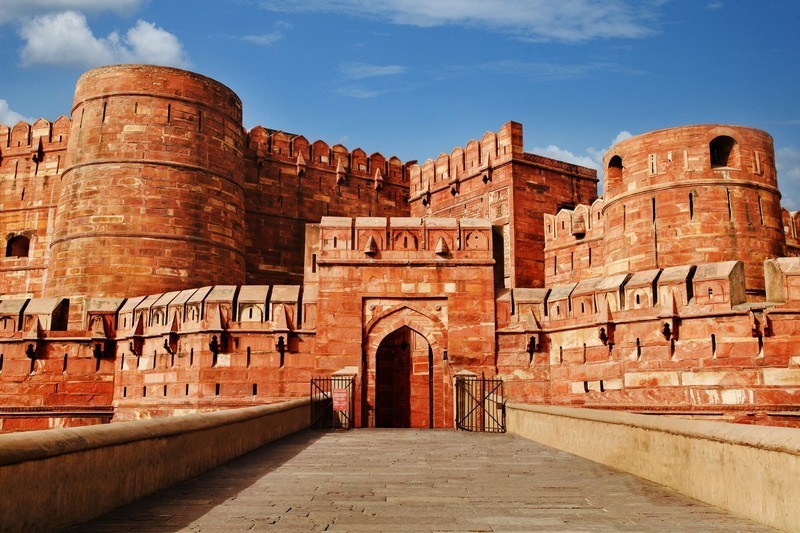
The Hoysala Empire (10th–14th century CE) originated in the Malnad region of modern-day Karnataka. Initially local chieftains (Samantas) under the Western Chalukyas, the Hoysalas leveraged the decline of the Chalukya-Chola rivalry to establish an independent kingdom centered at Belur and later Halebidu (Dorasamudra).
Early Origins and Feudatory Status
The foundational period of the Hoysalas was defined by their strategic role as subordinates to the Kalyani Chalukyas.
- The dynasty claims descent from the Yadu lineage. The mythical ancestor Sala is said to have slain a tiger (Puli) to save a Jain sage, leading to the dynastic emblem featuring a man fighting a tiger.
- Nripa Kama II (c. 1026 CE) is recognized as the first historical figure of the dynasty, who established a power base in the Western Ghats.
- Vinayaditya (1047–1098 CE) expanded the kingdom by serving as a loyal feudatory to the Western Chalukya emperor Someshvara I, securing the Malnad region.
Rise to Sovereignty and Conflict with the Cholas
The transition from a feudatory power to an imperial force occurred under Vishnuvardhana (1108–1152 CE), who challenged the existing power structures.
- Vishnuvardhana achieved independence from the Western Chalukya crown and launched campaigns into the Tamil country.
- The Hoysala-Chola relationship was characterized by intense military rivalry, particularly over the control of the Mysore plateau and the Kongu region.
- Battle of Talakad (1116 CE): Vishnuvardhana defeated the Chola governor of Talakad, marking a significant territorial expansion that pushed the Cholas out of the Mysore region.
- Following the collapse of the Chola power in the 13th century, the Hoysalas frequently intervened in Chola-Pandyan civil wars, acting as the ‘kingmakers’ of South India to maintain a balance of power.
Imperial Zenith: King Ballala II
Veera Ballala II (1173–1220 CE) transformed the Hoysalas into the dominant power of the Deccan.
- He decisively defeated the Seuna (Yadava) king Bhillama V at the Battle of Soratur (1190 CE), securing control over the northern territories.
- He effectively curtailed the expansionist ambitions of the Pandyas, styling himself as the ‘Protector of the Chola Kingdom’ (Chola-rajya-pratishthacharya) after intervening on behalf of the Chola monarch Kulothunga Chola III against the Pandyas.
Political Interaction with Contemporary Powers
The Hoysalas navigated a complex geopolitical landscape, often acting as a bridge between the Kannada and Tamil speaking regions.
| Power | Nature of Interaction |
| Western Chalukyas | Initially served as feudatories; eventually inherited their legacy. |
| Cholas | Competitors for dominance in the Mysore region; later, the Hoysalas became protectors of Chola legitimacy. |
| Seuna (Yadavas) | Constant territorial rivals for control over the northern Deccan and the Tungabhadra-Krishna doab. |
| Kakatiyas | Contested the eastern regions; often formed temporary alliances against common threats like the Delhi Sultanate. |
| Delhi Sultanate | Faced the brunt of the Tughlaq invasions in the early 14th century, which ultimately led to the empire’s collapse. |
Administrative and Social Structure
Hoysala administration combined traditional monarchy with localized decentralized governance.
- Empire was divided into Vishayas and Nadus, managed by hereditary officials and loyal military commanders.
- Agraharas (Brahmin settlements) served as the backbone of social and intellectual life, receiving royal patronage to maintain Sanskrit schools and temples.
- The kingdom promoted a policy of religious pluralism, supporting both Vaishnavism, Shaivism, and Jainism. King Vishnuvardhana’s conversion from Jainism to Vaishnavism (under the influence of Ramanujacharya) marked a shift in royal patronage.
Architectural Legacy: The Hoysala Style
The Hoysala period produced a distinct architectural idiom known as the ‘Hoysala style,’ characterized by technical precision and soapstone medium.
- Star-shaped plans (Stellated plan) of the temple sanctums are a unique diagnostic feature.
- Intricate, lathe-turned pillars and excessive miniature carvings on exterior walls.
- Notable temples include the Chennakeshava Temple at Belur, the Hoysaleswara Temple at Halebidu, and the Kesava Temple at Somanathapura.
- The temples are typically built on a high platform (Jagati) to facilitate circumambulation.
Decline and Integration into Vijayanagara
The end of the Hoysala Empire was precipitated by the military expeditions of Alauddin Khilji and later Muhammad bin Tughlaq.
- The capture and plundering of Dorasamudra by Malik Kafur in 1311 CE devastated the capital.
- The final collapse occurred in 1343 CE following the death of Veera Ballala IV.
- The strategic consolidation of the region by the Hoysala military commanders provided the necessary infrastructure and stability for the foundation of the Vijayanagara Empire by Harihara and Bukka I, who were associated with the Hoysala court.
Key Facts for Prelims
- Capital Migration: The capital shifted from Belur to Dorasamudra (Halebidu) due to strategic requirements.
- Royal Titles: Hoysala kings held titles like Tribhuvanamalla (Lord of three worlds), signifying their imperial status.
- Language: The Hoysala court actively promoted Kannada literature; poets like Pampa and Ranna were patronized, and the development of Vachana literature flourished during this era.
- Trade: The Hoysalas encouraged internal trade guilds (Nakharas) and maintained links with overseas trade networks through the ports of the Konkan coast.