
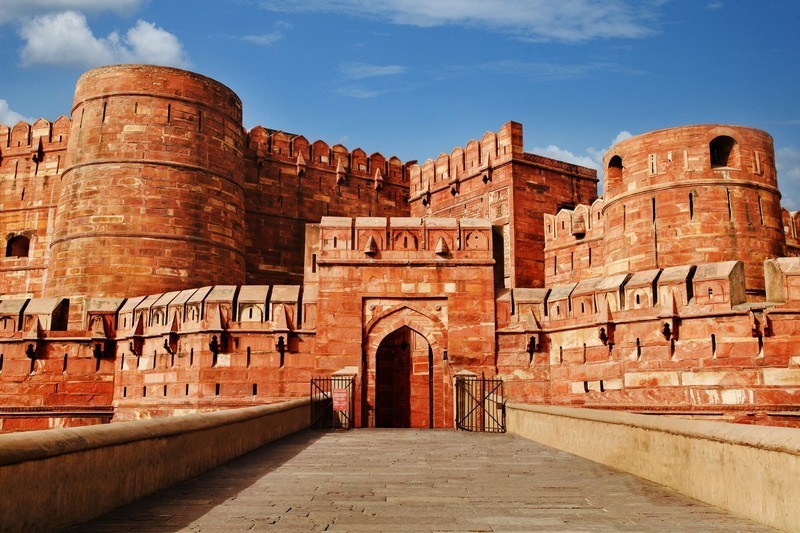
The Yadavas of Devagiri, also known as the Seuna dynasty, established a prominent empire in the Deccan during the 12th and 13th centuries. Originating as feudatories of the Western Chalukyas, they eventually became a formidable imperial power, controlling the region between the Narmada and Tungabhadra rivers. Their capital, Devagiri (modern-day Daulatabad), became a center of political, cultural, and military power.
Origins and Transition to Sovereignty
The dynasty traced its lineage to the mythological Yadu. Historical records confirm their rise as powerful regional administrators under the Kalyani Chalukyas.
- Dridhaprahara is considered the founder of the dynasty, establishing the kingdom at Chandradityapura.
- Bhillama V (1185–1193 CE) formally declared independence, defeating the Western Chalukya ruler Someshvara IV.
- The dynasty shifted its capital to Devagiri, which offered superior defensive advantages due to its hill fort architecture.
Relations with Contemporaries and the Chola-Deccan Power Balance
The Yadavas were central to the power shifts in the Deccan, frequently engaging with other regional powers, including the Hoysalas and the later remnants of the Chola influence.
- Conflict with the Hoysalas: The Yadavas and the Hoysalas were locked in a perpetual struggle for control over the rich Krishna-Tungabhadra doab. The Battle of Soratur (1190 CE) saw the Yadavas struggle to contain the rising Hoysala influence under Veera Ballala II.
- Chola Interplay: While the Cholas were geographically distant from Devagiri, the Yadavas monitored Chola-Hoysala alignments. The waning of Chola power in the 13th century allowed the Yadavas to expand their sphere of influence into territories formerly contested by Chola-aligned feudatories.
- Conflict with Kakatiyas: The Yadavas frequently clashed with the Kakatiyas of Warangal. These wars were primarily over territorial boundaries and control of key trade routes connecting the Deccan to the coastal ports.
Administrative and Economic Structure
The Yadava administration was a sophisticated hierarchy that facilitated a robust agrarian and commercial economy.
- Administrative Divisions: The empire was divided into provinces (Deshas or Mandalam), districts (Nadus), and villages (Ur).
- Bureaucracy: The state maintained a strong central bureaucracy. The title of Mahapradhana was held by the chief minister, who oversaw a network of military and civil governors (Mandalikas).
- Economy: The prosperity of the kingdom relied on the fertile black soil of the Deccan plateau. Yadava kings actively promoted land reclamation and tank irrigation.
- Trade: The kingdom served as a crucial hub for the inland trade of horses, textiles, and spices. The coinage, primarily gold coins known as Padmatankas, suggests a highly monetized and integrated economy.
Notable Rulers and Military Prowess
- Jaitugi I: Continued the expansionist policies of Bhillama V and solidified Yadava control over the northern Deccan.
- Singhana II (1200–1247 CE): Regarded as the greatest ruler of the dynasty. He expanded the borders from the Narmada to the Tungabhadra and successfully campaigned against the Paramaras of Malwa and the Gujarat Chaulukyas.
- Ramachandra Deva: The final major ruler. His reign saw the zenith of the empire’s cultural reach but also the onset of its collapse due to external Islamic invasions.
Cultural and Literary Contributions
The Yadava court was a vibrant center for the development of Marathi and Kannada literature, as well as the progression of the Hemadpanti architectural style.
- Hemadpanti Architecture: This style, named after the minister Hemadpant, is characterized by dry masonry (stone joined without mortar), star-shaped plans, and intricate stone carvings. Notable examples include the Gondeshwar Temple in Sinnar.
- Literature: The Yadava period witnessed the flourishing of the Mahanubhava sect. The Līḷācharitra, considered the first biographical work in Marathi, was composed during this era.
- Music and Science: The famous musicological treatise Sangita Ratnakara, authored by Sharngadeva, was written during the reign of Singhana II, highlighting the sophisticated cultural life of the period.
Decline and Collapse: The Delhi Sultanate Invasions
The decline of the Yadavas was sudden and precipitated by the aggressive expansion of the Delhi Sultanate under the Khaljis.
- 1296 CE: Alauddin Khalji launched a surprise raid on Devagiri. Ramachandra Deva was forced to sign a humiliating treaty and pay a heavy tribute.
- 1307–1308 CE: Malik Kafur, acting for Alauddin Khalji, invaded Devagiri again. The king was taken to Delhi as a prisoner but later reinstated as a vassal.
- 1317 CE: Following the death of Ramachandra Deva, his successor Harapala Deva attempted to revolt against the Sultanate.
- Final Annexation: Qutbuddin Mubarak Shah marched into the Deccan in 1318 CE, captured and executed Harapala Deva, effectively ending the Yadava dynasty and incorporating the region directly into the Delhi Sultanate.
Summary of Key Historical Facts for Prelims
| Feature | Description |
| Dynastic Origin | Originally feudatories of the Western Chalukyas. |
| Capital | Devagiri (modern-day Daulatabad). |
| Prominent Ruler | Singhana II (greatest expansionist). |
| Architectural Style | Hemadpanti (dry masonry, star-shaped plans). |
| Currency | Gold coins called Padmatankas. |
| Primary Rival | Hoysalas (South) and Kakatiyas (East). |
| Collapse | Invasions by Malik Kafur (1307) and eventual annexation (1318). |
| Cultural Milestone | Patronage of Marathi literature and the Sangita Ratnakara. |