

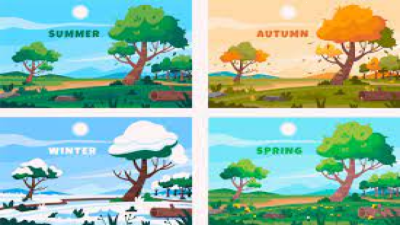
India, a land of diverse landscapes and rich cultural heritage, experiences a wide array of seasons throughout the year. From scorching summers to blissful winters, from rejuvenating post-monsoon days to the dramatic monsoon seasons, the country’s climate paints a vivid portrait of the ever-changing natural world.
Summer: The Sun’s Dominion
Duration: March to June
As the sun takes center stage, India experiences its summer season with soaring temperatures and parched landscapes. The northern plains bear the brunt of the heat, often reaching temperatures exceeding 40°C (104°F). The southern regions are relatively more moderate, but the heat is still palpable.
- Example: The city of Jaipur in Rajasthan becomes a cauldron during summers, with temperatures often surpassing 45°C (113°F). This extreme climate has led to the architectural marvel of step-well reservoirs, such as the Chand Baori, which helps conserve water and provides respite from the heat.
Monsoon: Nature’s Symphony
Duration: June to September
The monsoon is perhaps the most awaited season in India, as it brings relief from the scorching heat and replenishes the land’s fertility. The southwestern monsoon winds sweep across the Arabian Sea, drenching the west coast and gradually advancing towards the northeastern regions.
- Example: The Western Ghats, a UNESCO World Heritage Site, witness heavy rainfall during the monsoon. Cherrapunji in Meghalaya holds the record for the highest annual rainfall, receiving up to 463 inches of rain, transforming the region into a lush green paradise.
Post-Monsoon: The Transition
Duration: October to November
After the monsoon retreats, India experiences the post-monsoon season characterized by a gradual reduction in humidity and temperature. The land is resplendent with the freshness brought by the rains, and the agricultural activities are in full swing.
- Example: The Taj Mahal in Agra, Uttar Pradesh, is a prime example of the post-monsoon beauty. The monument, built with white marble, glistens under the clear post-monsoon skies, offering a breathtaking sight for visitors.
Winter: A Sublime Respite
Duration: December to February
The winter season varies greatly across different regions of India. While the northern plains can experience biting cold temperatures, the southern regions remain relatively warm and pleasant.
- Example: In Kashmir, the Dal Lake freezes during winter, and the surrounding snow-capped mountains create a picturesque landscape that attracts tourists from around the world. The Winter Carnival in Goa, on the other hand, showcases a vibrant blend of Indian and Western culture.
Northeastern and Southwestern Monsoons: Dual Deluge
Duration: October to November (Northeastern Monsoon), October to December (Southwestern Monsoon)
India experiences a secondary monsoon, known as the northeastern monsoon or “retreating monsoon,” which brings rainfall to the southeastern coastal regions. This season is crucial for areas like Tamil Nadu and parts of Andhra Pradesh.
- Example: The city of Chennai in Tamil Nadu receives a significant portion of its annual rainfall during the northeastern monsoon. The Rainy Season Cultural Festival in Chennai celebrates the beauty of this season through various art forms.
Key Data Table
| Season | Duration | Notable Features | Temperature Range |
| Summer | March to June | High temperatures, arid landscapes | 30°C to 45+°C (86°F+) |
| Monsoon | June to September | Heavy rainfall, relief from heat | Varies across regions |
| Post-Monsoon | October to November | Reduced humidity, agricultural peak | Varies across regions |
| Winter | December to February | Cold (north) to warm (south) | 10°C to 25°C (50°F-77°F) |
| Northeastern Monsoon | October to November | Rainfall in southeast coastal areas | Varies across regions |
India’s diverse geographical features give rise to a fascinating tapestry of seasons. From the scorching sun of summer to the rejuvenating rains of the monsoon, each season brings its own charm and impact on the country’s culture, traditions, and way of life.
Last Modified: February 22, 2024