

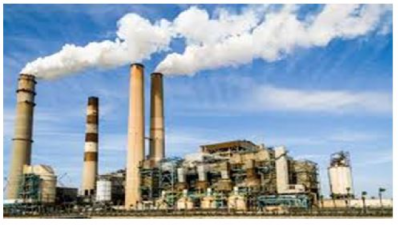
The location of industrial facilities plays a pivotal role in the success and sustainability of businesses. Choosing the right location can result in reduced costs, improved access to resources, and increased competitiveness. Conversely, poor location decisions can lead to higher expenses, logistical challenges, and decreased profitability.
Proximity to Raw Materials and Suppliers
One of the most critical factors influencing industrial location is the proximity to raw materials and suppliers. Industries heavily reliant on specific inputs, such as mining or agriculture, benefit from being close to their source of raw materials. For example, the steel industry often locates near iron ore mines to minimize transportation costs.
- Key Data
| Industry | Location Strategy |
| Steel | Proximity to iron ore mines |
| Food Processing | Near agricultural regions |
| Electronics | Access to semiconductor suppliers |
Market Access
The proximity to consumer markets is another crucial factor. Industries producing consumer goods and perishable products tend to locate close to their target markets to reduce transportation costs and ensure timely delivery. The automobile industry, for instance, places manufacturing plants in regions with a high demand for cars.
- Key Data:
| Industry | Market-Centric Location Strategy |
| Automobiles | Near densely populated areas |
| Fast Food Chains | Locations in high-traffic areas |
| Fashion Retail | Presence in major shopping districts |
Labor Force Availability and Skillset
Access to a skilled labor force is vital for many industries. The availability of skilled workers and the cost of labor can significantly impact location decisions. High-tech companies, for instance, often establish operations near renowned universities to tap into a pool of talented graduates.
- Key Data:
| Industry | Labor-Driven Location Strategy |
| Tech Startups | Proximity to tech hubs |
| Textile Mills | Areas with skilled seamstresses |
| Aerospace | Near engineering schools |
Transportation Infrastructure
An efficient transportation network is essential for industries that require the movement of goods. Access to highways, ports, railways, and airports can streamline the distribution process. Amazon strategically locates its distribution centers near major transportation hubs to ensure fast and cost-effective deliveries.
- Key Data:
| Industry | Transportation-Centric Location Strategy |
| E-commerce | Near major transportation and logistics hubs |
| Manufacturing | Access to well-connected highways and ports |
| Agriculture | Proximity to railway lines and shipping ports |
Cost of Land and Real Estate
Land and real estate costs can significantly impact a company’s bottom line. Businesses often weigh the cost of land against other location advantages. For example, tech giants like Google and Facebook have chosen to build massive data centers in regions with cheap land and abundant energy.
- Key Data:
| Industry | Cost-Effective Location Strategy |
| Data Centers | Areas with affordable land and energy sources |
| Retail | Prime locations for brand visibility |
| Hotels | Sites with scenic or tourist attractions |
Government Policies and Incentives
Government policies and incentives can influence industrial location decisions. Tax breaks, grants, and subsidies can make a location more attractive. For example, many renewable energy companies choose locations with government incentives to boost green energy production.
- Key Data:
| Industry | Government-Incentive Location Strategy |
| Renewable Energy | Regions with renewable energy incentives |
| Film Production | Locations with film industry tax credits |
| Green Technology | Access to grants for sustainable practices |
Environmental and Regulatory Factors
Environmental regulations and the potential impact on the ecosystem can drive location decisions. Companies must consider the environmental consequences of their operations and choose sites that align with their sustainability goals.
- Key Data:
| Industry | Environmentally-Friendly Location Strategy |
| Solar Energy | Sunny regions with minimal environmental impact |
| Organic Farming | Areas conducive to sustainable agriculture |
| Eco-Tourism | Locations promoting eco-conscious travel |
Industrial location decisions are complex and multifaceted, with various factors at play. Businesses must carefully evaluate these factors and prioritize those most relevant to their industry and objectives. The right location can lead to cost savings, improved market access, and increased competitiveness, while the wrong choice can result in significant challenges and costs.
Last Modified: February 22, 2024