
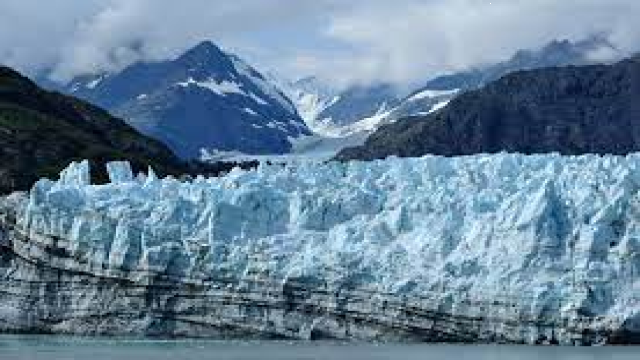
In the Rigveda, the Beas River is recorded as Vipasa, which translates to “the unlooser of fetters,” a name mythologically attributed to the sage Vashishta. In classical Greek literature, it is documented as the Hyphasis. The river marks the easternmost boundary of Alexander the Great’s conquests in 326 BCE; his troops mutinied at its banks, refusing to cross into the Nanda Empire.
Geographic Origin and Headwaters
The Beas River originates at an elevation of 4,361 meters above mean sea level near the Rohtang Pass in the Kullu district of Himachal Pradesh. The source consists of a glacial spring known as Beas Kund, situated on the southern slopes of the Pir Panjal Range.
Trajectory through Himachal Pradesh and Punjab
The river flows south-southwest through the Kullu Valley, where it carves deep gorges through the Dhauladhar Range at Larji and Kotla. It turns westward, entering the Kangra Valley, and leaves Himachal Pradesh to enter the plains of Punjab at Mirthal. The Beas is the only river among the five major tributaries of the Indus that originates and flows entirely within the territorial boundaries of India. It runs for a total length of 470 kilometers before terminating as a tributary to the Sutlej River at the Harike Wetland in the Ferozepur district of Punjab.
Hydrological and Basin Parameters
| Parameter | Technical Details |
| Total Length | 470 kilometers (Entirely within India) |
| Catchment Area | 20,303 square kilometers |
| Riparian States | Himachal Pradesh and Punjab |
| Physiographic Zones | Pir Panjal Range, Dhauladhar Range, Shiwalik Hills, and Punjab Plains |
| Terminal Confluence | Harike, Punjab (Left-bank tributary to the Sutlej River) |
Tributaries of the Beas River
Right Bank Tributaries
- Solang Nallah: A primary glacial stream feeding the upper reaches of the Beas near Manali.
- Manalsu Nallah: Joins the Beas in the upper Kullu valley, draining the alpine catchments.
- Sarvari River: Meets the Beas at Kullu town, draining the inner Himalayan ridges.
- UhI River: An important right-bank tributary that rises near the Baseleo Pass and joins the Beas near Mandi.
- Gaj Khad: A perennial stream originating from the snowbound Dhauladhar range that joins the Beas in the Kangra valley.
- Chakki River: Originates from the hills of Kangra, flows past Pathankot, and joins the Beas near the Punjab-Himachal border.
Left Bank Tributaries
- Parbati River: The largest left-bank tributary of the Beas. It originates from the Mantilai Lake glacier and meets the main river at Bhuntar. The valley is known for geothermal springs at Manikaran.
- Sainj River: Originates from the Great Himalayan National Park (GHNP) region and joins the Beas near Larji.
- Tirthan River: Another pristine glacier-fed river originating from the GHNP that merges with the Beas at Larji.
- Suketi Khad: Drains the fertile Balh Valley of Mandi district before entering the Beas.
- Binwa River: Flows past Baijnath in the Kangra district to feed the middle course of the Beas.
Multipurpose River Valley Projects and Infrastructure
The Beas Project (Dehar and Pong Dams)
The development of the Beas river basin is split into two major engineering units designed to maximize irrigation and power generation across northwestern India:
- Beas-Sutlej Link Project (Unit I): A major trans-basin diversion scheme where water from the Beas is diverted at Pandoh Dam in Mandi via a 38-kilometer long system of tunnels and open channels into the Sutlej River at Slapper. This drops the water into the Dehar Power House (990 MW) and supplements the Bhakra Dam reservoir (Gobind Sagar).
- Pong Dam Project (Unit II): An earth-fill embankment dam constructed at Talwara in the Kangra district. Also known as the Beas Dam, it has an installed capacity of 396 MW. The reservoir behind it creates the massive Maharana Pratap Sagar, a major wetland ecosystem.
Larji Hydroelectric Project
A 126 MW run-of-the-river power plant located at the confluence of the Beas, Sainj, and Tirthan rivers in the Mandi district of Himachal Pradesh.
Shahpurkandi and Mukerian Hydel Channels
Downstream irrigation and power infrastructure in Punjab that utilizes the regulated outflows of the Beas River to feed extensive canal networks across the state.
Environmental and Ecological Profile
Harike Wetland and Bird Sanctuary
The confluence of the Beas and Sutlej rivers forms the Harike Wetland, designated as a Ramsar Site of international importance. It is one of the largest wetlands in northern India, serving as a critical wintering ground for thousands of migratory birds travelling along the Central Asian Flyway.
Endangered Aquatic Fauna
- Indus River Dolphin (Platanista gangetica minor): The Beas River holds the only known wild population of this critically endangered freshwater dolphin species within India. The stretch of the river in Punjab is declared the Beas River Dolphin Conservation Reserve.
- Smooth-Coated Otter: The river basin supports viable populations of smooth-coated otters, protected under Schedule I of the Wildlife Protection Act, 1972.
Geopolitical Context and Inter-State Water Sharing
Indus Waters Treaty (1960)
Under the Indus Waters Treaty, the Beas is designated as one of the three Eastern Rivers. The absolute ownership and right to use its waters are allocated to India. Because the Beas terminates within Indian territory, its complete hydrological volume is utilized before entering Pakistan via the Sutlej River.
Inter-State Water Disputes
The allocation of the surplus waters of the Ravi and Beas rivers remains a subject of legal dispute between the states of Punjab, Haryana, and Rajasthan.
- The Eradi Tribunal: Set up in 1986 under the Inter-State Water Disputes Act to verify the quantum of usage claims by the respective states.
- The Sutlej-Yamuna Link (SYL) Canal: A proposed 214-kilometer long canal designed to carry Haryana’s share of Ravi-Beas waters from Punjab to the Yamuna basin, which remains incomplete due to political and legal deadlock.
Key Trivia and High-Yield Facts for Prelims
The Great Himalayan National Park (GHNP) Linkage
Two major left-bank tributaries of the Beas, the Sainj and Tirthan rivers, originate within the core zone of the GHNP, a UNESCO World Heritage Site located in Himachal Pradesh.
Canal Systems Fed by the Beas
The water impounded by the Pong Dam on the Beas River feeds the Indira Gandhi Canal (Rajasthan Canal), which is the longest canal system in India. This infrastructure transformed the desert ecology of western Rajasthan by introducing intensive agriculture to districts like Sri Ganganagar, Bikaner, and Jaisalmer.
Structural Trajectory
The Beas River valley features classic glacial landforms in its upper reaches (U-shaped valleys, hanging valleys) and switches to fluvial erosional landforms like deep gorges and interlocking spurs as it cuts through the Dhauladhar Range, showcasing the ongoing tectonic uplift of the Himalayas.
Last Modified: June 5, 2026