
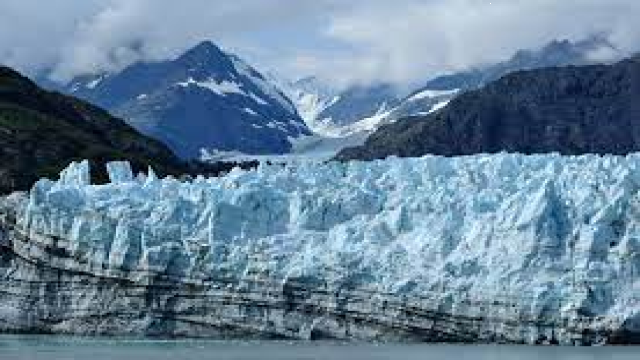
An intermontane valley is a valley located between two or more mountain ranges, typically formed through tectonic activity, structural folding, faulting, or subsequent glacial and fluvial erosion. In the context of Indian geography, these valleys are primarily situated within the Himalayan mountain system, bounded by the Great Himalayas (Himadri), the Lesser Himalayas (Himachal), and the Outer Himalayas (Shiwaliks).
Tectonic and Geomorphological Evolution
The formation of intermontane valleys in India is intrinsically linked to the collision of the Indian tectonic plate with the Eurasian plate.
Structural Depressions
The northward drift of the Indian plate created intense compressional force, resulting in the folding of the Earth’s crust. The synclinal depressions or down-warped basins between the rising parallel Himalayan ranges formed the structural base for these valleys.
Fluvial and Glacial Sedimentation
During the Pleistocene epoch, these structural depressions were frequently blocked by rising mountain ridges or glacial moraines, turning them into temporary lacustrine (lake) basins. Over millennia, rivers fed by melting glaciers deposited vast amounts of detritus, silt, and gravel into these lakes.
Drainage and Paleo-Lake Bed Exposure
Subsequent tectonic uplift or river erosion breached the natural dams, draining the lakes and exposing flat, fertile, sediment-rich valley floors. The Karewa formations of Kashmir are the most prominent geological evidence of this lacustrine sedimentation process.
Major Intermontane Valleys of India: A Regional Classification
Valleys of Jammu & Kashmir and Ladakh
The Kashmir Valley
The Kashmir Valley is an asymmetrical structural basin situated between the Zanskar Range (Great Himalayas) to the northeast and the Pir Panjal Range (Lesser Himalayas) to the southwest.
- Geological Significance: It features thick, oval-shaped lacustrine deposits known as Karewas (or Udras in local dialect), composed of sand, silt, clay, and boulder beds.
- Economic Significance: The Karewa soils are highly rich in organic matter and are uniquely suited for the cultivation of saffron (Crocus sativus), almonds, walnuts, and orchards.
- Hydrographic Feature: The Jhelum River meanders across this flat valley floor before cutting through a deep gorge at Baramulla.
The Indus Valley (Ladakh)
Located between the Ladakh Range and the Zanskar Range, this high-altitude intermontane valley is characterized by a cold desert climate, tectonic terraces, and alluvial fans.
Valleys of Jammu and Kashmir and Ladakh
| Valley Name | Mountain Ranges Involved | Key Rivers / Tributaries | Key Geological / Agricultural Fact |
| Kashmir Valley | Great Himalayas & Pir Panjal | Jhelum River | Contains Karewa formations; world-famous for GI-tagged Saffron cultivation. |
| Suru Valley | Zanskar Range & Nun-Kun Massif | Suru River (Indus tributary) | High-altitude glacial valley; Kargil town is located here. |
| Nubra Valley | Karakoram Range & Ladakh Range | Nubra and Shyok Rivers | Cold desert valley; home to the double-humped Bactrian camels and gateway to Siachen Glacier. |
Valleys of Himachal Pradesh
The Himachal Himalayas host a series of longitudinal intermontane valleys formed by the intersection of the Dhauladhar, Pir Panjal, and Great Himalayan ranges.
The Kangra Valley
An strike valley extending from the base of the Dhauladhar range to the south. It is a structural valley filled with thick alluvial deposits and is known for its intensive terrace farming and tea plantations.
The Kullu Valley
Often termed a ‘Transverse Valley’ or ‘V-shaped valley’ in its upper reaches, it transitions into an intermontane plain between the Pir Panjal and Great Himalayan ranges. It is modified significantly by glacial action and fluvial deposits from the Beas River.
The Lahaul and Spiti Valleys
These are high-altitude intermontane valleys separated by the Kunzum Pass. Lahaul is bound by the Pir Panjal and Great Himalayas, drained by the Chandra and Bhaga rivers. Spiti is a rain-shadow intermontane basin bound by the Zanskar and Great Himalayan ranges, drained by the Spiti River.
Valleys of Himachal Pradesh
| Valley Name | Mountain Ranges Involved | Key Rivers / Tributaries | Key Geological / Agricultural Fact |
| Kullu Valley | Pir Panjal & Dhauladhar | Beas River | Known as the “Valley of Gods”; famous for hydrothermal springs and apple orchards. |
| Kangra Valley | Dhauladhar Range foothills | Banger River / Beas tributaries | Characterized by Chos (seasonal torrents) and extensive tea gardens. |
| Chamba Valley | Pir Panjal & Dhauladhar | Ravi River | Noted for distinct river terraces and alpine pasturage (Gaddi tribe habitats). |
| Pangi Valley | Pir Panjal & Zanskar Range | Chandrabhaga (Chenab) | Rugged, isolated intermontane gorge with extreme off-road terrain. |
| Pin Valley | Cold desert mountains of Spiti | Pin River | Glacial valley showcasing typical periglacial landforms; hosts Pin Valley National Park. |
Valleys of Uttarakhand: The Dun Formations
In the Uttarakhand Himalayas, intermontane valleys manifest predominantly as Duns (or Doons). These are longitudinal structural valleys located between the Lesser Himalayas (Himachal) and the Outer Himalayas (Shiwalik Range).
Genesis of Dun Valleys
During the uplift of the Shiwaliks, the southward-flowing Himalayan rivers were temporarily blocked, forming vast lakes. The rivers deposited heavy gravel, pebbles, and alluvium in these lakes. When the rivers breached the Shiwalik barriers, the lakes drained out, leaving behind flat-bottomed structural valleys termed ‘Duns’ in the west and ‘Duars’ in the east.
Valleys of Uttarakhand
| Valley Name | Mountain Ranges Involved | Key Rivers / Tributaries | Key Geological / Agricultural Fact |
| Dehradun Valley | Musoorie Range (Lesser Himalaya) & Shiwaliks | Asan (Yamuna tributary) & Song (Ganga tributary) | The largest Dun valley in India, spanning 75 km in length; highly urbanized and fertile. |
| Patli Dun | Lesser Himalayas & Shiwaliks | Ramganga River | Located inside the boundaries of the Jim Corbett National Park. |
| Kota Dun | Lesser Himalayas & Shiwaliks | Kosi River basin slopes | Characterized by gravelly talus slopes and intensive cultivation. |
| Har Ki Dun | Fateh Parvat & Great Himalayas | Tons River | A cradle-shaped hanging valley formed by glacial erosion. |
Valleys of Sikkim and North-East India
The eastern section of the Indian Himalayas displays steeper gradients, narrower valleys, and higher rainfall patterns, which modify the geomorphology of its intermontane spaces.
Valleys of Northeast India
| Valley Name | Mountain Ranges Involved | Key Rivers / Tributaries | Key Geological / Agricultural Fact |
| Yumthang Valley | Great Himalayas (Sikkim) | Teesta River tributaries | Known as the “Valley of Flowers of the East”; exhibits alpine meadows and tree-line transitions. |
| Dzukou Valley | Kohima Hills (Nagaland/Manipur border) | Dzukou River | High-altitude intermontane basin known for endemic flora (Dzukou Lily) and seasonal frost. |
| Ziro Valley | Apa Tani Hills (Arunachal Pradesh) | Kele River | Flat plateau-like intermontane valley; famous for integrated wet-rice and fish culture by the Apatani tribe. |
Core Geographical and Ecological Significance
Agricultural Hotspots
Due to the accumulation of fertile alluvial soil, lacustrine clays, and perennial water supply from glacier-fed rivers, these valleys form the agricultural backbones of mountainous states. Examples include the intensive rice paddies of Kangra and Kashmir.
Micro-Climatic Zones
Intermontane valleys create distinct micro-climates shielded from cold winds by surrounding ridges. They often exhibit temperature inversions during winter nights, where cold air sinks into the valley floor, influencing local horticultural cycles.
Human Settlement and Geopolitics
The flat terrain of these valleys makes them primary zones for human habitations, urban centers, and transport corridors in otherwise inaccessible mountainous terrain. Cities like Srinagar, Dehradun, and Leh are built entirely within these intermontane structural depressions.
Last Modified: June 3, 2026