

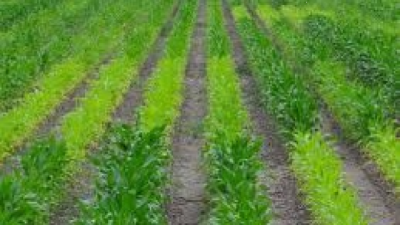
India’s diverse geographical and climatic conditions have given rise to a wide variety of soils, each with unique characteristics that influence the types of crops that can be cultivated successfully.
Alluvial Soil
Alluvial soil is one of the most fertile soil types in India, formed by the deposition of sediment carried by rivers. It is found in the Indo-Gangetic plains and is known for its high fertility and water retention capacity. This soil type is excellent for growing a wide range of crops, making it a significant contributor to India’s agricultural productivity.
Key Characteristics
- Rich in nutrients, especially nitrogen and organic matter.
- Well-draining and easy to till.
Common Crops
- Rice
- Wheat
- Sugarcane
- Cotton
- Maize
Black Soil (Regur)
Black soil, also known as Regur, is prevalent in the Deccan Plateau and some parts of Central India. It is known for its dark color and moisture-retentive properties. However, it can become hard when dry and sticky when wet, making proper soil management essential.
Key Characteristics
- High clay content.
- Rich in iron, aluminum, calcium, and magnesium.
Common Crops
- Cotton
- Soybeans
- Pulses (like chickpeas and pigeon peas)
- Oilseeds (like groundnuts and sunflower)
Red and Yellow Soil
Red and yellow soils are found in various regions across India, often in hilly and upland areas. The color is due to the presence of iron oxide. These soils are generally less fertile compared to alluvial and black soils, but with proper management, they can support a range of crops.
Key Characteristics
- Low organic matter content.
- Less water retention capacity.
Common Crops
- Millets (like jowar and bajra)
- Pulses
- Oilseeds
- Fruits (like oranges and grapes)
Laterite Soil
Laterite soil is found in regions with high temperature and heavy rainfall, such as the Western Ghats and parts of Eastern India. It is not very fertile and often requires intensive soil management practices for agricultural purposes.
Key Characteristics
- High iron and aluminum content.
- Prone to erosion and leaching.
Common Crops
- Cashew
- Rubber
- Tea
- Coffee
Desert Soil
Desert soil, as the name suggests, is found in arid and semi-arid regions like Rajasthan and Gujarat. It is characterized by its sandy texture and low water-holding capacity.
Key Characteristics
- Low organic matter.
- Poor fertility.
Common Crops
- Millets
- Pulses
- Barley
- Oilseeds
Mountain Soil
Mountain soils are found in the hilly and mountainous regions of India, including the Himalayas. These soils vary widely depending on the altitude and other factors. They tend to be shallow and prone to erosion.
Key Characteristics
- Varies based on altitude and location.
- Often rocky and low in nutrients.
Common Crops
- Apples
- Potatoes
- Temperate vegetables
Soil-Crop Suitability Table
Here’s a table summarizing the major soil types in India along with the crops that are commonly grown in them:
| Soil Type | Characteristics | Common Crops |
| Alluvial Soil | Fertile, well-draining, rich in nutrients | Rice, wheat, sugarcane, cotton, maize |
| Black Soil | High clay content, rich in minerals | Cotton, soybeans, pulses, oilseeds |
| Red/Yellow Soil | Low organic matter, less water retention | Millets, pulses, oilseeds, fruits |
| Laterite Soil | High iron/aluminum content, erosion-prone | Cashew, rubber, tea, coffee |
| Desert Soil | Sandy texture, low fertility | Millets, pulses, barley, oilseeds |
| Mountain Soil | Varies with altitude, often rocky and shallow | Apples, potatoes, temperate vegetables |
India’s agricultural landscape is as diverse as its culture and geography. The wide variety of soils present across the country play a crucial role in determining the types of crops that can be successfully cultivated.
Last Modified: February 22, 2024