
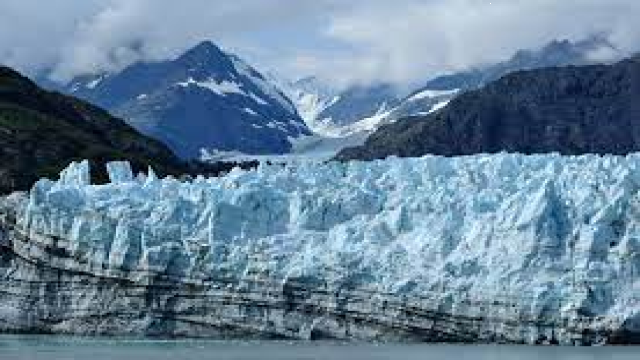

Nestled in the azure waters of the Andaman Sea, Kalapani stands as an enigmatic jewel, captivating the hearts of adventure seekers and nature enthusiasts alike. This pristine island, with its lush greenery, white sandy beaches, and rich biodiversity, offers a unique blend of tranquility and excitement.
Geographical Marvels
Kalapani is part of the Andaman and Nicobar archipelago, an Indian territory known for its natural beauty and diverse ecosystems. Situated approximately 40 kilometers east of Port Blair, the capital city of the Andaman and Nicobar Islands, Kalapani spans over 10 square kilometers. Its geographical features include dense tropical forests, mangrove swamps, and pristine coral reefs that contribute to its ecological significance.
Biodiversity Hotspot
Kalapani boasts a rich and diverse array of flora and fauna, making it a biodiversity hotspot in the region. The lush forests are home to a variety of endemic and migratory bird species, such as the Andaman wood pigeon and the Nicobar megapode. The surrounding waters teem with marine life, including vibrant coral reefs, colorful fish, and endangered sea turtles. The island’s diverse ecosystems highlight the need for conservation efforts to preserve its ecological balance.
Unique Experiences
Beyond its natural wonders, Kalapani offers unique experiences for those seeking adventure and cultural enrichment. The island provides excellent opportunities for snorkeling and scuba diving, allowing visitors to explore its vibrant underwater world. The crystal-clear waters surrounding Kalapani make it an ideal location for water sports such as kayaking and paddleboarding. Additionally, the island is dotted with historical sites, including remnants of ancient tribal settlements, providing a glimpse into the rich cultural heritage of the region.
Key Data on Kalapani
| Parameter | Data |
| Location | Andaman and Nicobar Islands, Indian Territory |
| Distance from Port Blair | Approximately 40 kilometers |
| Area | Over 10 square kilometers |
| Biodiversity | Rich in endemic and migratory species |
| Recreational Activities | Snorkeling, scuba diving, kayaking, paddleboarding |
| Cultural Heritage | Ancient tribal settlements |
Preserving Kalapani’s Ecosystem
With its growing popularity, there is a pressing need to balance tourism with conservation efforts. The fragile ecosystems of Kalapani demand sustainable tourism practices to ensure the long-term well-being of its flora and fauna. Local authorities and environmental organizations are actively engaged in initiatives to promote responsible tourism, raising awareness about the importance of preserving the island’s natural beauty.
Challenges and Conservation Efforts
Despite its allure, Kalapani faces challenges such as habitat degradation, illegal fishing practices, and potential impacts from climate change. Conservation initiatives include the establishment of marine protected areas, community-based ecotourism projects, and educational programs aimed at fostering a sense of environmental responsibility among visitors. These efforts are crucial in safeguarding Kalapani’s unique ecosystems for future generations. Kalapani in the Andaman and Nicobar Islands stands as a testament to the wonders of nature and the need for responsible tourism.
Last Modified: December 23, 2024