

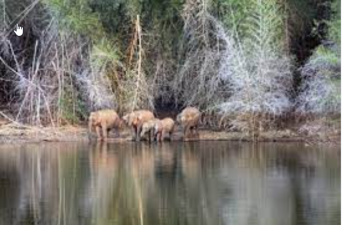
The Eastern Ghats, a vast mountain range sprawling across the eastern part of India, is a haven for biodiversity and ecological wonders. To safeguard this rich natural heritage, various protected areas have been established. These areas play a crucial role in conserving diverse ecosystems, ensuring sustainable development, and promoting scientific research.
Araku Valley Wildlife Sanctuary: Preserving Eastern Ghats’ Flora and Fauna
Nestled in the heart of the Eastern Ghats, the Araku Valley Wildlife Sanctuary stands as a testament to the region’s biodiversity. Home to a plethora of flora and fauna, this sanctuary spans over 913 square kilometers, providing a safe haven for numerous endangered species. Notable inhabitants include the Indian giant squirrel, sambar deer, and a variety of orchids. The sanctuary not only protects these species but also serves as a crucial water catchment area.
Simlipal National Park: A Jewel in Odisha’s Conservation Crown
Simlipal National Park, located in the Mayurbhanj district of Odisha, is one of the largest protected areas in the Eastern Ghats. Covering an extensive area of 2,750 square kilometers, this national park is a UNESCO Biosphere Reserve. Simlipal is renowned for its diverse ecosystems, ranging from moist deciduous forests to grasslands. The Bengal tiger, Indian elephant, and gaur are among the charismatic megafauna that find refuge in this park. Simlipal is also a vital watershed for several rivers in the region.
Koundinya Wildlife Sanctuary: A Haven for Asian Elephants
Situated in the Chittoor district of Andhra Pradesh, the Koundinya Wildlife Sanctuary is a crucial habitat for the endangered Asian elephant. Spanning over 357 square kilometers, this sanctuary is characterized by dry deciduous forests and grasslands. The Koundinya River flows through the sanctuary, providing a lifeline for the diverse flora and fauna. Conservation efforts here focus on mitigating human-wildlife conflicts and preserving the delicate balance of this unique ecosystem.
Papikonda Wildlife Sanctuary: Where Rivers and Forests Converge
Papikonda Wildlife Sanctuary, located at the confluence of the Godavari and Sileru rivers in Andhra Pradesh, is a biodiversity hotspot. Covering an area of 1,012 square kilometers, this sanctuary is known for its rich avian diversity, with over 200 bird species recorded. The critically endangered vulture species, such as the long-billed vulture, find refuge here. The sanctuary is not only a haven for wildlife but also plays a crucial role in maintaining the ecological balance of the Eastern Ghats.
Biosphere Reserves: Eastern Ghats’ Commitment to Conservation
Several areas in the Eastern Ghats have been designated as biosphere reserves, emphasizing the integration of conservation and sustainable development. The Nilgiri Biosphere Reserve, shared by Tamil Nadu, Karnataka, and Kerala, extends into the Eastern Ghats, contributing to the conservation of unique ecosystems. The biosphere reserves in the Eastern Ghats serve as living laboratories for researchers and play a vital role in maintaining the delicate ecological balance.
Key Data Table: Protected Areas in the Eastern Ghats
| Protected Area | State | Area (sq km) | Key Fauna | Notable Features |
| Araku Valley Wildlife Sanctuary | Andhra Pradesh | 913 | Indian giant squirrel, sambar deer | Water catchment area |
| Simlipal National Park | Odisha | 2,750 | Bengal tiger, Indian elephant, gaur | UNESCO Biosphere Reserve, Diverse ecosystems |
| Koundinya Wildlife Sanctuary | Andhra Pradesh | 357 | Asian elephant | Mitigating human-wildlife conflicts, Koundinya River |
| Papikonda Wildlife Sanctuary | Andhra Pradesh | 1,012 | Vultures, various bird species | Confluence of Godavari and Sileru rivers |
| Nilgiri Biosphere Reserve (partially) | Tamil Nadu, Karnataka, Kerala | Varies | Various species | Conservation and sustainable development integration |
The protected areas of the Eastern Ghats stand as guardians of a unique and diverse ecosystem. From the dense forests of Simlipal to the grasslands of Koundinya, these areas are not only vital for wildlife conservation but also play a crucial role in maintaining the ecological balance of the entire region.
Last Modified: December 23, 2024