
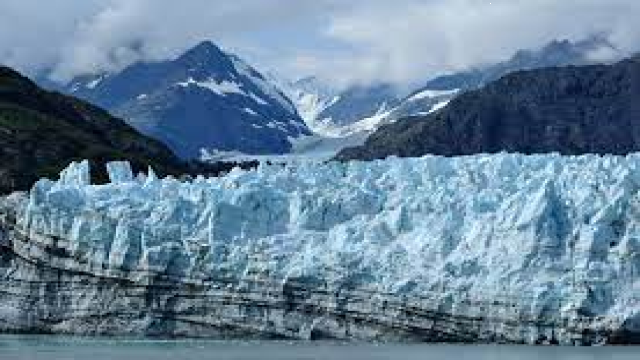
The physiographic divisions of India—comprising the Northern Mountains, Great Plains, Peninsular Plateau, Coastal Plains, and Island Territories—exert a definitive structural control over the country’s economic activities. The varying geological age, rock structure, and topographical relief across these zones determine resource distribution, agricultural patterns, industrial clusters, and infrastructural viability.
The Northern Mountains (The Himalayan Arc)
The Himalayan mountain system is a geologically young, structurally unstable, and deeply dissected terrain that shapes a specific montane economy focused on primary resources, renewable energy, and services.
Plantation Agriculture and Horticulture
- Lesser Himalayan Terraces: The gentle, well-drained slopes of the Himachal and Kumaon Himalayas are global hotspots for temperate horticulture, dominating the production of apples, pears, and stone fruits.
- The Karewa Formations: The unique lacustrine (lake-bed) terraces of the Kashmir Valley provide the specific soil mix rich in organic matter required for high-value saffron (Crocus sativus) cultivation and almond orchards.
- Eastern Himalayan Duars: The high-rainfall foothills of West Bengal (Darjeeling) and Assam (Dhemaji, Tinsukia) feature acidic, iron-rich, well-drained soils that support India’s primary orthodox and CTC tea plantation industries.
Hydroelectric Power Generation (Run-of-the-River Projects)
- High Altitudinal Head: The steep structural gradients combined with perennial, glacier-fed river systems (Indus, Ganga, Brahmaputra networks) provide massive kinetic energy potential.
- Strategic Projects: Due to high seismicity and ecological fragility, the region prioritizes Run-of-the-River (RoR) configurations. Key operational installations include the Bhakra-Nangal (Satluj), Nathpa Jhakri (Satluj), Chenab Valley projects (Salal, Dul Hasti, Ratle), and the Teesta Stage III project in Sikkim.
The Tourism and Service Economy
- Climatic Resorts: The altitudinal cooling effect led to the historical development of urban hill stations (Shimla, Mussoorie, Nainital, Darjeeling) that drive the regional hospitality, ecotourism, and adventure sports economies.
- Pilgrimage Circuits: The deep river valleys and high passes host major socio-religious corridors like the Char Dham Yatra (Yamunotri, Gangotri, Kedarnath, Badrinath) and the Amarnath Yatra, driving significant seasonal informal employment.
The Great Northern Plains
The Great Plains of India represent a massive structural foredeep filled with deep Quaternary alluvium. Characterized by a flat topography and perennial water availability, it functions as the agricultural and demographic engine of the nation.
Intensive Subsistence and Commercial Agriculture
- The Granary of India: The Punjab-Haryana plains utilize the flat terrain for high-density mechanized farming, dominating the production of surplus wheat and paddy under the canal networks of the Indus tributaries.
- The Sugarcane Belt: The upper and middle Ganga plains (Western Uttar Pradesh and Bihar) feature high-moisture Khadar (new alluvium) and Bhangar (old alluvium) soils that sustain India’s primary sub-tropical sugarcane crushing industry.
- The Jute and Paddy Delta: The low-lying, high-humidity lower Ganga-Brahmaputra plains of West Bengal feature heavy clayey alluvium ideal for intensive double-cropping of paddy and wet-cultivation of raw jute.
Agro-Based and Consumer Industrial Corridors
- Raw Material Proximity: The continuous distribution of agricultural raw materials has anchored massive clusters of sugar mills (Muzzafarnagar, Meerut), textile units, and flour mills along major transport alignments.
- Infrastructural Pliability: The absence of topographic barriers lowers the cost of laying broad-gauge rail networks, national highways, and dedicated freight corridors (Eastern DFC), enabling low-cost bulk commodity logistics.
Inland Water Transport and Fisheries
- National Waterway 1 (NW-1): The graded, smooth profile of the Ganga River between Prayagraj and Haldia permits large-scale cargo barging.
- Aquaculture: The ubiquitous presence of oxbow lakes, flood-plain wetlands (Beels in Assam, Mauns in Bihar), and perennial river channels drives a robust inland freshwater capture and culture fisheries sector.
The Peninsular Plateau Shield
The ancient, stable Peninsular block is a complex matrix of Archaean gneisses, Proterozoic sedimentary basins, and Cretaceous volcanic traps, making it India’s absolute mineral and heavy industrial core.
Mineral Extraction and Metallurgy
- The Chota Nagpur Mineral Core: Known as the “Ruhr of India,” this region spans Jharkhand, Odisha, and Chhattisgarh. It overlays the Gondwana coal fields (Damodar Valley: Jharia, Raniganj) and major iron ore belts (Singhbhum, Mayurbhanj, Keonjhar), anchoring India’s primary iron and steel plants (Jamshedpur, Bokaro, Rourkela, Bhilai).
- The Dharwar Craton: The highly metamorphosed rocks of Karnataka (Kudremukh, Bababudan Hills) yield high-grade magnetite and hematite iron ores, powering the southern steel manufacturing centers like Vijaynagar.
- The Cuddepah and Vindhyan Basins: These structural formations contain vast reserves of high-grade limestone, dolomite, and shale, which directly fuel the massive cement manufacturing clusters of Andhra Pradesh, Madhya Pradesh, and Rajasthan.
The Black Cotton Soil (Regur) Agro-Economy
- Deccan Trap Volcanism: The weathering of basaltic lava flows across Maharashtra, Gujarat, and western Madhya Pradesh has produced deep, moisture-retentive black cotton soils (Regur).
- Industrial Linkage: This physiographic zone supports India’s core cotton textile clusters in Mumbai, Ahmedabad, Indore, and Coimbatore, forming a direct farm-to-factory economic loop.
Tank Irrigation and Rain-fed Dryland Farming
- Impenetrable Bedrock: The hard crystalline granitic substrate prevents groundwater percolation and makes canal cutting difficult, forcing the adoption of tank irrigation networks.
- Millet and Oilseed Hubs: The semi-arid plateau interiors (Rayalaseema, Marathwada, Western Dry Region) are centers for climate-resilient dryland agriculture, leading in the production of coarse cereals (Sorghum, Pearl Millet, Finger Millet) and groundnuts.
The Coastal Plains and Island Territories
The interface between the continental landmass and the marine ecosystem creates a specialized coastal economy focused on international trade, maritime resources, and plantation cash crops.
Maritime Logistics and Blue Economy
- The West Coast (Submergent Shoreline): Characterized by deep natural indentations, estuaries, and lagoons, this coastline hosts major deep-draft ports like Kandla, Mumbai, Jawaharlal Nehru Port (JNPT), Marmugao, and Cochin, which handle the bulk of India’s western liquid and containerized cargo trade.
- The East Coast (Emergent Shoreline): Featuring extensive river deltas and a shallower continental shelf, this coast requires continuous dredging. It hosts major artificial and deltaic ports like Chennai, Visakhapatnam, Paradip, and Haldia, acting as the maritime gateways for trade with East Asia.
Marine Fisheries and Coastal Aquaculture
- Shelf Fishing: The wide continental shelf, particularly off the Gujarat and Malabar coasts, supports major marine fishing zones rich in pelagic and demersal resources.
- Brackish Water Prawn Farming: The extensive backwaters (Kayals) of Kerala and the low-lying coastal wetlands of Andhra Pradesh (Nellore, Krishna districts) have been converted into highly commercialized export-oriented shrimp and prawn aquaculture farms.
Plantation Economies of the Coast and Islands
- Malabar Coastal Fringe: The humid, frost-free climate combined with lateritic soils along the Western Ghats foothills supports high-value plantation economies including natural rubber, coconut, areca nut, and spices (black pepper, cardamom).
- Island Monoculture: The Lakshadweep and Andaman & Nicobar islands leverage their maritime equatorial climates for coconut and oil palm plantations, alongside developing high-end international cruise and eco-tourism enclaves.
Economic Profile Matrix of Physiographic Divisions
| Physiographic Division | Primary Geological Substrate | Core Mineral / Agricultural Output | Key Industrial Clusters | Major Infrastructural Drivers |
| Northern Mountains | Folded sedimentary & metamorphic rocks | Apples, Saffron, Tea, Timber | Agro-processing, Ecotourism, Hydropower | Border Roads (BRO), Run-of-the-River Tunnels |
| Great Northern Plains | Quaternary Alluvium (Khadar/Bhangar) | Wheat, Paddy, Sugarcane, Jute | Sugar Mills, Jute Mills, Food Processing | National Highways, Eastern Freight Corridor, NW-1 |
| Peninsular Plateau | Archaean Gneiss, Basalt, Gondwana Coal | Iron Ore, Coal, Limestone, Cotton | Iron & Steel, Cement, Heavy Engineering | Western Freight Corridor, Heavy Haul Rail Tracks |
| Coastal Plains | Marine & Fluvial Alluvium, Laterites | Coconut, Rubber, Spices, Marine Fish | Port-led Manufacturing, Oil Refineries | Sagarmala Project, Coastal Economic Zones (CEZs) |
High-Yield Economic Geography Facts
The Amarkantak Bauxite Braid
The Amarkantak Plateau acts as a critical geomorphic node where intense lateritization of the basaltic rocks has created some of India’s richest bauxite deposits, directly feeding the aluminum smelting complexes of Renukoot (Uttar Pradesh) and Korba (Chhattisgarh).
The Palakkad Gap Economic Conduit
The Palakkad Gap is a low-altitude structural break in the Western Ghats that provides a vital low-gradient rail and road logistics corridor connecting the industrial hinterlands of Tamil Nadu (Coimbatore, Erode) with the major clean-water ports of Kerala (Kochi).
Monazite Sands of the Malabar Coast
The continuous mechanical weathering of granitic rocks in the interior transport networks has led to the heavy concentration of monazite, ilmenite, and rutile placer sands along the beaches of Kerala and Tamil Nadu, forming India’s primary strategic reserve of thorium for its three-stage nuclear power program.
Rat-Hole Mining of the Meghalaya Plateau
The structural isolation and steep topography of the Tertiary coal seams in the Jaintia and Garo hills led to the widespread development of indigenous, unorganized “rat-hole mining” practices, which severely impact regional river water quality while driving the local informal economy.
Last Modified: June 3, 2026