
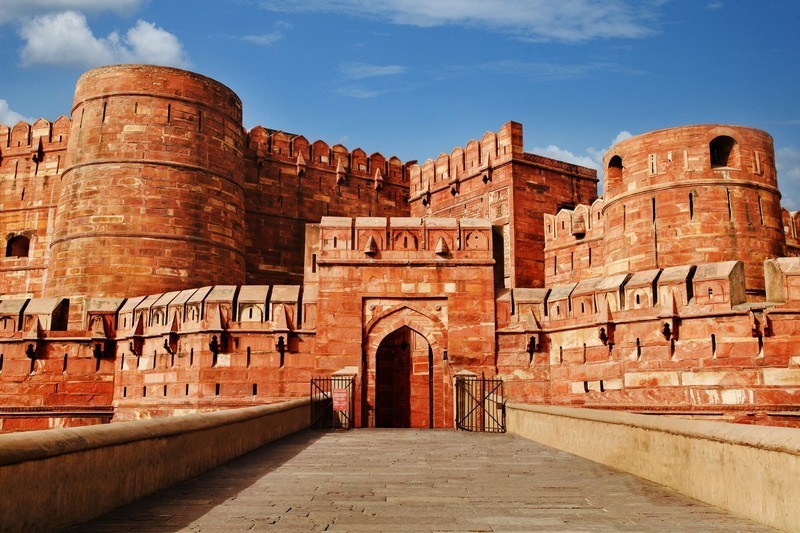
Raja Dahir (r. 663–712 CE) was the last Hindu ruler of the Chach dynasty of Sindh. His reign is primarily significant in Indian history due to the Arab invasion led by Muhammad bin Qasim, which resulted in the first permanent Islamic administrative foothold in the Indian subcontinent.
Political Status of Sindh under Raja Dahir
- Dynastic Background: Dahir was the son of Chach, a Brahman minister who usurped the throne from the Rai dynasty. This transition led to internal dissent within the kingdom, as many Buddhists and local chieftains resented the Brahminical rule.
- Geopolitical Reach: His kingdom comprised Sindh and parts of southern Punjab, with its capital at Aror (near modern-day Sukkur). The region was a prosperous trade hub connecting the Indian Ocean to Central Asia.
- Social Fabric: The population was a diverse mix of Hindus, Buddhists, and Jains. Historically, the Buddhist population felt marginalized under the Chach dynasty, which reportedly weakened the internal defensive cohesion of the state.
The Catalyst for Invasion: The Debal Incident
- The Provocation: A ship carrying presents and orphan daughters of deceased Arab merchants from the island of Ceylon to the Umayyad capital of Damascus was plundered by pirates near the port of Debal.
- The Ultimatum: Hajjaj ibn Yusuf, the Umayyad governor of Iraq, demanded that Raja Dahir punish the culprits and provide compensation.
- Dahir’s Stance: Raja Dahir refused, claiming he had no control over the pirates. This diplomatic impasse provided the Caliphate with the casus belli required for a full-scale invasion.
The Military Campaign of 712 CE
- Early Failures: Prior to the success of Muhammad bin Qasim, the Caliphate launched two unsuccessful expeditions under Ubaydullah and Budail, both of which were repelled by the forces of Sindh.
- Qasim’s Arrival: Muhammad bin Qasim reached Debal in 712 CE with a well-equipped army, including 6,000 Syrian cavalry and a specialized siege corps using the manjanik (catapult).
- The Fall of Debal: The city of Debal was captured after the temple was breached. This victory gave the Arabs a strategic port and a base for further penetration into the Indus valley.
- Battle of Aror: The final showdown took place on the banks of the Indus. Raja Dahir fought from an elephant; however, an arrow strike caused his elephant to retreat into the river, leading to chaos among his ranks. Dahir was killed in the ensuing combat, marking the end of the Chach dynasty.
Administrative Legacy and Post-Conquest Policies
- The Chachnama: Much of our primary knowledge of Raja Dahir and the conquest comes from the Chachnama, a Persian translation of an earlier Arabic chronicle.
- Dhimmis and Jizya: Following the conquest, Muhammad bin Qasim granted the status of ‘Dhimmis’ (protected people) to the Hindus and Buddhists. They were allowed to practice their religion upon payment of the Jizya tax.
- Bureaucratic Continuity: Recognizing the need for local expertise, Qasim largely retained the existing administrative apparatus. He employed local officials to manage revenue collection, ensuring stability in the agrarian economy of the Indus basin.
Comparative Context: Arab vs. Turkish Invasions
While Raja Dahir faced the Arab Caliphate, later rulers in North India faced the Turkish incursions. The differences in their approaches are summarized below.
| Feature | Arab Conquest (712 CE) | Turkish Invasions (10th–12th C) |
| Primary Objective | Punitive expedition and trade security | Wealth extraction and territorial empire |
| Nature of State | Umayyad provincial administration | Ghaznavid and Ghurid military states |
| Religious Policy | Tax-based protection (Jizya) | Frequent temple plunder; ideological fervor |
| Impact on India | Limited to Sindh and Southern Punjab | Shifted the power center to Delhi/Ganga-Yamuna |
Historical Trivia and Significance
- Scientific Exchange: The relative stability established by the Arabs in Sindh allowed for the translation of Sanskrit works on mathematics and medicine (e.g., the Brahmasphutasiddhanta of Brahmagupta) into Arabic, facilitating the “Islamic Golden Age.”
- The Buddhist Factor: Many local Buddhist governors and traders in cities like Nirun chose to surrender to Qasim without a fight, viewing the Arab administration as preferable to the Brahminical rule of Dahir.
- End of an Era: The defeat of Raja Dahir marked the first instance of a major Indian regional kingdom being formally absorbed into the administrative framework of the Islamic Caliphate, setting a precedent for future incursions from the Northwest.