
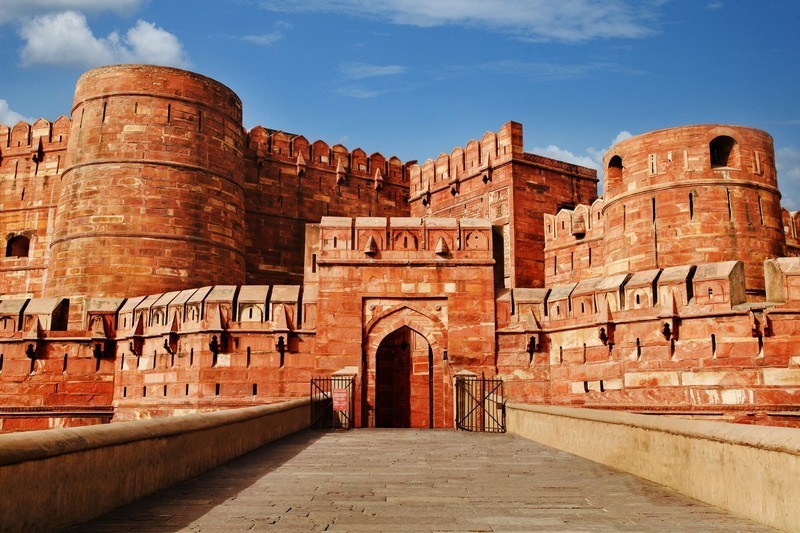
The Ghaznavid Empire (977–1186 CE) originated from a Turkic mamluk (slave) dynasty based in Ghazni, modern-day Afghanistan. It marked the transition of power in the Central Asian Islamic world from the declining Abbasid Caliphate to independent, militarily robust Turkish dynasties. The empire acted as the primary bridge for the subsequent consolidation of Turkish rule in Northern India.
Key Rulers and Military Expansion
Subuktigin (977–997 CE) was the founder of the dynasty who solidified control over the Kabul Valley. He initiated the first major conflicts against the Hindu Shahi kingdom of Jayapala, which served as the primary frontier defense between the Indus region and the Central Asian plateaus. Mahmud of Ghazni (998–1030 CE) expanded the empire into a formidable power. He conducted 17 major expeditions into India between 1000 and 1027 CE. Unlike earlier Arab incursions that were administrative in nature, Mahmud’s campaigns focused on deep-penetration raids to extract wealth and secure the frontier against potential threats from the Hindu Shahis. Masud I (1030–1040 CE) succeeded Mahmud, continuing the policy of westward expansion while maintaining Ghaznavid control over the Punjab region. However, the dynasty faced increasing pressure from the Seljuk Turks in Central Asia, leading to a shift in the empire’s focus toward the Indian subcontinent for resources and strategic depth.
Objectives of the Ghaznavid Incursions
The primary objective of the Ghaznavid invasions was the accumulation of wealth. Temple-towns were targeted because they served as repositories of bullion and precious metals, which were essential for funding the large mercenary armies required to maintain the Ghaznavid state. Strategic consolidation was a secondary, yet critical, motive. By occupying the Punjab, the Ghaznavids established a permanent military garrison in India. This provided a staging ground for deeper raids into the Gangetic plains and served as a buffer zone for their Central Asian territories.
Administrative and Military Innovations
The Ghaznavid army was characterized by highly mobile Turkish horse archers. This tactical innovation gave them a significant advantage over the traditional, infantry-heavy Indian armies that relied on slow-moving elephant corps. The dynasty utilized an early form of the Iqta system. Military commanders and provincial governors were granted the right to collect land revenue from specific regions in exchange for maintaining a fixed number of troops ready for the Sultan’s service. This system centralized military power and ensured a constant supply of soldiers without draining the central treasury.
Administrative and Military Comparison: Arab vs. Ghaznavid
| Feature | Arab Conquest (Sindh, 712 CE) | Ghaznavid Incursions (11th Century) |
| Primary Base | Sindh (Mansura) | Ghazni (Afghanistan) |
| Core Focus | Trade and provincial expansion | Resource extraction and plunder |
| Nature of State | Caliphate provincial model | Independent Turkish military state |
| Administrative Impact | Retention of local bureaucracy | Introduction of the Iqta system |
Vulnerabilities of Indian Kingdoms
The success of the Ghaznavid raids was facilitated by the intense political fragmentation of Northern India. The absence of a unified confederacy allowed the Ghaznavids to defeat regional powers, such as the Hindu Shahis, the Chandellas, and the Pratiharas, in isolation. Indian rulers displayed tactical rigidity, relying on traditional battle formations that could not adapt to the high-speed, flexible maneuvers of the Central Asian cavalry. Furthermore, the lack of a coordinated intelligence network prevented regional kings from anticipating the scale and frequency of Mahmud’s raids.
Intellectual and Cultural Milieu
The Ghaznavid court was a major center for Persianized intellectual life. The empire provided patronage to scholars whose works remain essential for historical study:
- Al-Biruni: A polymath who accompanied Mahmud and authored the Kitab-ul-Hind, the most comprehensive study of Indian society, science, and philosophy of the era.
- Utbi: The court historian who documented the military campaigns of Mahmud of Ghazni, providing a contemporary perspective on the Ghaznavid administration.
- Firdausi: The author of the Shahnameh, who, while initially associated with the court, highlights the focus on Persian identity within the Turkish-led administration.
Decline and Succession
By the mid-12th century, the Ghaznavid Empire faced internal decay and external pressure from the Ghurids, a rival dynasty from the Ghor region of Afghanistan. The Ghurids captured Ghazni in 1151 CE, forcing the Ghaznavids to shift their capital to Lahore. The dynasty officially ended in 1186 CE when Muhammad Ghori conquered Lahore. This event marked the transfer of Ghaznavid military infrastructure and territorial holdings in Punjab to the Ghurids, which became the launchpad for the conquest of Delhi in 1192 CE and the subsequent establishment of the Delhi Sultanate in 1206 CE.
Last Modified: June 19, 2026