
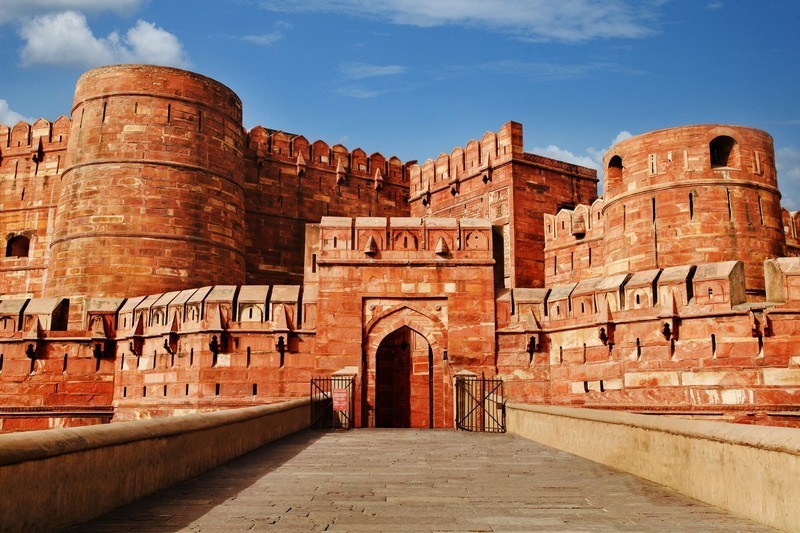
The Punjab region served as the primary theater for the transition from the Arab-dominated maritime trade model to the Turkish-led military and territorial conquest model. Situated between the Khyber Pass and the Gangetic plains, it acted as the “Gateway to India” for invaders emerging from Central Asia.
The Decline of the Hindu Shahis
The Hindu Shahi dynasty (Kabul and Punjab) served as the primary frontier defense against the rising power of the Ghaznavids.
- The dynasty was founded by Kallar and reached its peak under rulers like Jayapala and Anandapala.
- Their defeat by Subuktigin and subsequently Mahmud of Ghazni effectively removed the last major barrier protecting the Indian heartland.
- The fall of the Hindu Shahis was exacerbated by the lack of a unified military confederacy among Indian regional powers.
Ghaznavid Administrative Foothold in Punjab
Unlike the temporary raids conducted in the Gangetic plains, the Ghaznavids established a permanent administrative and military presence in Punjab.
- Lahore (Lohawar) became the secondary capital of the Ghaznavid Empire, especially after the loss of Ghazni to the Ghurids in 1151 CE.
- The region was governed through the Iqta system, a military-administrative device where revenue collection rights were assigned to Turkish military commanders (Iqtadars) in exchange for maintaining troops.
- The governance of Punjab established a template for the administrative structure later perfected by the Delhi Sultanate.
Military Infrastructure and Tactics
The Ghaznavid hold on Punjab was maintained through a sophisticated military apparatus that differed sharply from contemporary Indian military systems.
- Use of Central Asian Cavalry: The Ghaznavid army utilized light, highly mobile horse archers, which possessed superior maneuverability compared to the static, elephant-dependent Indian infantry.
- Permanent Garrisoning: Punjab was transformed into a network of military outposts, ensuring a constant supply of troops and logistical support for campaigns further east.
- Logistical Sophistication: The Ghaznavids maintained well-organized supply lines through the mountain passes of Afghanistan, ensuring that their Indian garrisons were well-integrated with the central authority in Ghazni or Lahore.
Comparative Administrative Analysis of Punjab
| Feature | Arab Administration (Sindh) | Ghaznavid Administration (Punjab) |
| Core Philosophy | Decentralized/Trade-focused | Centralized/Military-focused |
| Revenue System | Land tax (Kharaj) on Dhimmis | Iqta system/Military revenue assignments |
| Capital | Mansura | Lahore |
| Primary Elite | Arab administrators/Local chiefs | Turkish military officers/Persian bureaucrats |
Intellectual and Cultural Milieu
The Ghaznavid administration in Punjab became a melting pot for intellectual exchange, facilitating the transmission of knowledge between the Indian subcontinent and the Islamic world.
- Persianization: The Ghaznavids shifted the administrative language of the region from Sanskrit/Prakrit to Persian, which remained the lingua franca of Indian administration until the 19th century.
- Scientific Transmission: The presence of polymaths like Al-Biruni in the Ghaznavid retinue allowed for the documentation of Indian mathematical, astronomical, and philosophical systems.
- Sufi Roots: The roots of Sufism in India can be traced to this period in Punjab, with early mystics providing a cultural bridge that facilitated the gradual integration of the region into the broader Islamic cultural sphere.
Vulnerabilities Leading to Ghurid Success
Despite the strength of the Ghaznavid military infrastructure in Punjab, the dynasty eventually succumbed to internal decay and external threats.
- Fragmentation of Power: Following Mahmud of Ghazni, the empire struggled with succession disputes, weakening central authority.
- The Rise of the Ghurids: The Ghurids, a rival dynasty from the Ghor region, capitalized on Ghaznavid military exhaustion. By 1186 CE, Muhammad Ghori extinguished the last remnants of Ghaznavid rule in Lahore.
- Shift of Authority: The fall of the Ghaznavids in Punjab provided the Ghurids with the necessary military infrastructure and forward bases to launch the decisive invasion of the Gangetic plains, leading to the Second Battle of Tarain (1192 CE) and the subsequent birth of the Delhi Sultanate in 1206 CE.
Key Historical Facts
- The Ghaznavids were the first to issue coins with both Arabic and Sanskrit inscriptions (the bilingual coinage), indicating a pragmatic approach to governance and commerce.
- Punjab was the site of the first major military defeat of a unified Indian force by a Central Asian Turkish power, fundamentally changing Indian military strategy for the next several centuries.
- Lahore’s transformation into a major administrative center allowed for the synthesis of Iranian architectural styles with indigenous Indian craftsmanship, a precursor to the later Delhi Sultanate architectural school.