
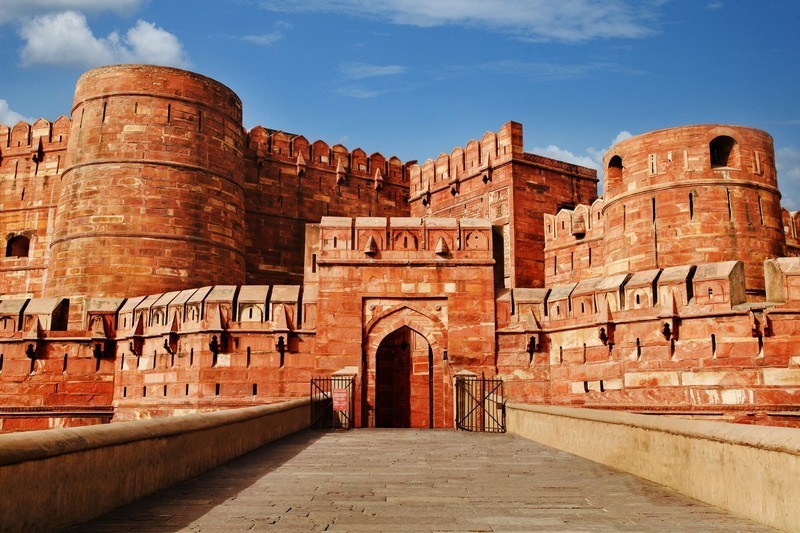
Qutb-ud-din Aibak was a Turkic Mamluk (slave) general who served as the primary lieutenant of Muhammad Ghori. Following Ghori’s death in 1206 CE, Aibak consolidated his control over the Ghurid territories in India, laying the institutional foundation for the Delhi Sultanate and establishing the Mamluk (Slave) Dynasty.
Rise through Military Service
Aibak’s rise was marked by his unwavering loyalty and military acumen during Ghori’s expansion into Northern India.
- Early Career: Purchased by Ghori from a slave market in Nishapur, Aibak quickly demonstrated tactical excellence and rose through the ranks to become the Sipah-salar (Commander-in-chief) of Ghori’s Indian forces.
- Role at Tarain: Aibak played a critical role in the Second Battle of Tarain (1192 CE), where his leadership was instrumental in the defeat of Prithviraj Chauhan.
- Administrative Delegation: Following the consolidation of Delhi, Ghori appointed Aibak as his Viceroy (Naib-us-Sultanat) in India. He managed the systematic expansion of Ghurid authority across the Gangetic plains.
- Conquest of Ajmer and Delhi: Aibak oversaw the administrative integration of Ajmer and the strategic fortification of Delhi, transforming it into a major administrative nerve center for the nascent Sultanate.
Establishment of the Delhi Sultanate (1206 CE)
The power transition in 1206 CE was pivotal, as Aibak navigated the political vacuum left by Ghori’s assassination to establish independent rule.
- Formal Recognition: Although he effectively exercised sovereign power from 1206, Aibak received the letter of manumission and the insignia of sovereignty from Ghiyas-ud-din Mahmud (Ghori’s successor) in 1208 CE.
- Political Legitimacy: He refrained from issuing coins in his own name or having the Khutba read in his name initially, maintaining a formal connection to the Ghori lineage to ensure stability.
- Capital Selection: While Lahore remained his primary base of operations due to its proximity to the northwestern frontier, Delhi was developed as a center of administrative and cultural influence.
Administrative and Architectural Legacy
Aibak’s brief reign (1206–1210 CE) is noted for balancing military consolidation with the initiation of major architectural projects that signaled the arrival of Islamic political authority in India.
- Qutb Minar: Aibak initiated the construction of the Qutb Minar in Delhi to commemorate the victory of Islam, dedicated to the Sufi saint Qutb-ud-din Bakhtiyar Kaki.
- Quwwat-ul-Islam Mosque: He built the first mosque in Delhi, the Quwwat-ul-Islam (Might of Islam), which was constructed using materials salvaged from 27 demolished Hindu and Jain temples, marking a symbolic architectural assertion.
- Adhai Din Ka Jhonpra: In Ajmer, Aibak commissioned this mosque, which was similarly constructed on the site of a dismantled Sanskrit college.
- Agrarian Management: He maintained the Iqta system established by the Ghurids, assigning revenue-collecting rights to Turkish military commanders to ensure the sustained maintenance of his standing army.
Characteristics of Aibak’s Rule
| Feature | Description |
|---|---|
| Dynasty | Mamluk (Slave) Dynasty |
| Reign Period | 1206–1210 CE |
| Capital City | Lahore |
| Primary Title | Lakh-Bakhsh (Giver of Lakhs) |
| Major Achievement | Foundation of the Delhi Sultanate |
Historical Facts and Trivia
- Lakh-Bakhsh: Aibak was famously known as ‘Lakh-Bakhsh’ due to his reputation for immense generosity and the distribution of wealth among his followers and scholars.
- Death: Aibak died in 1210 CE after a fall from his horse while playing Chaugan (a medieval form of polo) in Lahore.
- Succession Crisis: Upon his death, his son Aram Shah briefly succeeded him but was quickly deposed by Iltutmish, who is considered the ‘real consolidator’ of the Delhi Sultanate.
- Architectural Style: The buildings commissioned by Aibak exhibit the earliest synthesis of indigenous Indian craftsmanship with Central Asian Islamic structural forms, such as the pointed arch and the minaret.
- Military Foundation: His administration successfully integrated the diverse Turkish military elites who had participated in the Ghurid invasions, preventing the immediate fragmentation of the conquered territories after Ghori’s death.