
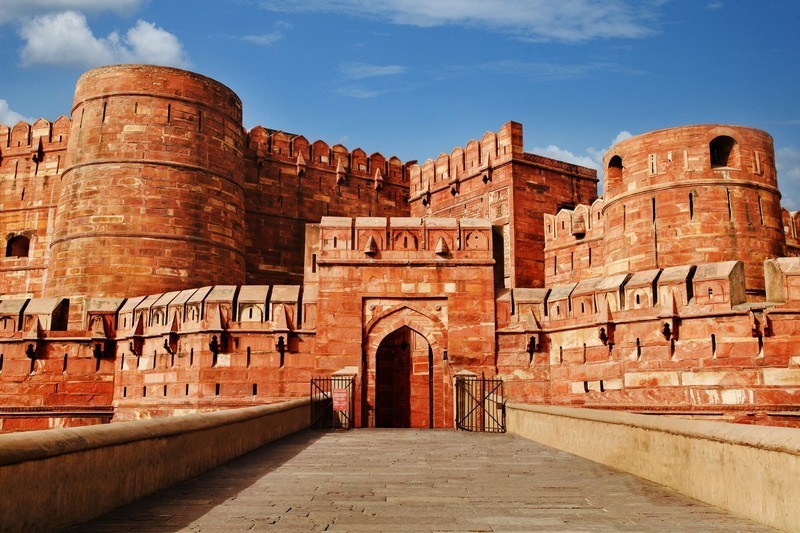
The conquest of Bihar by Ikhtiyar Uddin Muhammad bin Bakhtiyar Khalji, a general under Muhammad Ghori, occurred between 1197 and 1200 CE. This event was not a part of a centrally directed military plan by Ghori but an autonomous expansion led by Khalji, who sought to carve out an independent dominion in the eastern Gangetic plains. The conquest effectively dismantled the administrative and intellectual framework of the Pala-era legacy.
Military Strategy and Destruction of Centers
Khalji utilized a small, highly mobile cavalry force to strike key administrative and cultural centers in Bihar. His military methodology relied on speed and the element of surprise, which allowed his small unit to overpower local defenses.
- Destruction of Monastic Hubs: Khalji’s forces targeted Buddhist monastic universities, which were the primary institutions of authority in pre-Turkish Bihar. The invaders mistook these monastic complexes for fortresses.
- Odantapuri and Vikramshila: These major Buddhist learning centers were systematically sacked. The destruction included the burning of libraries and the scattering of the resident monastic communities, which effectively signaled the collapse of the last organized strongholds of Buddhism in the subcontinent.
- Nalanda University: Historical accounts note the destruction of Nalanda, including its library, the Ratnasagara. The collapse of these institutions led to the dispersal of scholars, many of whom migrated to Tibet and Nepal, marking the end of a long tradition of organized Buddhist education in the region.
The Role of Bakhtiyar Khalji
Bakhtiyar Khalji was a member of the Khalji clan, a group of Turks who had migrated to the Delhi region following the Ghurid invasions. His actions in Bihar demonstrated the decentralized nature of the early Turkish expansion, where commanders often operated as de facto independent rulers.
- Administrative Consolidation: After seizing control, Khalji installed his own military commanders (Khalji maliks) in strategic towns.
- Revenue Extraction: The administration in Bihar functioned primarily to extract agricultural surplus to sustain the occupying military garrisons.
- Frontier Governance: Khalji’s rule in Bihar was an extension of the frontier military model, where the governor maintained full authority over both civil and military matters, owing only nominal allegiance to the Sultan in Delhi.
Comparative Summary of Turkish Eastern Expansion
| Feature | Bihar Conquest (1200 CE) | Bengal Conquest (1204 CE) |
| Primary Objective | Dismantling monastic strongholds | Seizing political/administrative capitals |
| Dynastic Impact | End of Pala-era Buddhist influence | End of Sena dynasty rule |
| Administrative Center | Bihar Sharif | Lakhnauti (Gaur) |
| Military Focus | Rapid cavalry raids | Surprise capture of capital cities |
Factors Facilitating the Conquest
The rapid fall of Bihar to a small Turkish force is attributed to the political and social conditions of the region at the time.
- Structural Isolation: The Buddhist monastic institutions functioned as insular entities that were disconnected from the military realities of the surrounding regional populations.
- Lack of Centralized Defense: The regional political landscape of Bihar was fragmented, with no cohesive military confederacy capable of responding to high-speed cavalry incursions.
- Tactical Surprise: The Turkish use of rapid-movement horse archers caught local administrators unprepared. The Sena dynasty, which exerted influence over the region, failed to provide a coordinated response, leaving the interior largely undefended.
Legacy and Historical Significance
The conquest of Bihar by the Ghurid forces fundamentally altered the religious and social trajectory of Eastern India.
- End of Buddhism as an Organized Religion: The destruction of the great monasteries marked the terminal point for organized Buddhism in India. The loss of institutions meant that Buddhism as a widespread, institutionalized faith could no longer be sustained.
- Integration into the Sultanate Network: Bihar was integrated into the burgeoning military-administrative network of the Delhi Sultanate. It served as a vital staging ground for further expansions into Bengal and later into the northeastern frontier regions.
- Historical Documentation: Much of the history of this conquest is derived from the Tabaqat-i-Nasiri by Minhaj-i-Siraj, who visited the region decades later. His accounts highlight the shock of the contemporary populace at the suddenness and ferocity of the Turkish military success.
- Khalji Rule: The presence of the Khalji military elite in Bihar influenced the region’s political landscape for the early 13th century, before the region was eventually more fully integrated into the administrative structure of the Delhi Sultanate under Iltutmish.