
The Ghurid incursions into Northern India at the end of the 12th century triggered a series of major conflicts between the invading forces of Muhammad Ghori and the various Rajput confederacies. The Rajput resistance was characterized by localized defense, traditional warfare, and significant regional coalition-building.
Key Conflict Points and Chronology
- 1175 CE: Muhammad Ghori captured Multan and Uchch, marking his entry into the Indus region.
- 1178 CE: The Battle of Kayadara (near Mount Abu) saw the forces of Mularaja II of the Chaulukya dynasty (Gujarat) defeat Ghori. This was the first major setback for the Ghurids in India.
- 1191 CE: The First Battle of Tarain occurred between Prithviraj Chauhan (Chauhamana dynasty) and Ghori. Prithviraj Chauhan emerged victorious, forcing the Ghurid army to retreat toward Ghazni.
- 1192 CE: The Second Battle of Tarain resulted in a decisive victory for Muhammad Ghori. The defeat of Prithviraj Chauhan is considered the watershed moment that opened the Indo-Gangetic plain to Turkish occupation.
- 1194 CE: The Battle of Chandawar saw the defeat of Jayachandra of the Gahadavala dynasty by the forces of Qutb ud-Din Aibak, Ghori’s primary commander, effectively neutralizing the last major rival power in the Gangetic heartland.
Factors Contributing to Rajput Resistance
- Defensive Strategy: Rajput resistance was primarily defensive, focusing on the protection of regional capitals and holy sites rather than long-term strategic expansion.
- Warrior Ethos: The Rajput military tradition was deeply rooted in Dharma-yuddha (righteous war), emphasizing individual heroism, personal honor, and battlefield conduct.
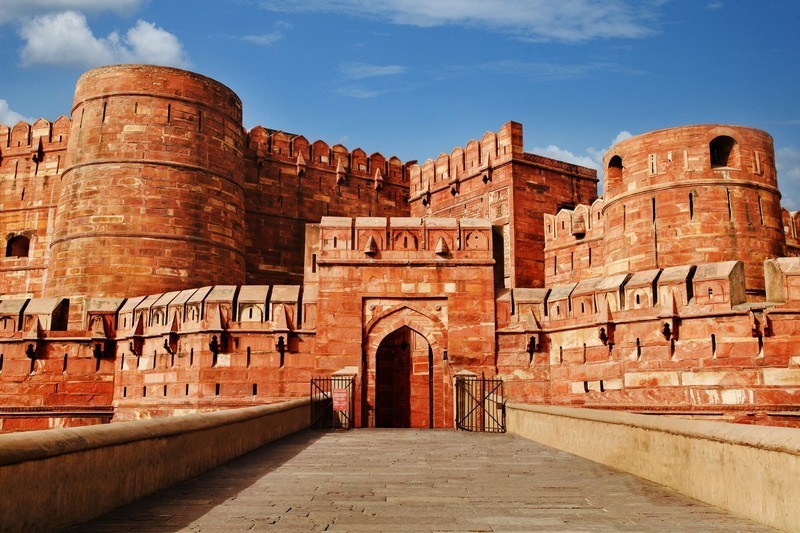
- Fortification: The Rajputs relied on massive, impregnable hill forts (such as Chittorgarh and Ranthambore) to serve as bases for resistance and retreats.
- Numerical Strength: The Rajput armies possessed significant infantry and cavalry strength, drawing on the feudal levies of various smaller regional chieftains.
Reasons for Turkish Success
The ultimate failure of the Rajput resistance against the Turkish military machine can be attributed to specific tactical and organizational disparities.
- Lack of Unified Command: Indian resistance was fragmented into competing kingdoms (Chauhan, Gahadavala, Chaulukya, Paramara). Frequent internal rivalries prevented the formation of a permanent, unified front against the invaders.
- Tactical Rigidity: Rajput military doctrine was heavily dependent on slow-moving infantry and large war elephants. In contrast, the Turkish forces utilized highly mobile, horse-archer-based light cavalry.
- Technological Disparity: The Turkish use of the composite bow and stirrups (which allowed for greater stability and accuracy while riding) provided a distinct battlefield advantage over the traditional Indian infantry units.
- Intelligence and Logistics: The Turkish invaders maintained robust intelligence networks and supply lines connecting them to the Central Asian steppes, ensuring continuous recruitment and operational sustainability.
Comparative Analysis of Military Doctrine
| Feature | Rajput Military Model | Turkish Military Model |
| Primary Force | Infantry and War Elephants | Mobile Horse Archers |
| Command Structure | Decentralized/Feudal | Centralized/Hierarchical |
| Tactical Focus | Heroic single combat; frontal assault | Hit-and-run; feigned retreats |
| Strategic Goal | Protecting territorial integrity | Expansion and empire-building |
Impact of the Ghurid-Rajput Conflicts
- End of the Rajput Hegemony: The loss of major battles destroyed the central authority of kingdoms like the Chauhans and Gahadavalas, leading to a transition in political power.
- Shift in Warfare: The dominance of the cavalry-based military model over the infantry-elephant model forced a gradual evolution in how Indian states approached military organization in subsequent centuries.
- Urban Realignment: The capture of strategic cities like Delhi, Ajmer, and Kannauj forced the centers of gravity in Indian politics to shift away from traditional regional strongholds.
- Continuity of Resistance: Despite the loss of the North Indian plains, Rajput resistance did not vanish. It transitioned into decentralized, long-term guerrilla resistance, particularly in regions like Rajasthan, which continued to challenge the Sultanate’s authority for decades.
Historical Trivia
- The Battle of Kayadara (1178 CE) is noted for the leadership of Queen Naikidevi, who led the Chaulukya forces on the battlefield against Ghori.
- Following the Second Battle of Tarain, the death of Prithviraj Chauhan led to a brief period where the Ghurids initially kept his son, Govindaraja, on the throne as a vassal, demonstrating that the Turkish conquest was at first an exercise in tributary politics before shifting to direct rule.
- The defeat of the Gahadavala dynasty in 1194 CE at Chandawar was significant because Jayachandra was often depicted in later literature as a rival to Prithviraj Chauhan, highlighting the internal disunity that assisted Turkish expansion.