
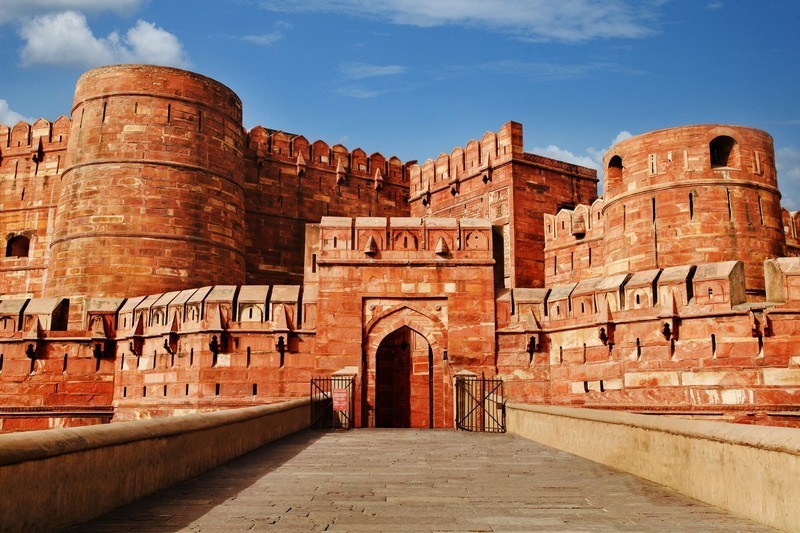
Malik Kafur (died 1316 CE) was a legendary military commander and the principal advisor to Sultan Alauddin Khalji. Known as Hazar Dinari—a reference to the 1,000 dinars Alauddin paid for him—Kafur rose from slavery to become the Naib-i-Sultan (Deputy Sultan), wielding near-absolute power during the final years of the Khalji Dynasty.
Rise to Power and Military Origins
Kafur was a captive taken during the 1299 CE Gujarat campaign. Originally a Hindu convert to Islam, his intelligence, military acumen, and unwavering loyalty facilitated a rapid ascent through the ranks of the Delhi Sultanate.
- Acquisition: Purchased by Nusrat Khan from a merchant in Cambay (Khambat) for 1,000 gold dinars.
- Promotion: Earned Alauddin’s trust through his performance in border defense and internal security, eventually replacing older, established nobles in the Sultan’s inner circle.
- The Title: He was formally titled Malik Naib (Vice-Regent), effectively making him the supreme executive authority when the Sultan’s health declined toward the end of his reign.
Southern Campaigns: The Deccan Expansion
Malik Kafur’s primary historical contribution was the systematic conquest of the Deccan and South India. These campaigns shifted the Sultanate’s focus from mere border defense to the extraction of vast wealth from the southern kingdoms.
- Devagiri (1307–1308 CE): Kafur defeated the Yadava ruler Ramachandra Deva, who was then forced to become a tributary vassal of Delhi.
- Warangal (1309–1310 CE): Targeted the Kakatiya kingdom. Ruler Prataparudra II surrendered and surrendered immense riches, including the famous Koh-i-Noor diamond.
- Dwarasamudra (1310–1311 CE): Kafur led an army against the Hoysala ruler Vira Ballala III, who accepted tributary status to avoid the destruction of his capital.
- Madurai (1311 CE): The southernmost point of the campaign against the Pandya Kingdom. Kafur extensively looted the temples of the region, including the famous Chidambaram temple, and returned to Delhi with unprecedented quantities of gold, silver, and war elephants.
Administrative and Political Influence
Kafur’s influence transcended the battlefield; he played a decisive role in the internal politics of the Khalji court.
- Centralization: He acted as the primary enforcer of Alauddin’s market regulations and revenue reforms, ensuring that the wealth extracted from the south was efficiently funneled into the state treasury.
- Court Control: As the Sultan’s health failed, Kafur managed the bureaucracy and neutralized potential rivals among the old guard of the nobility.
- The Regency: Upon Alauddin’s death in 1316 CE, Kafur acted as the regent for the young heir, Shihabuddin Omar. He attempted to consolidate his grip on the throne by blinding other potential claimants, including Mubarak Khalji.
Strategic Objectives and Military Doctrine
The campaigns led by Kafur were not aimed at permanent territorial annexation of South India, which the Sultan recognized as logistically impossible to govern directly from Delhi.
- Tribute-Based Governance: The primary goal was to reduce southern kingdoms to tributary status, ensuring consistent annual payments of wealth.
- Resource Extraction: The gold and elephants brought back by Kafur were essential to financing the massive standing army required to guard the northwestern frontiers against Mongol incursions.
- Intelligence-Led Warfare: Kafur utilized an advanced network of scouts and guides to navigate the difficult terrain of the Vindhyas and the Deccan Plateau, a feat previous northern commanders had failed to achieve.
Key Facts and Data Summary
| Feature | Details |
| Alias | Hazar Dinari |
| Primary Role | Naib-i-Sultan (Vice-Regent) |
| Principal Achievement | First Muslim commander to lead successful raids into South India |
| Major Acquisitions | Koh-i-Noor Diamond, massive elephant herds, immense gold reserves |
| End of Life | Assassinated by palace guards shortly after Alauddin’s death in 1316 CE |
Historical Assessment and Legacy
Kafur’s legacy is a subject of significant historical debate. While he is often portrayed as a ruthless opportunist, his military achievements remain unmatched in the context of medieval expansionism.
- Redefining Sultanate Limits: His success demonstrated the reach of the Delhi Sultanate and set a precedent for future rulers, such as Muhammad bin Tughlaq, who would later attempt direct rule over the Deccan.
- The End of the Khalji Dynasty: Kafur’s attempt to dominate the state after Alauddin’s death triggered a period of severe instability. His assassination by the palace guards shortly after his rise to power precipitated the rapid decline of the Khalji dynasty, leading to the rise of the Tughlaq era within four years.
- Contribution to Islamic Architecture: During his time as the governor and commander, he oversaw the repair and expansion of various fortifications, although his primary focus remained military rather than architectural patronage.