
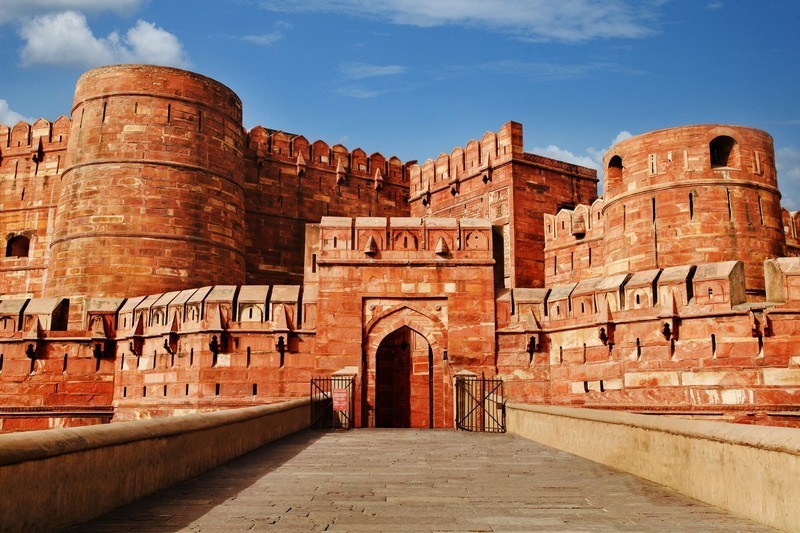
The Khalji Dynasty, particularly under Alauddin Khalji, revolutionized the relationship between the Delhi Sultanate and Southern Indian kingdoms. Unlike the North Indian campaigns, which largely aimed at direct territorial annexation and administrative integration, the Deccan policy was characterized by a pragmatic model of ‘Tributary Subjugation.’ This approach recognized the logistical impossibility of maintaining direct control over the vast distances of the Deccan and South India while simultaneously defending the northwestern frontiers against Mongol threats.
Strategic Objectives of the Tributary Model
The primary motivation for the Khalji Deccan policy was economic. The Sultanate required a consistent supply of liquid wealth to maintain a massive permanent standing army.
- Fiscal Sustainability: The immense cost of defending the frontiers against Mongol incursions necessitated a reliable annual income. By turning southern kingdoms into tributaries, the Sultanate secured this revenue without the fiscal burden of governing distant territories.
- Logistical Feasibility: The Deccan plateau’s rugged terrain and the vast distance from Delhi made the establishment of provincial administration (as seen in Malwa or Gujarat) strategically risky and costly.
- Resource Extraction: Beyond cash tribute, the policy aimed to extract precious metals, high-quality war horses, and war elephants, which were essential for modernizing the Sultanate’s cavalry-based military.
Modus Operandi of Tributary Subjugation
The implementation of this policy was primarily executed by Malik Kafur (Malik Naib). The process generally followed a standardized diplomatic and military pattern.
- Military Pressure: Sultanate forces would launch a swift, targeted strike on the kingdom’s capital to demonstrate overwhelming military superiority, often utilizing advanced siege-craft.
- Diplomatic Capitulation: Rather than total destruction or annexation, the local ruler was offered an honorable submission. If the ruler accepted vassalage, they were typically reinstated on their throne.
- Token of Submission: Rulers were required to sign a formal treaty, pledge annual tribute, and provide military assistance when called upon.
- Hostage System: To ensure compliance, crown princes or members of the royal family were occasionally taken to Delhi as hostages, where they were treated with regal status to maintain diplomatic channels.
Key Tributary States and Their Status
The Khalji Sultanate successfully converted the major powers of the Deccan and South India into tributary vassals through this policy.
| Kingdom | Dynasty | Ruler at Time of Submission | Outcome |
| Devagiri | Yadava | Ramachandra Deva | Became a loyal vassal; served as a logistical hub for further southern campaigns. |
| Warangal | Kakatiya | Prataparudra II | Paid massive tribute; surrendered vast treasures, including the Koh-i-Noor. |
| Dwarasamudra | Hoysala | Veera Ballala III | Avoided capital destruction; provided military intelligence for the Pandya campaign. |
| Madurai | Pandya | Sundara/Vira Pandya | Sack of the capital; forced tributary status after civil war intervention. |
Administrative and Political Implications
The policy of tributary vassalage led to significant shifts in the Sultanate’s internal and external dynamics.
- Integration of Regional Power: The Yadavas of Devagiri, in particular, acted as an essential regional ally, providing provisions and scouting detachments that made subsequent campaigns into the deep south possible.
- Political Legitimacy: The Sultan of Delhi began to project himself as a paramount sovereign, with other regional kings recognizing his suzerainty. This shifted the Sultanate’s image from a Northern regional power to an all-India imperial authority.
- Continuity of Local Governance: By allowing local dynasties to remain in power, the Khaljis preserved the existing revenue collection systems and social structures, minimizing local resistance and guerrilla warfare.
Historical Significance and Analysis
The Deccan tributary policy is considered a watershed moment in the administrative history of the Delhi Sultanate.
- Prototype for Future Policies: This model served as a precursor to the policies later adopted by the Mughals, who also utilized the concept of ‘tributary zamindars’ and vassal kings to extend their reach across the subcontinent.
- Economic Buffer: The steady inflow of wealth from the south served as the economic backbone for Alauddin Khalji’s market reforms. It effectively prevented the fiscal collapse of the state during periods of harvest failure or intense military mobilization.
- Limitations of the Policy: The major shortcoming of this policy was its heavy reliance on the personality of the Sultan and the military presence of his commanders. Once central authority in Delhi weakened, these vassal kingdoms frequently asserted their independence, as seen during the transition from the Khalji to the Tughlaq dynasty.
Trivia for Prelims
- Ramachandra Deva, the Yadava ruler, was granted the title ‘Rai Rayan’ by Alauddin Khalji, reflecting the formal recognition of his status as a vassal.
- The Hoysala ruler Veera Ballala III visited Delhi in 1313 CE, where he was personally honored by Alauddin, demonstrating the diplomatic sophistication of the tributary arrangement.
- The immense quantity of wealth transported from the south to Delhi after the Madurai campaign is described in contemporary records as requiring hundreds of elephants and camels, highlighting the extreme scale of the extraction.
- The tributary policy allowed for the survival of indigenous architectural styles in the South, as these were not targeted for destruction once the ruler submitted to the Sultanate.