
Ghiyasuddin Tughlaq, originally known as Ghazi Malik, founded the Tughlaq Dynasty in 1320 after defeating the last ruler of the Khalji Dynasty, Khusrau Khan. His ascent to power marked the end of the brief and unstable period following Alauddin Khalji’s death. As a seasoned military commander who had successfully defended the northwestern frontiers against Mongol incursions for years, his reign focused on restoring administrative order and financial stability to the Sultanate.
Political and Administrative Reforms
Ghiyasuddin Tughlaq’s primary administrative goal was to reverse the fiscal disorder that had emerged during the final years of the Khalji rule. He prioritized the restoration of the state’s financial health and the revitalization of the agricultural sector.
- Reorganization of Revenue: He abolished the exorbitant taxes introduced by his predecessors and focused on a moderate revenue demand.
- Encouragement of Agriculture: He issued directives to provincial officials to promote cultivation and provide state support to farmers. Irrigation projects, including the construction of canals, were prioritized to increase agricultural productivity.
- Justice and Order: He emphasized the rule of law, making the judicial system more accessible and reducing the influence of corrupt officials. He sought to create a balanced administration that relied on both experienced military commanders and efficient bureaucrats.
- Postal and Intelligence Systems: He strengthened the dak (postal) network to ensure efficient communication between the center and the distant provinces, which was crucial for maintaining control over a vast empire.
Military Strategy and Consolidation
Ghiyasuddin Tughlaq’s military career was defined by his expertise in frontier defense and strategic expansion. His reign saw the consolidation of the Delhi Sultanate’s authority in both the northern plains and the southern peninsula.
- Defense Against Mongols: His long experience as the warden of the marches in Dipalpur ensured that the northwestern borders remained secure from the persistent threat of Mongol invasions.
- Conquest of Warangal: He dispatched his son, Jauna Khan (later Muhammad bin Tughlaq), to suppress the rebellion in Warangal. The successful capture of Warangal and the annexation of the Prataparudra Deva’s territory marked the expansion of the Sultanate into the Deccan.
- Bengal Expedition: He personally led a campaign to Bengal to resolve the internal succession disputes between the descendants of Balban, effectively bringing the region under the direct administrative control of Delhi.
Significant Facts and Trivia
| Feature | Detail |
| Original Name | Ghazi Malik |
| Founder of Dynasty | Tughlaq Dynasty |
| Period of Reign | 1320–1325 |
| Administrative Hub | Tughlaqabad (the fortress city he constructed) |
| Notable Military Achievement | Successful containment of Mongol invasions for over two decades |
| Death | Died in 1325 due to the collapse of a wooden pavilion at Afghanpur |
Construction of Tughlaqabad
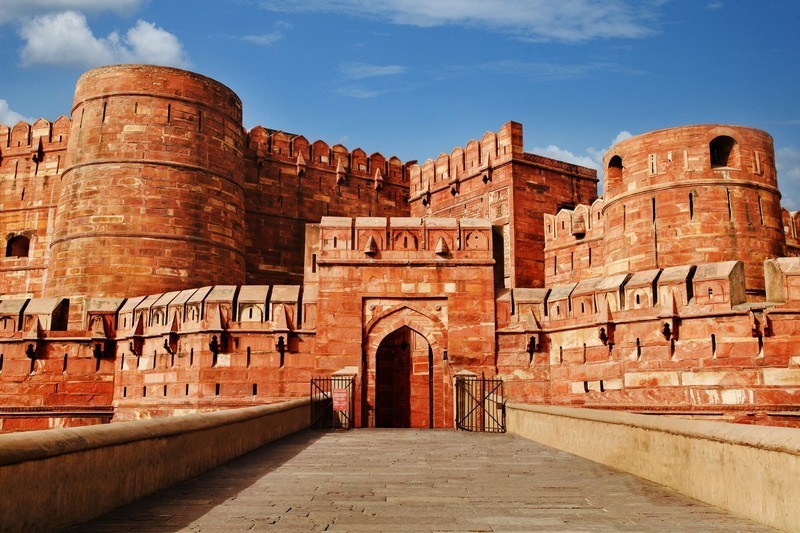
One of the most enduring legacies of Ghiyasuddin Tughlaq is the construction of Tughlaqabad, the third city of Delhi. The city was designed as a massive fortress to project the strength and permanence of the new dynasty.
- Architectural Style: The architecture featured massive, sloping walls (batter) and heavy stone masonry, reflecting the defensive necessities of the time.
- Strategic Location: Situated on a rocky hill, the city was equipped with grand bastions and a deep moat to provide impregnable defense against potential attackers.
- The Mausoleum: The tomb of Ghiyasuddin Tughlaq, located within a man-made lake near the fort, remains an architectural landmark. It is famous for its massive fortifications and its unique placement outside the main city walls.
The Succession Dispute and Legacy
The transition of power to his son, Muhammad bin Tughlaq, remains a subject of intense historical debate. Contemporary chroniclers often alluded to the suspicious circumstances surrounding the collapse of the pavilion at Afghanpur, which resulted in the Sultan’s death.
- Administrative Stability: Ghiyasuddin Tughlaq provided a short but necessary period of stability after the chaotic transition from the Khalji era.
- Precursor to Imperial Expansion: His military successes in the Deccan provided the platform for the expansive policies implemented by his successor, Muhammad bin Tughlaq.
- Historical Evaluation: Historians view Ghiyasuddin Tughlaq as a pragmatist who combined the military discipline of a frontier commander with the cautious fiscal policies of a state administrator. His efforts in land revenue reform and infrastructure development established a template that would be further refined during the Tughlaq period.