

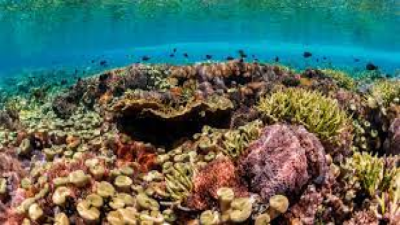
Coral reefs are among the most diverse and valuable ecosystems on Earth, supporting an incredible array of marine life. These underwater structures, composed primarily of calcium carbonate secreted by coral polyps, are often referred to as “rainforests of the sea” due to their high biodiversity. However, coral reefs are facing unprecedented challenges, including climate change, pollution, overfishing, and habitat destruction.
Importance of Coral Reefs
Coral reefs are vital for marine biodiversity and play a crucial role in coastal protection, fisheries, and tourism.
- Biodiversity Hotspots: Despite covering less than 1% of the ocean floor, coral reefs support over 25% of marine species, including fish, crustaceans, mollusks, and various other marine organisms. They are essential nurseries for many marine species, providing a safe environment for their early life stages.
- Coastal Protection: Coral reefs act as natural barriers, protecting coastlines from erosion, storm surges, and tsunamis. They reduce the impact of waves on shorelines and prevent damage to coastal communities during severe weather events.
- Fisheries and Food Security: Many coastal communities depend on coral reefs for their livelihoods through fishing and aquaculture. Reefs provide a significant source of income and protein to millions of people worldwide.
- Tourism: Coral reefs attract millions of tourists each year for snorkeling, diving, and other recreational activities, contributing significantly to local economies.
Coral Reef Bleaching
One of the most alarming observations regarding coral reefs is the phenomenon known as coral bleaching.
- Understanding Coral Bleaching: Coral bleaching occurs when coral polyps expel the symbiotic algae living in their tissues (zooxanthellae) due to environmental stress, such as increased sea temperatures. These algae provide corals with essential nutrients and their vibrant colors. When they are expelled, corals turn white or pale, hence the term “bleaching.”
- Impact of Climate Change: Rising sea temperatures due to climate change are the primary cause of coral bleaching events. When the water remains too warm for an extended period, corals become stressed and expel their zooxanthellae, leading to their decline and potential death.
- Global Bleaching Events: Mass bleaching events have become more frequent and severe over the past few decades. These events can devastate entire coral reef ecosystems, leading to the loss of biodiversity and compromising the services reefs provide.
Ocean Acidification
Ocean acidification is another critical observation affecting coral reefs.
- Carbon Dioxide Absorption: Oceans absorb a significant portion of the excess carbon dioxide (CO2) released into the atmosphere by human activities. This absorption helps mitigate the impacts of climate change on land but leads to a concerning side effect for marine life.
- Acidification Effects: Increased CO2 levels in seawater cause the water to become more acidic. This acidity hampers the ability of corals and other marine organisms, such as mollusks and plankton, to build their calcium carbonate shells and skeletons.
- Coral Growth Impairment: Ocean acidification slows down coral growth and weakens their skeletal structures, making them more vulnerable to physical damage and other stressors.
Coral Reef Conservation Efforts
Given the crucial role of coral reefs and their rapid decline, numerous conservation efforts are underway worldwide.
- Marine Protected Areas (MPAs): Establishing MPAs can help protect vulnerable coral reef ecosystems from destructive activities such as overfishing, habitat destruction, and pollution.
- Coral Reef Restoration: Efforts are being made to restore damaged coral reefs by transplanting corals, using coral nurseries, and promoting natural recovery processes.
- Climate Change Mitigation: Reducing greenhouse gas emissions is vital to curbing the impacts of climate change, including coral bleaching and ocean acidification. Global agreements and national policies play a crucial role in this regard.
- Sustainable Fishing Practices: Implementing sustainable fishing practices can help preserve fish populations and ensure the health of coral reef ecosystems.
The following table presents key data on coral reefs
| Observation | Data |
| Decline of Coral Reefs Worldwide | Over 50% of coral reefs have disappeared globally. |
| Mass Bleaching Events | 75% of the world’s coral reefs have experienced |
| bleaching events in the last 20 years. | |
| Economic Value of Coral Reefs | Coral reefs contribute $375 billion annually to |
| the global economy through tourism, fishing, and | |
| coastal protection services. | |
| Threat to Marine Biodiversity | Over 25% of all marine species rely on coral reefs |
| for survival, directly or indirectly. |
Coral reefs are invaluable ecosystems that deserve urgent attention and conservation efforts. Understanding the observations of coral bleaching, ocean acidification, and the importance of these ecosystems is crucial for developing effective strategies to safeguard their future.
Last Modified: February 22, 2024