
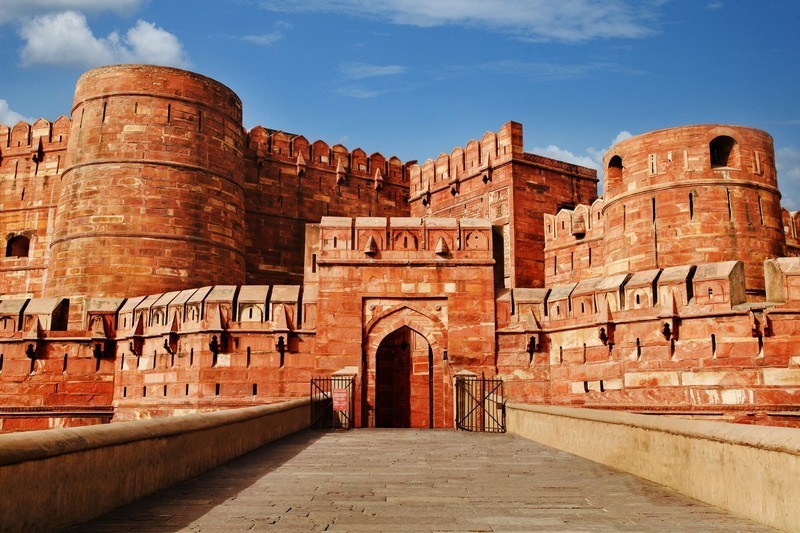
Firoz Shah Tughlaq (1351–1388 AD) implemented a rigid interpretation of Islamic law during his reign, which significantly influenced his taxation policies regarding non-Muslim subjects. Central to this approach was the formal imposition of Jizya as a separate tax, which marked a notable departure from the administrative practices of his predecessors in the Delhi Sultanate.
Context and Implementation of Jizya
Jizya was a per-capita tax traditionally levied on non-Muslim subjects (Dhimmis) in Islamic states in exchange for military protection and exemption from military service.
- Under Firoz Shah Tughlaq, Jizya was categorized as one of the four main taxes sanctioned by his interpretation of the Sharia, alongside Kharaj (land tax), Khums (war booty), and Zakat (religious tax on Muslims).
- The Sultan made a significant administrative change by including Brahmins within the ambit of Jizya. Historically, in the Delhi Sultanate, Brahmins had been exempted from paying this tax.
- Firoz Shah insisted that the Brahmins, like other non-Muslims, were subject to the tax. When the Brahmin population protested, the Sultan reportedly remained firm, leading to a situation where the common people of Delhi eventually paid the tax on their behalf to ensure the Brahmins were spared.
Administrative Classification of Jizya
Firoz Shah Tughlaq categorized Jizya into three distinct grades based on the economic status of the taxpayers to ensure systematic collection.
- Grade I: The wealthiest individuals, including merchants and high-income earners, were required to pay 40 silver tankas.
- Grade II: The middle-income group was required to pay 20 silver tankas.
- Grade III: The poorest segment of the non-Muslim population was required to pay 10 silver tankas.
Socio-Political Objectives
The re-classification and rigorous enforcement of Jizya served both fiscal and ideological purposes within the Tughlaq administration.
- Orthodox Alignment: The policy was driven by the Sultan’s desire to align his governance with the advice of the Ulema (religious scholars) and to secure their support, which had been previously eroded during the reign of Muhammad bin Tughlaq.
- State Revenue: By streamlining the collection of Jizya and removing previous exemptions, the state aimed to create a predictable and steady stream of income for the royal treasury.
- Religious Identity: The imposition of the tax served as an assertion of the Sultanate’s character as an Islamic state, distinguishing the status of Muslim and non-Muslim subjects through formal fiscal mechanisms.
Comparison with Previous Tughlaq Policies
The imposition of Jizya under Firoz Shah Tughlaq represents a distinct shift in the state’s relationship with its non-Muslim subjects compared to the preceding period.
- Secular Precedent: Muhammad bin Tughlaq had adopted a more inclusive approach, actively engaging with Hindu yogis and Jain saints and maintaining a relatively secular administrative stance.
- Firoz Shah’s Orthodoxy: Firoz Shah systematically reversed this trend by elevating the role of orthodox religious authorities in the state, making Jizya a focal point of his administrative and religious policy.
- Administrative Consistency: Unlike the often erratic and experimental nature of Muhammad bin Tughlaq’s revenue reforms, the Jizya collection under Firoz Shah was formalized, standardized, and strictly enforced throughout the empire.
Historical Significance
The Jizya policy of Firoz Shah Tughlaq is frequently cited by historians as a primary example of his orthodox religious conservatism.
- While Firoz Shah is often praised for his public welfare works—such as the construction of hospitals (Dar-ul-Shifa) and charitable departments (Diwan-i-Khairat)—his tax policies remained rooted in a exclusionary framework.
- The policy regarding Brahmins remains one of the most debated aspects of his reign, as it highlights the Sultan’s prioritization of religious orthodoxy over established social hierarchies of the time.
- This administrative stance solidified the Sultan’s image as a “pious” ruler among the contemporary religious elite but also created long-term friction between the state and the diverse socio-religious groups of the Delhi Sultanate.