
The Lodi dynasty (1451–1526 AD) introduced a distinct political framework in the Delhi Sultanate, marking a transition from the centralized, autocratic Turkish model to a decentralized, tribal Afghan polity. This system was rooted in Afghan cultural traditions where the Sultan was not an absolute monarch but rather a leader among equals.
Principles of the Afghan Tribal Polity
The Lodi Sultans operated under a framework that prioritized the collective interest of the Afghan nobility over the singular authority of the crown.
- Concept of Masnad-i-Ali: Bahlul Lodi, the founder, explicitly promoted the idea of being the “first among equals.” He avoided the trappings of royalty, such as sitting on a raised throne, to maintain social and political parity with his fellow Afghan chiefs.
- Distribution of Iqtas: The empire was administered through a widespread system of land grants (Iqtas). Tribal leaders were granted autonomy within their respective territories in exchange for military support and tribute.
- Consultative Governance: Strategic decisions, including military campaigns and administrative policies, were often debated and decided in consultation with the council of tribal nobles.
- Lack of Hereditary Centralization: Unlike the Turkish Sultans who tried to replace local elites with royal appointees, the Lodis relied heavily on the existing Afghan tribal hierarchy, which made the Sultanate’s stability contingent on the satisfaction of these chiefs.
Structural Evolution Under Sikandar Lodi
Sikandar Lodi (1489–1517 AD) attempted to bridge the gap between tribal democracy and imperial centralization without entirely abandoning the Afghan model.
- Administrative Standardization: He introduced the Gaj-i-Sikandari (39 digits) to standardize land measurements, creating a more objective basis for revenue collection. This reduced the arbitrary influence of local tribal chiefs in financial matters.
- Surveillance and Intelligence: He established an effective espionage system to keep a check on the activities of the nobility, ensuring that tribal leaders remained loyal to the crown.
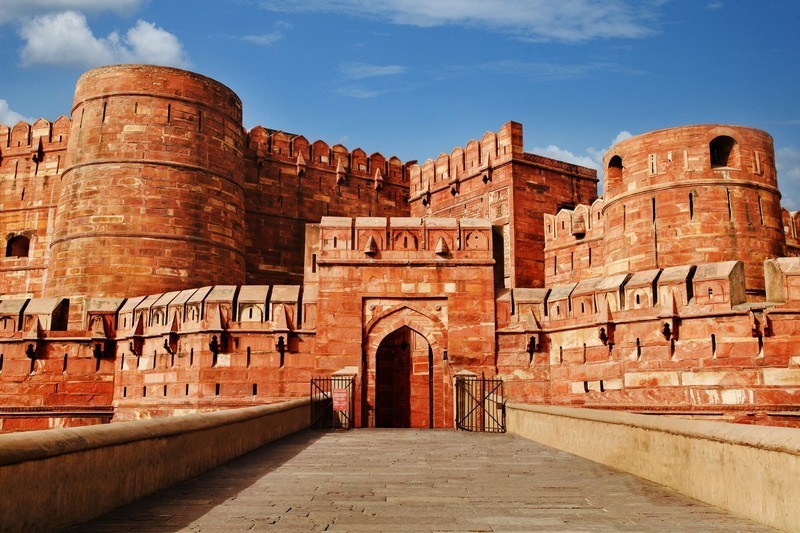
- Urban Centralization: By shifting the capital to Agra in 1504 AD, he sought to escape the traditional influence of the Delhi-based nobility and establish a more direct line of administrative control over the rebellious Doab and Rajput territories.
The Conflict: Centralization vs. Tribalism Under Ibrahim Lodi
The collapse of the Lodi dynasty under Ibrahim Lodi (1517–1526 AD) was fundamentally a failure to reconcile imperial ambitions with the entrenched Afghan tribal polity.
- Shift to Autocracy: Ibrahim Lodi attempted to transition the state toward an absolute monarchy. He viewed the Afghan nobles as servants rather than partners, which directly challenged the Masnad-i-Ali tradition.
- Alienation of Nobility: His confrontational style alienated powerful Afghan chiefs, including his own governor of Punjab, Daulat Khan Lodi, and his uncle, Alam Khan Lodi.
- Erosion of Loyalty: The Afghan nobles, accustomed to the consultative model of Bahlul and Sikandar, found Ibrahim’s demands for total obedience intolerable, leading to widespread internal rebellions that paralyzed the state’s defense.
Comparative Governance: Turkish vs. Afghan Models
| Feature | Turkish Sultanate (e.g., Tughlaq/Khalji) | Lodi Afghan Polity |
| Sovereignty | Absolute, centralized, autocracy. | Tribal, consultative, “first among equals.” |
| Nobility Status | Servants/Slaves of the Sultan. | Tribal partners/Equals to the Sultan. |
| Power Base | Standing army paid by the state. | Feudal levies from Afghan tribal chiefs. |
| Administration | Bureaucratic and rigid control. | Decentralized with extensive Iqta grants. |
Reasons for the Decline of Afghan Polity
- Tribal Factionalism: The Afghan system lacked a mechanism for smooth succession and central discipline, leaving the Sultanate vulnerable to internal power struggles between rival clans.
- Economic Decentralization: The Iqta-based system allowed tribal leaders to retain significant portions of revenue, weakening the central treasury’s ability to maintain a professional standing army.
- Incompatibility with Imperial Needs: The Afghan model was designed for tribal cohesion in mountainous terrains, not for the governance of a sprawling and diverse Indian empire.
- External Vulnerability: The internal division caused by the Sultan’s attempt to impose autocracy meant that when Babur invaded in 1526, the Afghan nobles were too fractured to mount a unified resistance.
Historical Trivia and Facts
- Bahlul Lodi was of the Sahu Khel clan, which provided the ruling lineage for all three Lodi Sultans.
- The Lodi dynasty was the only Afghan dynasty to rule the Delhi Sultanate before the establishment of the Suri dynasty.
- The reliance on Afghan military commanders was so absolute that the army was often described as a collection of tribal factions rather than a unified imperial force.
- The shift to Agra by Sikandar Lodi was the first time a Sultanate capital was moved specifically to consolidate military control over the rebellious Afghan-held eastern and western territories.