
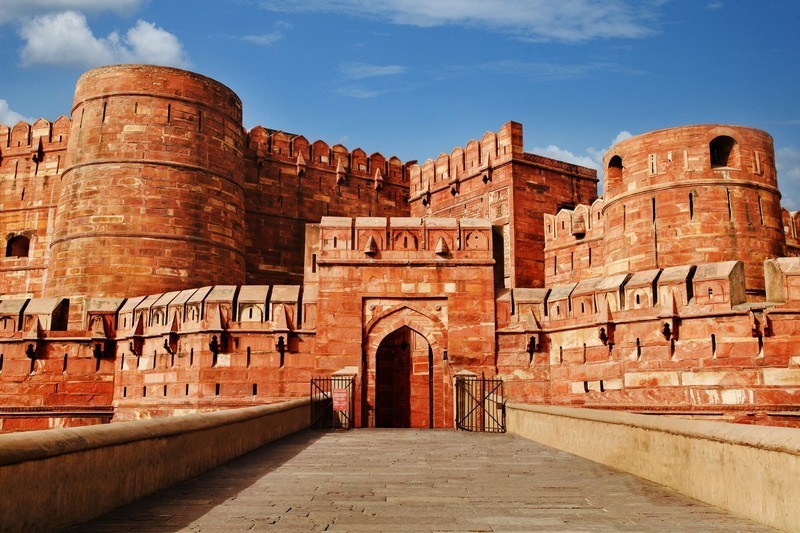
Bahlul Lodi, the founder of the Lodi dynasty, was a prominent Afghan noble of the Sahu Khel clan of the Lodi tribe. His rise to power marked the beginning of the first Afghan dynasty in the Delhi Sultanate. He ascended the throne in 1451 AD after the last Sayyid ruler, Ala-ud-din Alam Shah, voluntarily abdicated the throne in his favor.
Policy of Tribal Equality and Governance
Bahlul Lodi’s approach to kingship differed significantly from the autocratic Turkish Sultans who preceded him. He operated on the principles of Afghan tribal democracy, prioritizing the consensus of his fellow nobles.
- First Among Equals: Bahlul Lodi famously refused to sit on the throne in the presence of his Afghan nobles. He preferred to sit on a carpet, regarding himself as the Masnad-i-Ali (first among equals) rather than an absolute monarch.
- Decentralized Power: He distributed various Iqtas (land grants) among his Afghan tribal leaders to secure their loyalty. While this strengthened his immediate power base, it also fostered a decentralized administration that empowered local tribal chiefs.
- Pragmatic Leadership: He relied heavily on the support of Afghan military commanders, which provided him with a loyal and battle-hardened military base, crucial for stabilizing a fractured Sultanate.
Military Achievements and Territorial Expansion
When Bahlul Lodi took power, the Delhi Sultanate was reduced to a small region around the capital. His primary objective was to restore the lost prestige and territory of the Sultanate.
- Annexation of Jaunpur: The Sharqi Sultanate of Jaunpur had been a persistent rival and threat to the Delhi Sultanate. Bahlul Lodi engaged in a protracted struggle against the Sharqi rulers, eventually annexing Jaunpur in 1484 AD after a long series of military campaigns.
- Consolidation of the Doab: He successfully suppressed regional uprisings and brought the fertile Doab region under firmer control, which was vital for the state’s revenue.
- Strategic Diplomacy: He maintained a balanced relationship with the local chieftains and regional power centers to keep the borders of the Sultanate secure during his consolidation efforts.
Administrative and Economic Profile
- Economic Stabilization: Bahlul Lodi’s focus on military consolidation limited his ability to implement sweeping administrative reforms. However, his successful annexation of prosperous territories like Jaunpur provided a necessary boost to the royal treasury.
- Bahluli Coinage: He introduced the Bahluli copper coin, which remained a popular medium of exchange in the markets of northern India for a long period, even continuing into the era of the Suri dynasty.
- Tribal Military Structure: The military was composed largely of Afghan tribal levies, which allowed the Sultan to maintain a significant fighting force without the heavy bureaucratic costs of a state-paid standing army.
Key Facts and Historical Significance
- Founder of the first Afghan dynasty in the Delhi Sultanate.
- Reign extended from 1451 to 1489 AD (38 years), the longest among the Lodi rulers.
- Successfully defeated the Sharqi Sultanate of Jaunpur, ending a decades-long rivalry.
- His governance model of shared power with Afghan nobles set the tone for the political dynamics of the Lodi period.
- Bahlul Lodi died in 1489 AD while returning from a campaign in Gwalior and was succeeded by his son, Sikandar Lodi.
Summary Table: Bahlul Lodi’s Reign
| Aspect | Description |
| Tenure | 1451–1489 AD |
| Dynasty | Lodi (First Afghan Dynasty) |
| Political Stature | Masnad-i-Ali (First among equals) |
| Major Victory | Annexation of Jaunpur (1484 AD) |
| Currency Contribution | Introduced the Bahluli copper coin |
| Capital | Delhi |
Historical Assessment
Historians view Bahlul Lodi as a shrewd and pragmatic ruler. He inherited a near-bankrupt and politically irrelevant Sultanate and succeeded in transforming it back into a credible regional power. While his tribal model of governance ensured the support of his Afghan kinsmen, it also created a precedent for decentralization that would later challenge his successors, particularly Ibrahim Lodi, in their efforts to centralize authority. His reign serves as a vital bridge between the instability of the late Sayyid period and the administrative centralization achieved by his son, Sikandar Lodi.
Last Modified: June 20, 2026