
The transition from the Sayyid to the Lodi dynasty marked a fundamental shift in the political culture of the Delhi Sultanate. The Lodi rulers (1451–1526 AD) introduced a distinct Afghan tribal ethos, which stood in stark contrast to the centralized, autocratic traditions of their Turkish predecessors. This nobility operated not as subordinates of the crown, but as autonomous stakeholders in the imperial project.
Characteristics of Afghan Tribal Polity
The Lodi political structure was rooted in the Afghan tradition of tribal equality, which significantly influenced the relationship between the Sultan and his nobles.
- Concept of Masnad-i-Ali: Bahlul Lodi, the founder of the dynasty, famously adopted the title of Masnad-i-Ali, meaning “first among equals.” He refused to sit on the throne, choosing to sit on a carpet amidst his nobles to emphasize shared authority.
- Decentralized Power: Unlike the Turkish Sultans who centralized power through royal appointees, the Lodis delegated significant regional authority to their tribal leaders through the Iqta system.
- Tribal Consultation: Critical state decisions were rarely made by the Sultan alone. Instead, they were discussed within councils composed of powerful Afghan tribal chiefs, reinforcing the consultative nature of the polity.
The Role of Afghan Nobles in the Sultanate
The Afghan nobility served as the primary pillar of the Lodi state, functioning as both local administrators and military commanders.
- Military Contribution: The Sultanate’s military strength was derived from the feudal levies provided by Afghan chiefs. Each noble was responsible for maintaining a contingent of soldiers from his assigned Iqta.
- Administrative Autonomy: Nobles enjoyed a high degree of autonomy in managing their assigned territories, which included revenue collection and the maintenance of local order.
- Economic Influence: The widespread distribution of Iqtas meant that a substantial portion of the state’s agrarian revenue remained within the control of the tribal nobility rather than the central treasury.
Sikandar Lodi and the Assertion of Central Control
Sikandar Lodi (1489–1517 AD) recognized the limitations of a purely consultative tribal model and attempted to introduce measures that increased central oversight.
- Revenue Standardization: He introduced the Gaj-i-Sikandari for land measurement, which created a uniform basis for taxation, reducing the ability of tribal nobles to arbitrarily adjust revenue demands at the local level.
- Surveillance Mechanisms: Sikandar established a sophisticated intelligence network to monitor the activities of the nobility, preventing the formation of cliques that could threaten the Sultan.
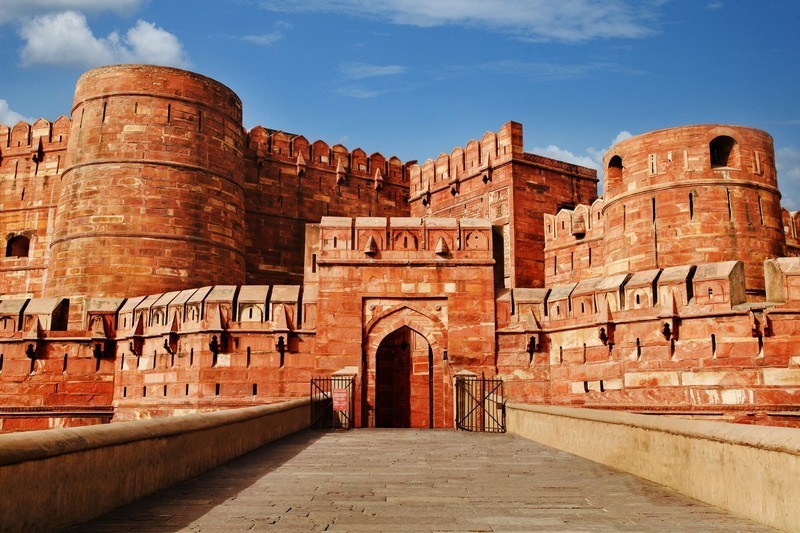
- Capital Shift: The relocation of the capital to Agra in 1504 AD was a strategic maneuver designed to escape the influence of the traditional Delhi-based nobility and exert more direct control over the rebellious Doab and Rajput territories.
Crisis of Authority under Ibrahim Lodi
The collapse of the Lodi dynasty was driven by Ibrahim Lodi’s (1517–1526 AD) failure to navigate the complex dynamics of the Afghan nobility.
- Shift to Autocracy: Ibrahim Lodi rejected the traditional consultative model and demanded total submission from his nobles. He famously stated that a King has no kinship, treating the tribal chiefs as mere servants.
- Alienation of Factions: His autocratic behavior alienated high-ranking nobles, including his own kin, such as Daulat Khan Lodi (Governor of Punjab) and Alam Khan Lodi (his uncle).
- Internal Disintegration: The noble-Sultan conflict led to widespread defections and regional rebellions. The tribal leaders, feeling their traditional status insulted, either withdrew their military support or actively conspired to invite external invaders like Babur.
Comparative Governance Structures
| Aspect | Turkish/Tughlaq Model | Afghan/Lodi Model |
| Sovereignty | Absolute autocracy. | Tribal democracy/Consultative. |
| Status of Nobles | Servants of the Sultan. | Partners/Equals to the Sultan. |
| Power Basis | Centralized bureaucracy. | Decentralized tribal fiefdoms (Iqtas). |
| Military | State-paid standing army. | Feudal levies from tribal chiefs. |
Factors in the Decline of the Sultanate
The Afghan tribal nobility played a dual role in both the rise and fall of the Lodi Sultanate.
- Lack of Unified Command: The tribal loyalty to individual clan heads often superseded loyalty to the Sultan, preventing the formation of a unified military front against external threats.
- Economic Decentralization: The Iqta system favored the nobility at the expense of the central treasury, leaving the Sultanate unable to fund modern, professional military requirements.
- Political Factionalism: The absence of a clear, non-negotiable succession rule meant that every change in Sultan was followed by intense power struggles among different Afghan factions.
- Incompatibility with Imperial Needs: The Afghan tribal structure was optimized for decentralized governance in mountainous regions, making it fundamentally unsuited for the administration of a vast, agrarian, and culturally diverse empire.